Édouard Fraisse was a French artist and sculptor born on October 29, 1880, in Paris, France. His artistic journey began at a young age, and he was particularly known for his work in medallic art, a form of small-scale sculpture that has a rich tradition in France. Fraisse studied at the École des Beaux-Arts in Paris, which has been a prestigious institution for training artists in France since the 17th century.
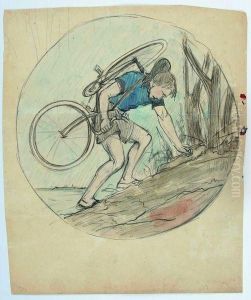
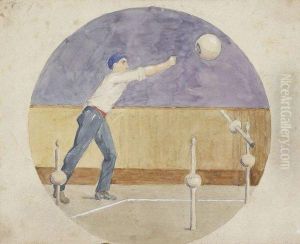
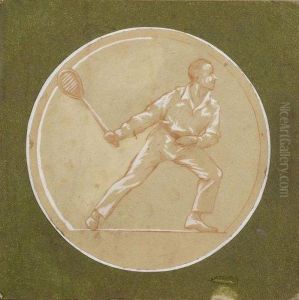
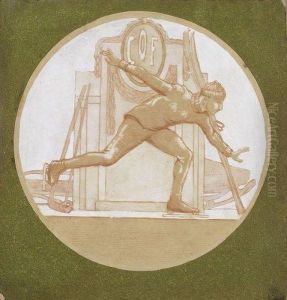
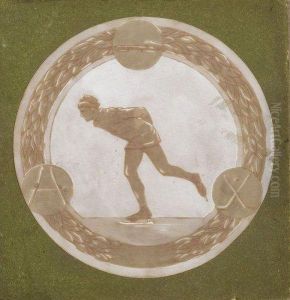
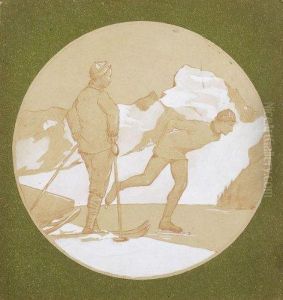
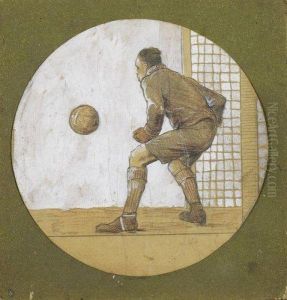
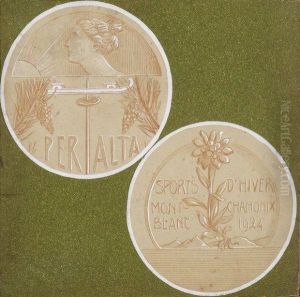
During his career, Fraisse developed a reputation for his skill in creating medals and plaquettes, which are small, often commemorative relief sculptures typically cast in metal. His works often featured allegorical and historical subjects, as well as portraits. In addition to his medallic art, Fraisse also created larger sculptures and architectural decoration, showcasing his versatility as an artist.
Édouard Fraisse's contributions to the arts were recognized during his lifetime, and he received commissions for various public monuments and memorials. He was also involved in the restoration of historical metalwork, an indication of his expertise in working with metal as a medium.
Unfortunately, details about his personal life and the broader context of his work are not widely documented. However, his artistic legacy is preserved through his creations, many of which are likely held in private collections and museums.
Édouard Fraisse passed away in 1945, leaving behind a body of work that continues to be appreciated by those interested in medallic art and French sculpture of the early 20th century. His death marked the end of a career that was aligned with the traditional practices of French art, at a time when the world of art was undergoing significant changes due to the impacts of both World Wars and the advent of modernism.