Stepan Feodorovich Kolesnikov Paintings
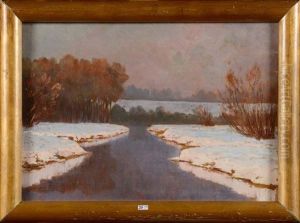
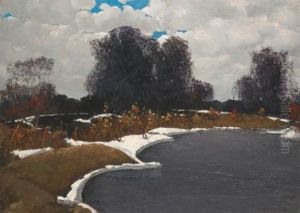
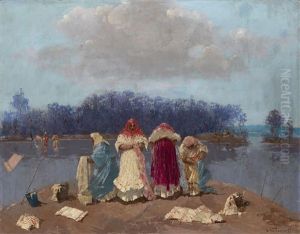
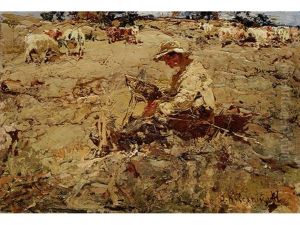
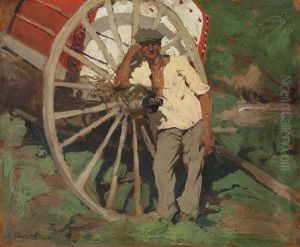
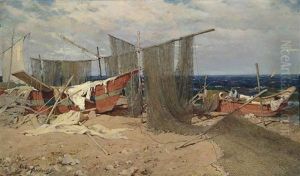
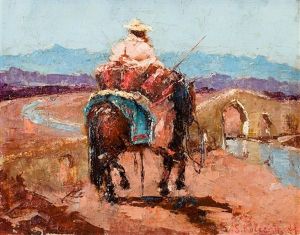
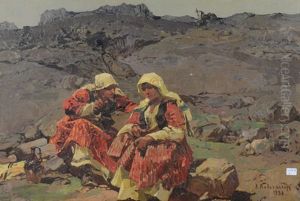
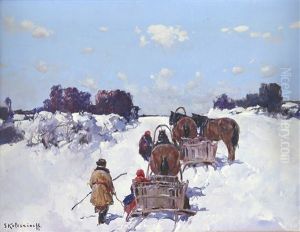
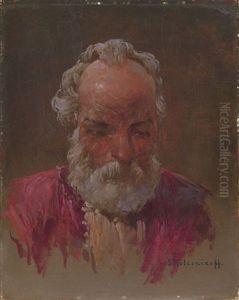
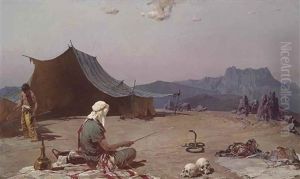
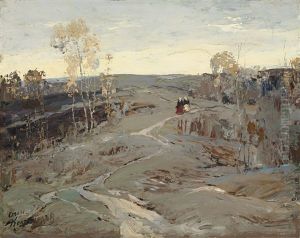
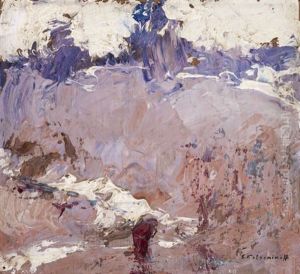
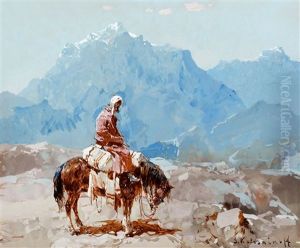
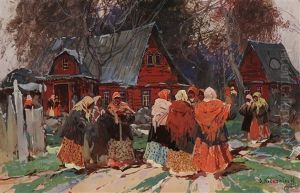
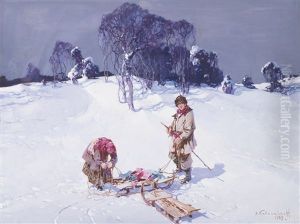
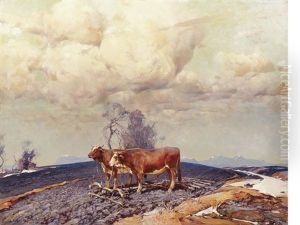
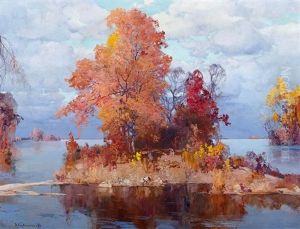
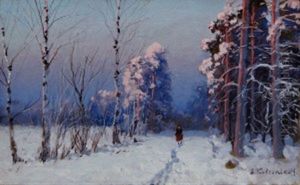
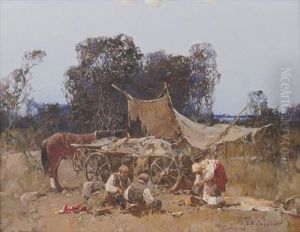
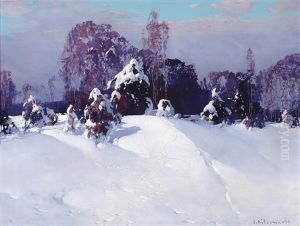
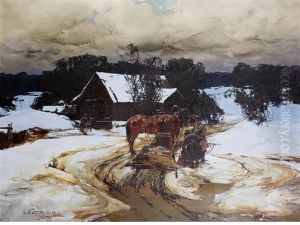
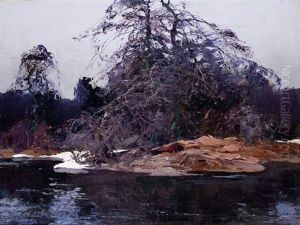
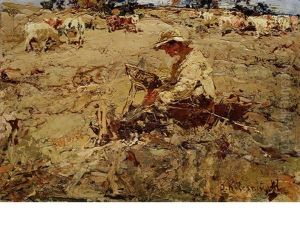
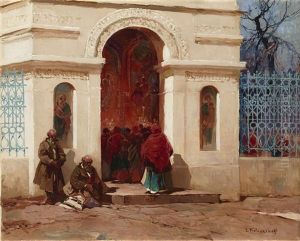
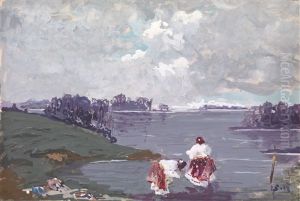
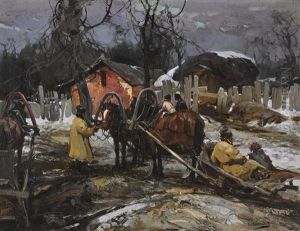
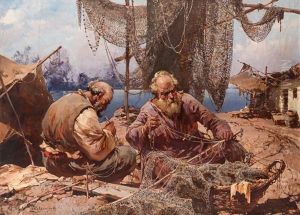
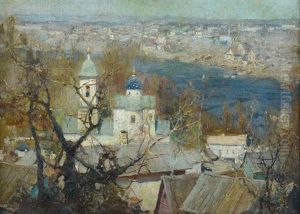
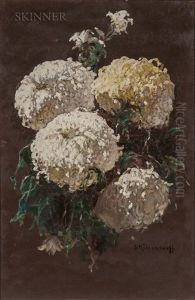
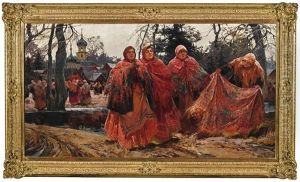
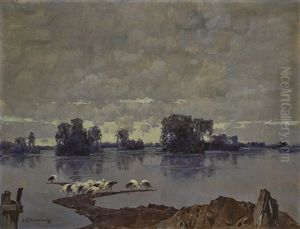
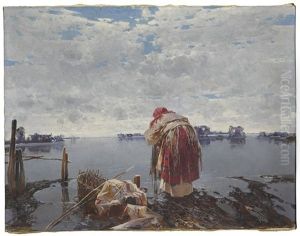
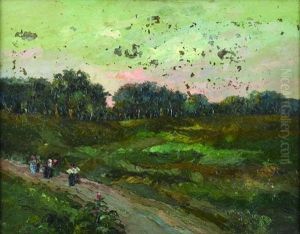
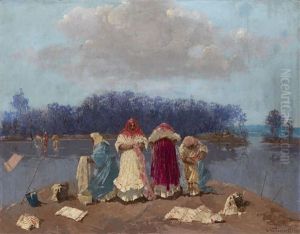
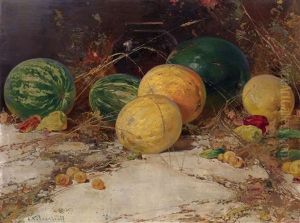
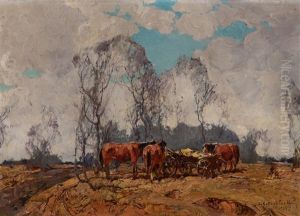
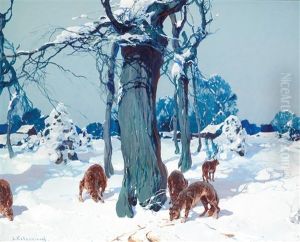
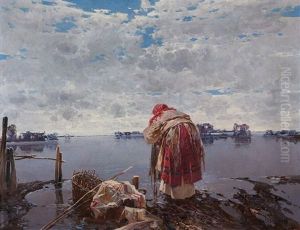
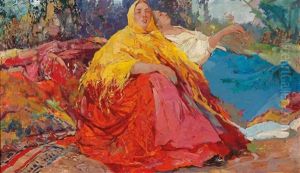
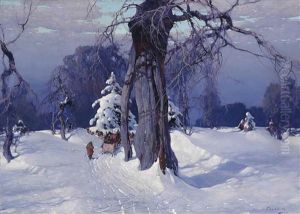
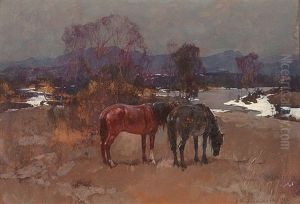
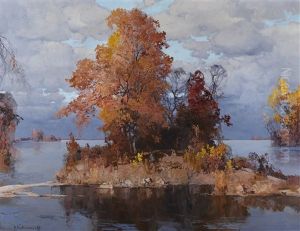
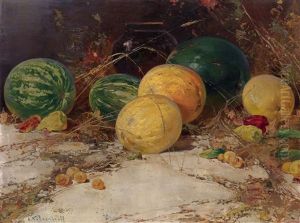
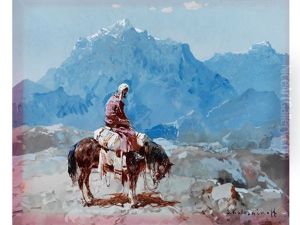
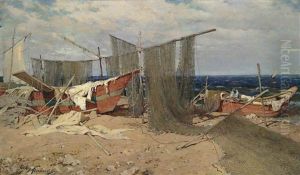
Stepan Feodorovich Kolesnikov was a prominent Russian and later Soviet painter, best known for his impressionist landscapes and vivid portrayal of Russian rural life. Born on August 20, 1879, in the village of Lopatino, near Penza, Russia, Kolesnikov showed artistic talent from a young age. He studied at the Penza Art School from 1896 to 1901, where he developed his skills in drawing and painting. He then continued his education at the Imperial Academy of Arts in Saint Petersburg from 1901 to 1907, where he was a pupil of the renowned artist Filipp Malyavin.
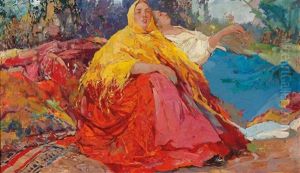
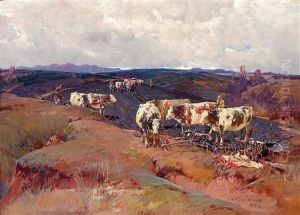
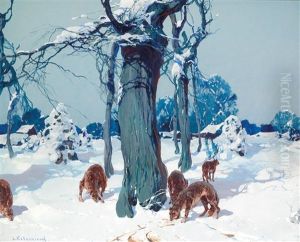
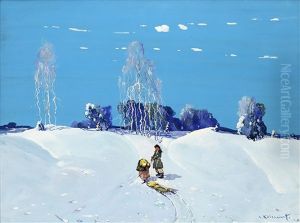
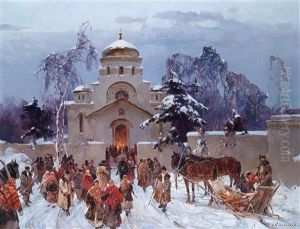
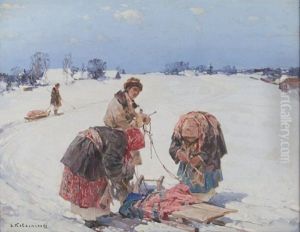
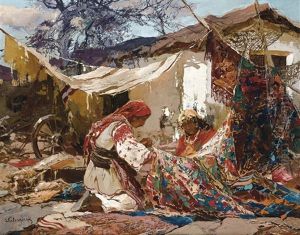
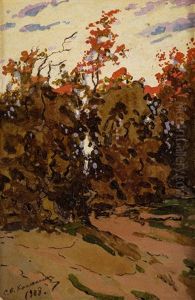
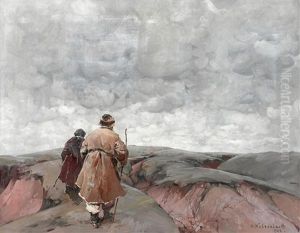
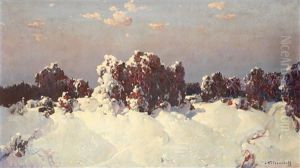
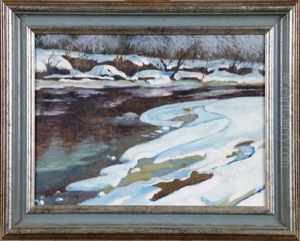
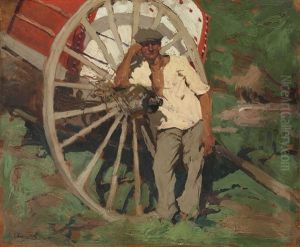
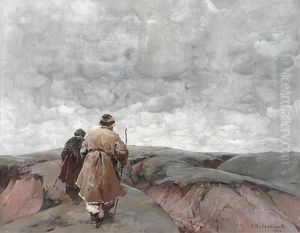
During his early career, Kolesnikov traveled extensively throughout Russia, capturing the beauty of the countryside and the daily life of peasants. His work was characterized by a rich palette, dynamic compositions, and a sense of movement, which was influenced by his interest in the impressionist style. Kolesnikov gained recognition for his artistic achievements and was awarded a gold medal by the Imperial Academy of Arts.
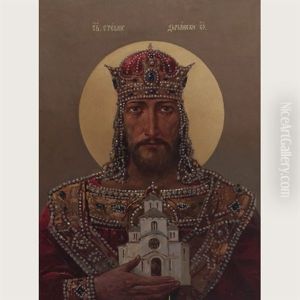
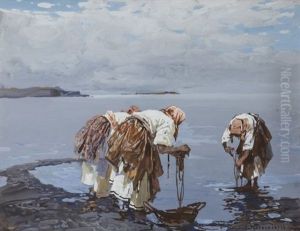
After the Russian Revolution of 1917, Kolesnikov found it increasingly difficult to work within the Soviet system, which demanded adherence to the socialist realism style. In 1920, he emigrated to Serbia, where he continued to paint and exhibit his work. Kolesnikov's Serbian period was marked by a continuation of his earlier themes, as well as the introduction of new subjects, including the landscapes and people of the Balkans.
Kolesnikov's paintings from this period reflect a sense of nostalgia for his homeland and a romanticized view of peasant life. He became a respected figure in the Serbian art community and was a member of the Serbian Royal Academy. Despite the challenges of living in exile, he maintained a prolific output and held numerous exhibitions in Europe.
Stepan Feodorovich Kolesnikov passed away on December 21, 1955, in Herceg Novi, Montenegro. His legacy is preserved in his numerous paintings, many of which are held in private collections and museums in Russia, Serbia, and around the world. Kolesnikov's work remains a testament to his skill as an artist and his love for the Russian landscape and its people.






Copyright 2010 - 2026 by NiceArtGallery.com All rights reserved. - Your Paintings of Choice


