Willi Baumeister Paintings
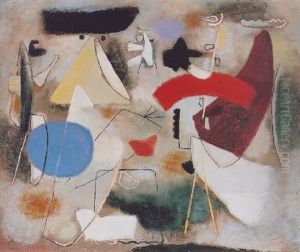
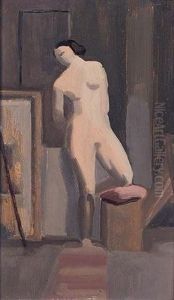
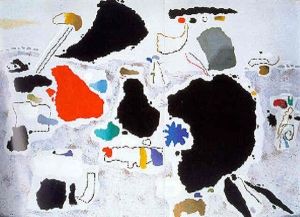
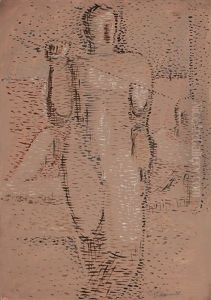
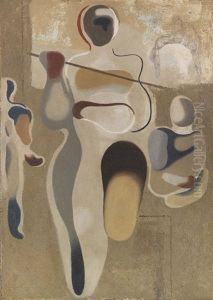
Willi Baumeister was a German painter, scenic designer, art theorist, and typographer, whose work is associated with abstract art and the modernist movement. Born on January 22, 1889, in Stuttgart, Germany, Baumeister embarked on his artistic journey at a young age. He initially apprenticed as a decorative painter before enrolling at the Stuttgart Academy of Fine Arts in 1905, where he studied under the tutelage of Robert Poetzelberger, Friedrich von Keller, and Adolf Hölzel, the latter having a profound influence on his artistic development.
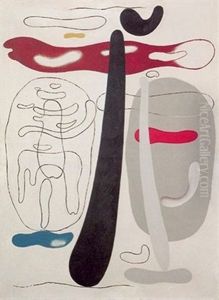
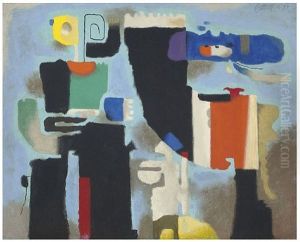
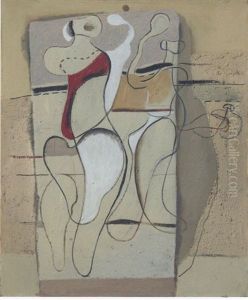
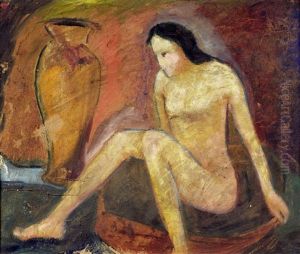
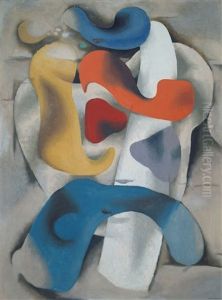
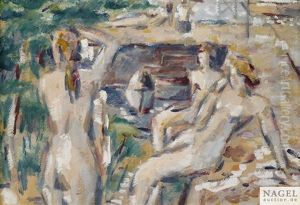
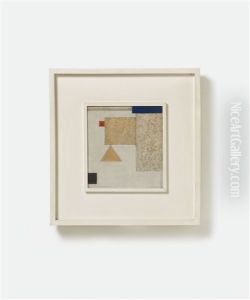
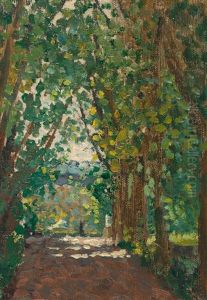
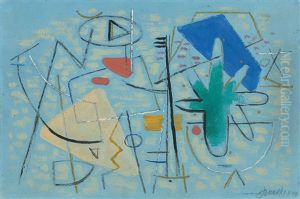
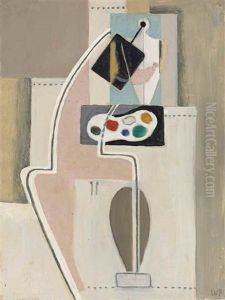
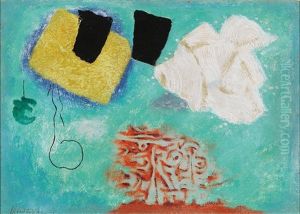
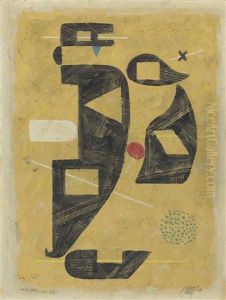
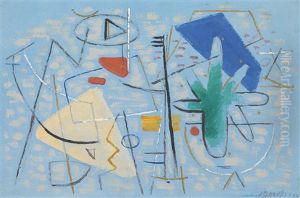
Baumeister's early work was influenced by expressionism and cubism, but as his career progressed, he began experimenting with abstraction and developing his own unique style. During the 1920s, he was actively involved in the avant-garde scene in Germany, co-founding the 'Uecht' group with Oskar Schlemmer and Otto Meyer-Amden. He also became a member of the 'De Stijl' group and developed a close friendship with the constructivist artist Theo van Doesburg. Baumeister's exploration of abstract forms and synthetic materials in his art was reflective of his interest in integrating art with architecture and design.
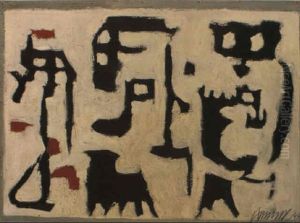
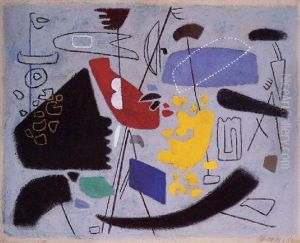
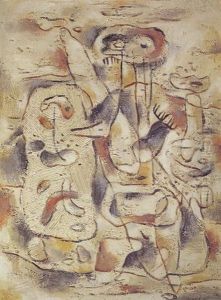
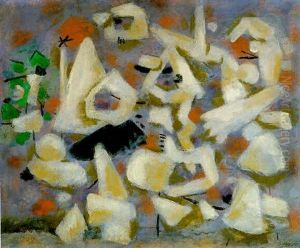
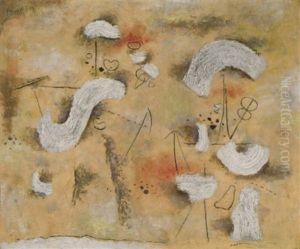
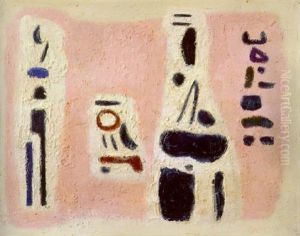
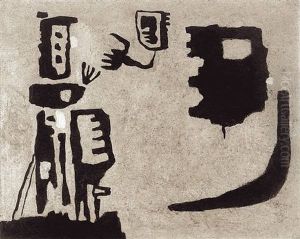
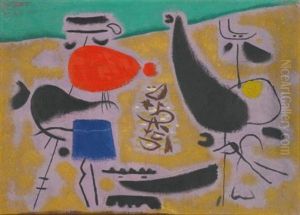
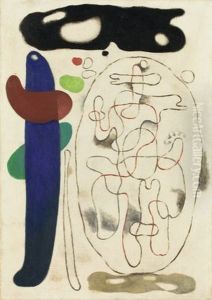
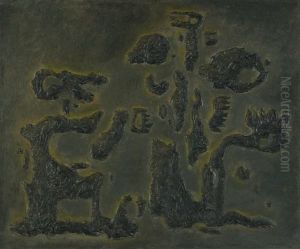
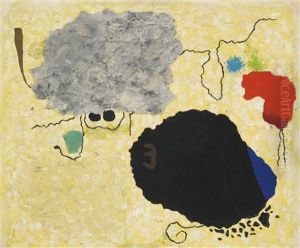
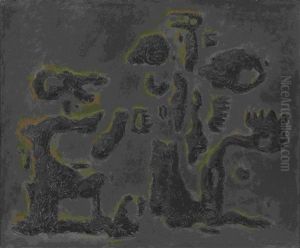
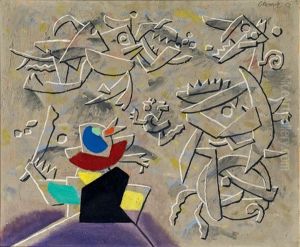
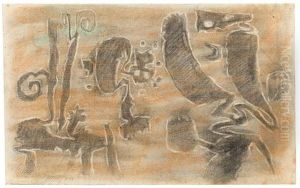
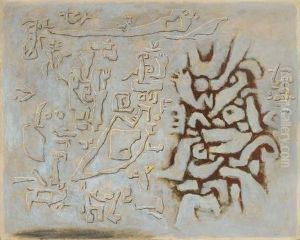
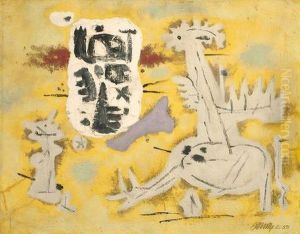
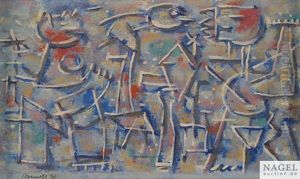
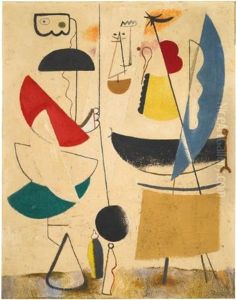
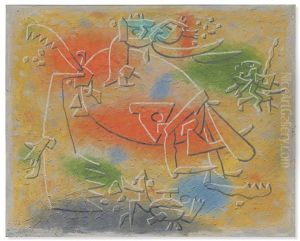
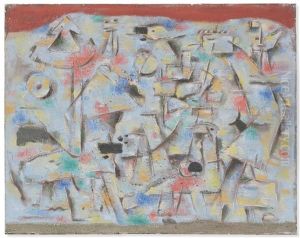
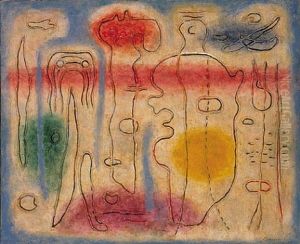
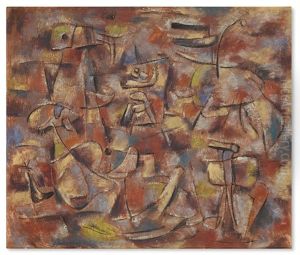
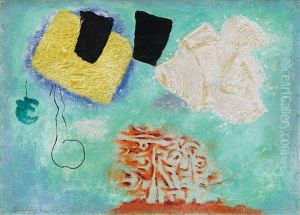
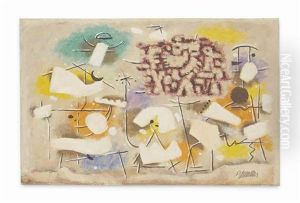
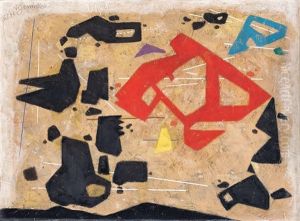
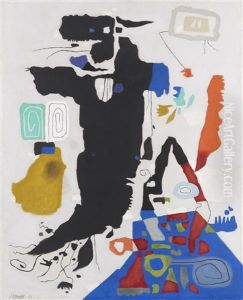
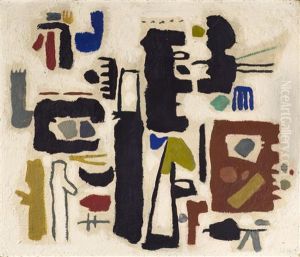
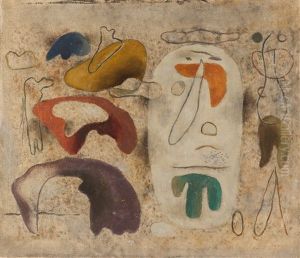
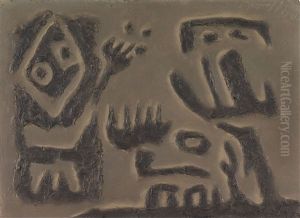
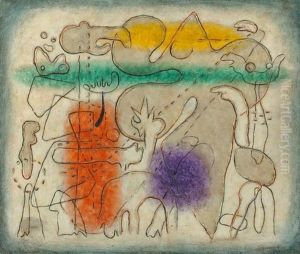
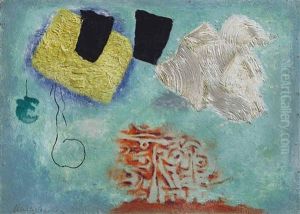
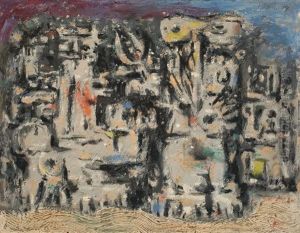
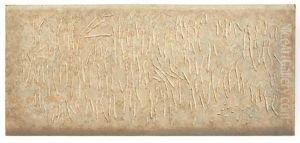
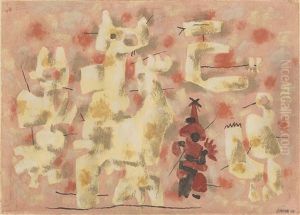
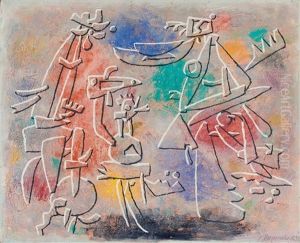
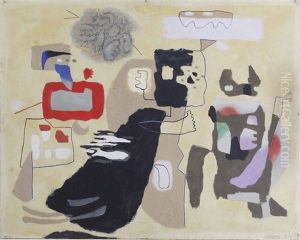
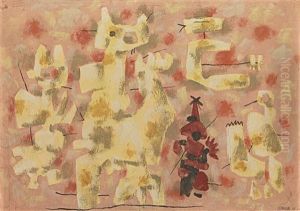
In the 1930s, Baumeister's work was condemned by the Nazi regime as 'degenerate art', and he was prohibited from exhibiting. Despite these challenges, he continued to work in secrecy and developed his 'ideogram' paintings, which featured symbolic, abstract forms intended to convey universal human experiences and emotions.
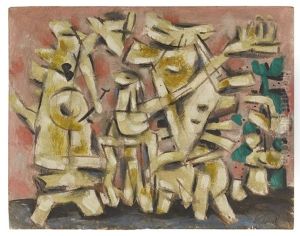
After World War II, Baumeister's career experienced a revival. He became a professor at the State Academy of Fine Arts in Stuttgart and was recognized as an influential figure in the post-war art scene in Germany. His later works explored themes of mythology and ancient cultures, integrating these with his abstract style in a series of paintings that remain highly regarded.
Willi Baumeister died on August 31, 1955, in Stuttgart. His legacy is preserved through his contributions to abstract art, his theoretical writings on painting and design, and his influence on future generations of artists. Baumeister's work has been exhibited in major museums around the world, and he remains a key figure in the study of modernist art.










Copyright 2010 - 2026 by NiceArtGallery.com All rights reserved. - Your Paintings of Choice


