American Landscape Movement Paintings
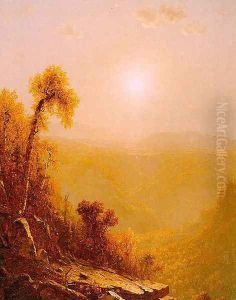
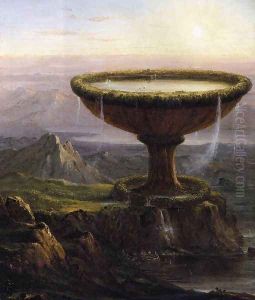
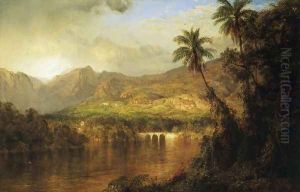
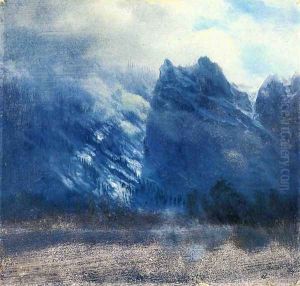
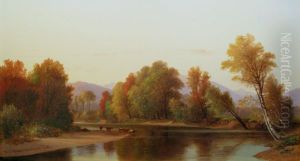
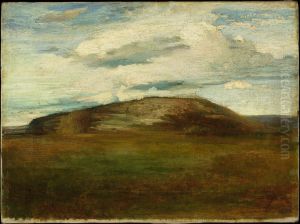
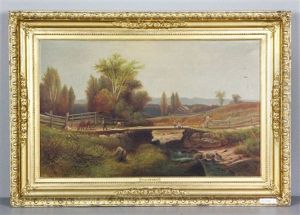
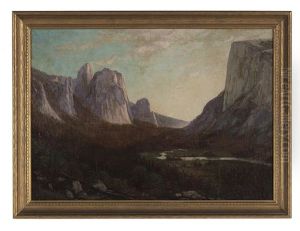
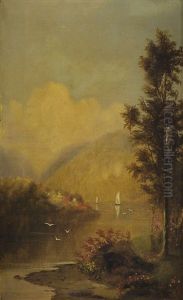
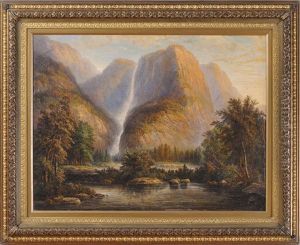
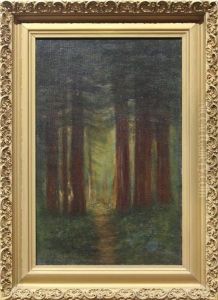
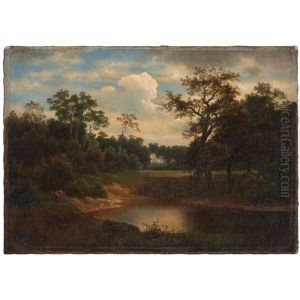
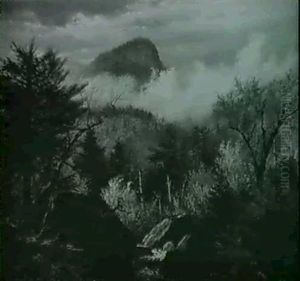
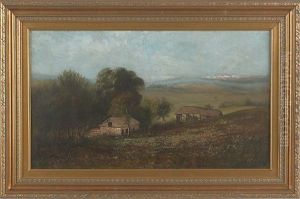
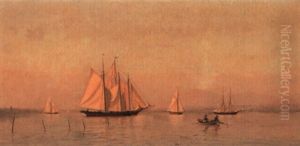
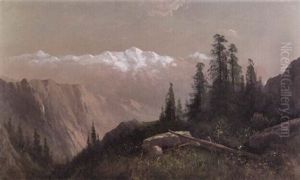
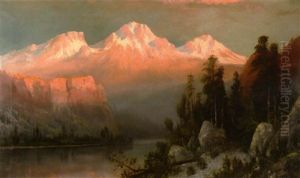
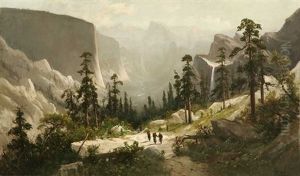
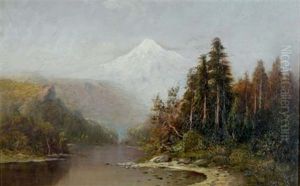
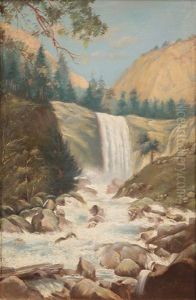
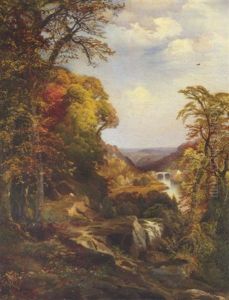
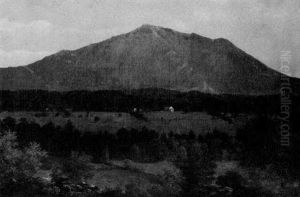
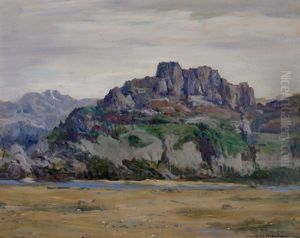
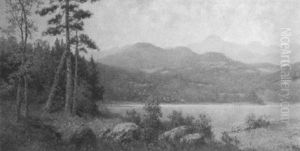
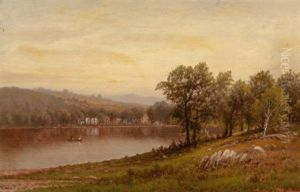
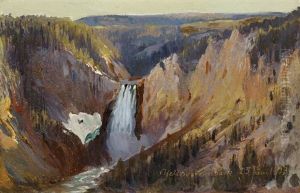
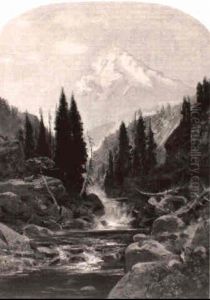
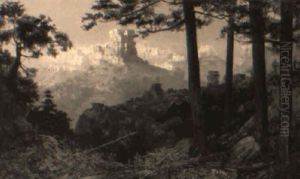
Explore the Timeless Beauty of the American Landscape Movement
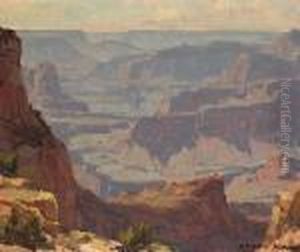
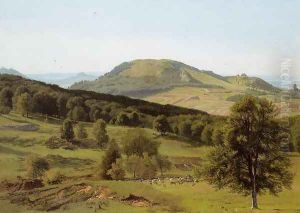
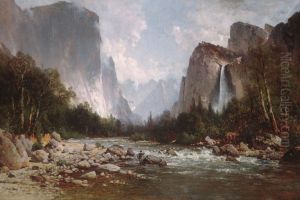
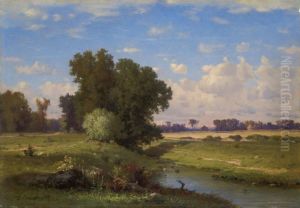
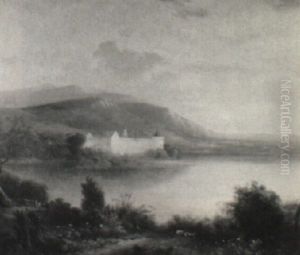
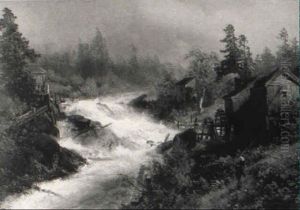
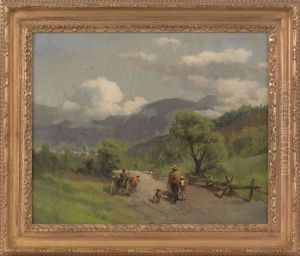
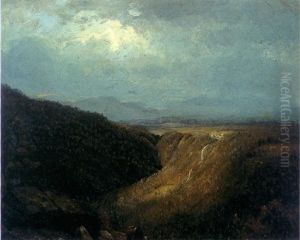
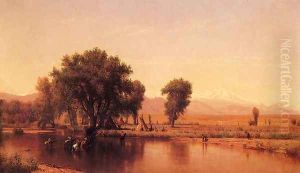
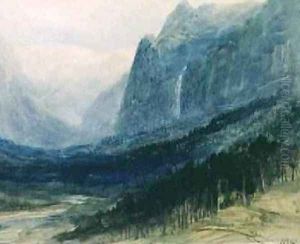
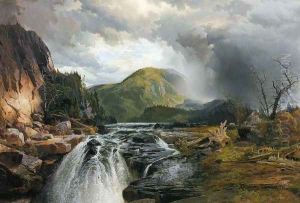
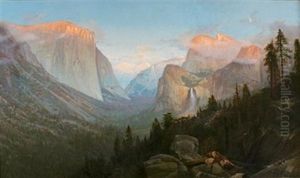
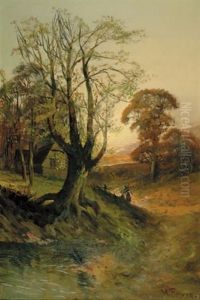
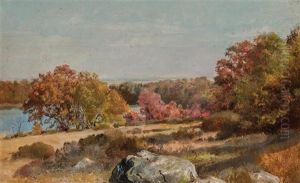
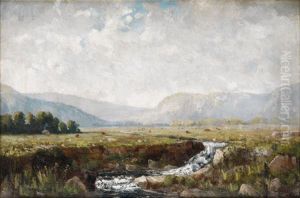
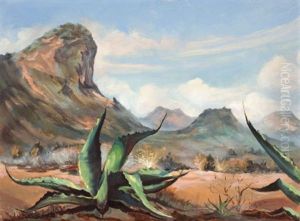
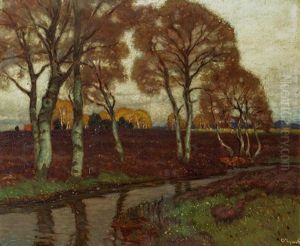
Step into a world where vast wilderness meets artistic grandeur. The American Landscape Movement, a pivotal period in 19th-century American art, celebrated the breathtaking natural beauty of the North American continent. Emerging primarily in the mid-1800s, this movement transcended mere depiction, becoming a profound expression of national identity, spiritual awe, and the unique character of the American frontier.
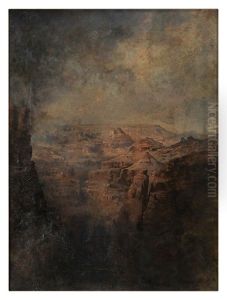
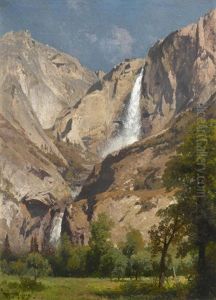
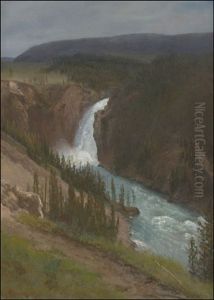
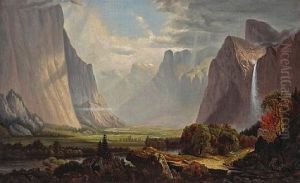
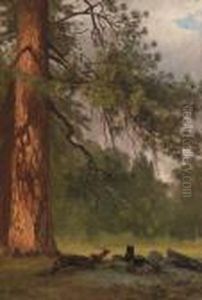
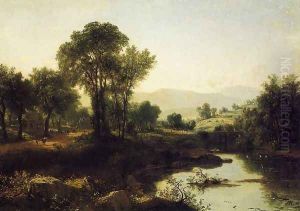
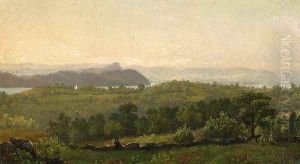
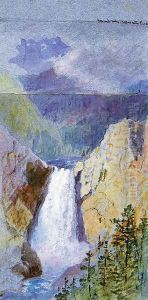
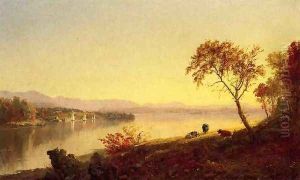
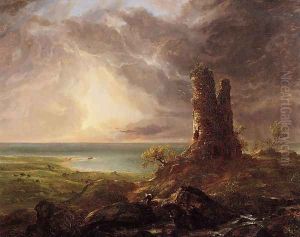
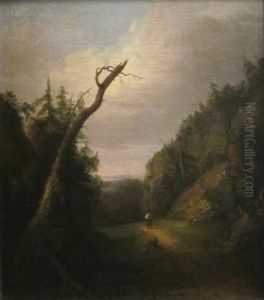
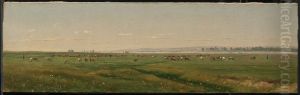
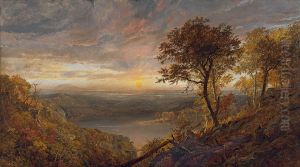
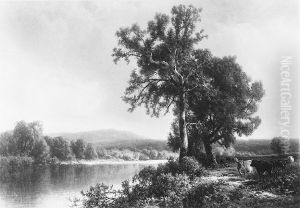
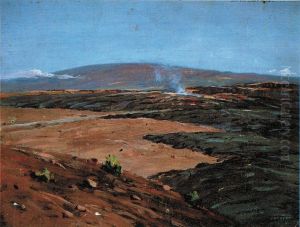
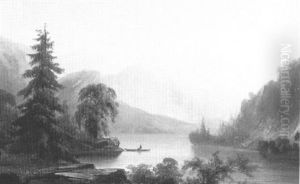
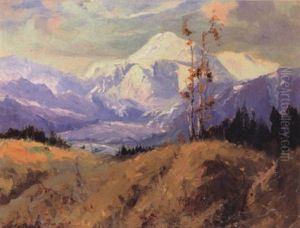
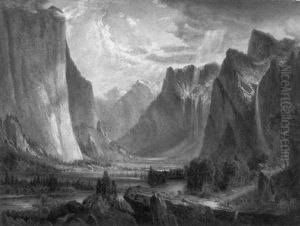
At its heart, the movement was deeply intertwined with the Hudson River School, featuring iconic artists such as Thomas Cole, often considered its founder, Frederic Edwin Church, Albert Bierstadt, Asher B. Durand, and Jasper Cropsey. These masters meticulously captured the sublime majesty of untouched landscapes, from the Catskill Mountains and the Hudson River Valley to the expansive vistas of the American West. Their works often showcased dramatic light, intricate detail, and a sense of awe-inspiring scale, reflecting the era's romantic fascination with nature and the divine presence within it.
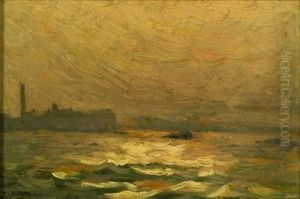
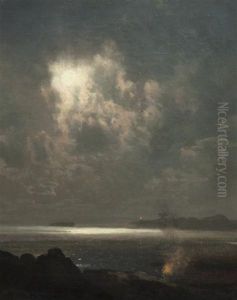
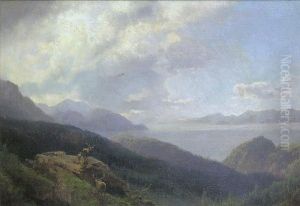
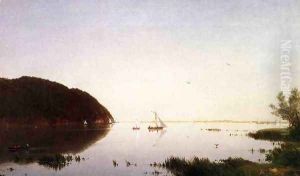
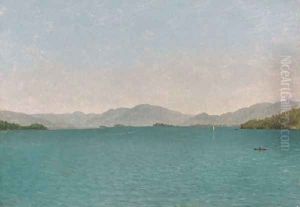
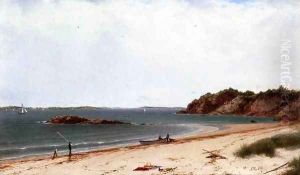
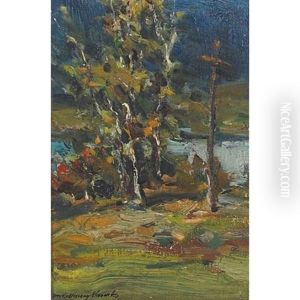
Beyond the Hudson River School, other influential styles like Luminism also contributed to the rich tapestry of the American Landscape Movement. Artists like Fitz Henry Lane and Martin Johnson Heade explored subtle atmospheric effects and tranquil, luminous light, offering a quieter yet equally powerful interpretation of the American scene. Whether through grand panoramas or serene coastal views, these artists collectively forged a distinct visual language that resonated deeply with the American spirit.
For collectors, art enthusiasts, or anyone seeking to bring the profound beauty of classic American art into their space, high-quality reproductions offer an unparalleled opportunity. Each piece faithfully captures the original brushstrokes, vibrant colors, and intricate details that define these historical masterworks. Immerse yourself in the legacy of American landscape painting and discover a piece that speaks to the enduring power and majesty of nature, as envisioned by some of America's most celebrated artists.
Copyright 2010 - 2025 by NiceArtGallery.com All rights reserved. - Your Paintings of Choice


