Artistic Response To Industrialization Paintings



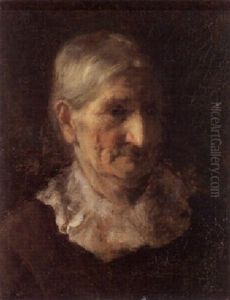
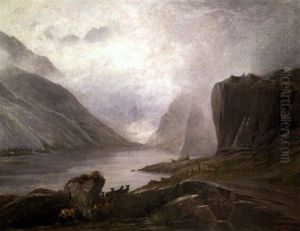
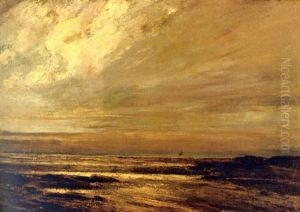




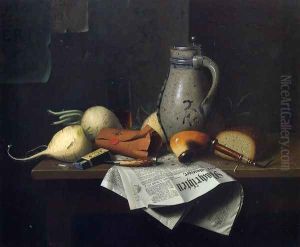
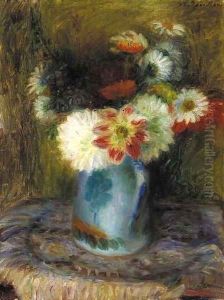
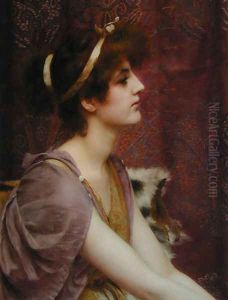
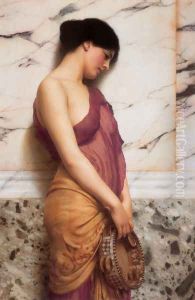
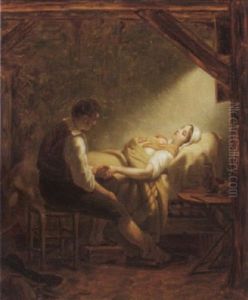
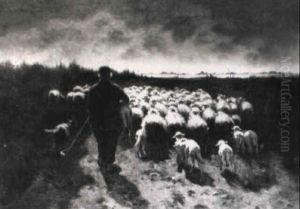
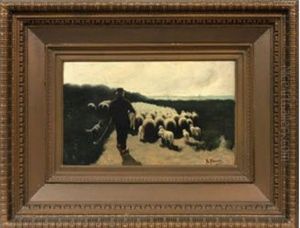
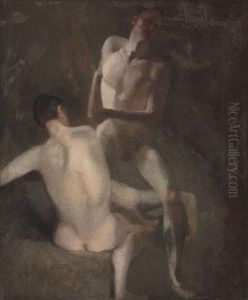
Understanding the Artistic Response to Industrialization
The 19th century brought radical societal change through the Industrial Revolution. Rapid technological advancement, urbanization, and the rise of factory life profoundly reshaped landscapes and human experience. Artists, as keen observers, grappled with these transformations, leading to a complex and varied Artistic Response to Industrialization. This pivotal period saw the emergence of new styles and themes, reflecting both the anxieties and fascinations of a rapidly modernizing world.
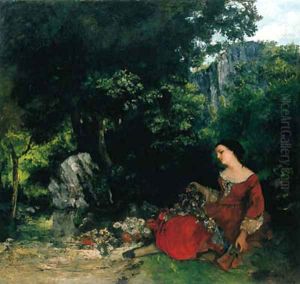
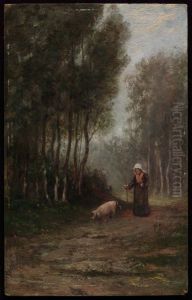
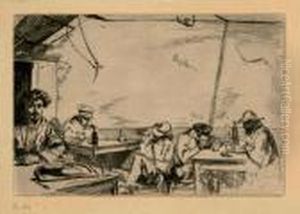
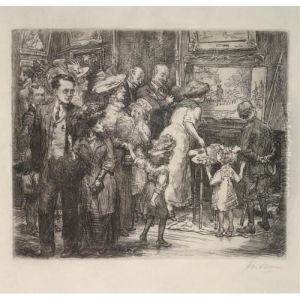
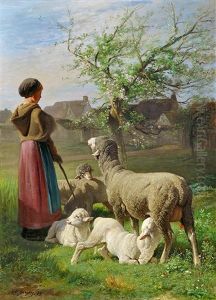
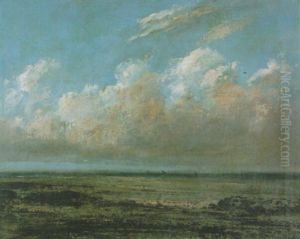
One powerful reaction was seen in Romanticism, where artists like J.M.W. Turner depicted nature's sublime power, often contrasting it with the encroaching machine age. As industrialization intensified, Realism emerged. Artists such as Gustave Courbet and Jean-François Millet directly confronted the social realities of the working class and harsh urban conditions. Their unvarnished portrayals of everyday existence offered powerful social commentary on industrial progress, challenging idealized academic art.
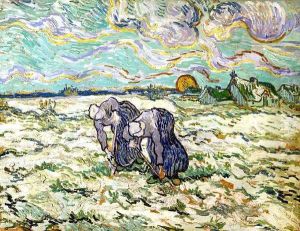
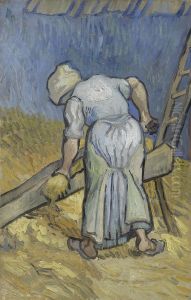
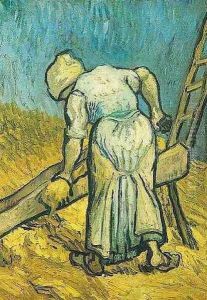
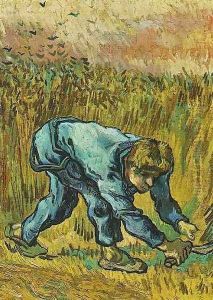
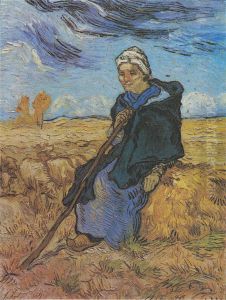
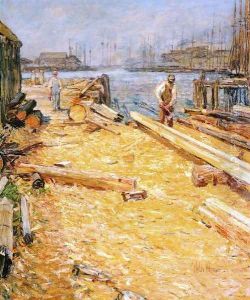
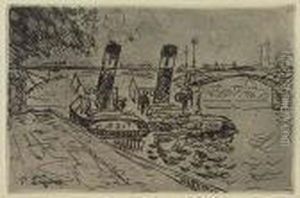
The bustling urban centers, new transport, and changing light also inspired the Impressionists. Artists like Claude Monet and Pierre-Auguste Renoir captured the fleeting moments of modern life, cityscapes, and leisure activities of the emerging middle class. This focus on visual perception marked a significant departure. Following this, Post-Impressionists like Vincent van Gogh and Georges Seurat explored deeper emotional and symbolic content, often reflecting a search for meaning or an escape from the perceived materialism of the industrial age.
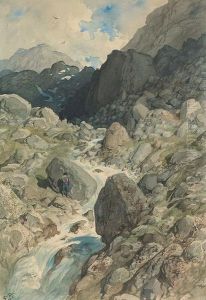
Across these diverse movements, common themes emerged: the tension between nature and industry, social inequality, the celebration of technological marvels, or a nostalgic longing for a simpler past. Artists explored the psychological impact of urbanization and the changing relationship between humanity and its environment. The art from this era serves as a vital historical record, offering unique insights into the cultural and societal shifts of the time.
Exploring the art from this transformative period allows us to understand not just the evolution of artistic styles, but also the profound human experience of modernity. The Artistic Response to Industrialization shaped the trajectory of art history, laying foundations for many 20th-century movements. These classic oil paintings, from powerful landscapes to poignant social commentaries, continue to resonate, offering timeless reflections on progress and the enduring power of creative expression.
Copyright 2010 - 2025 by NiceArtGallery.com All rights reserved. - Your Paintings of Choice


