Consumer Culture Paintings
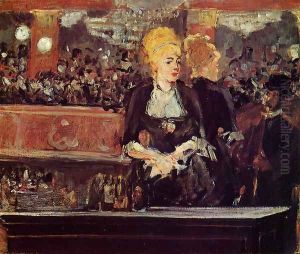
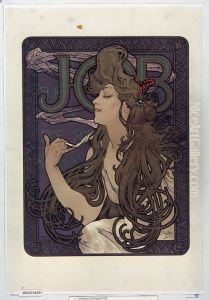
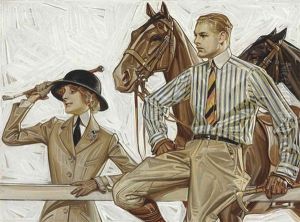
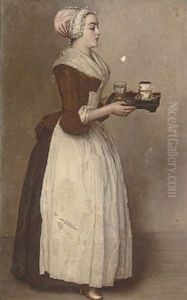
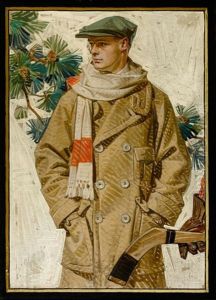
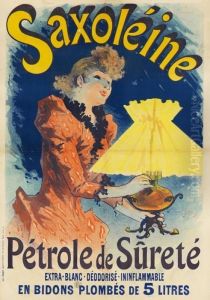
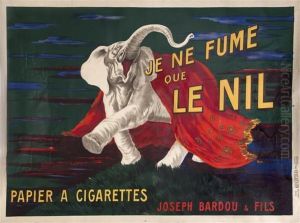


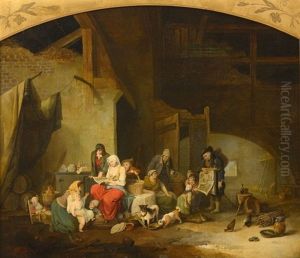
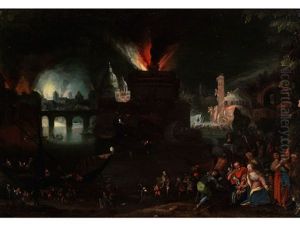
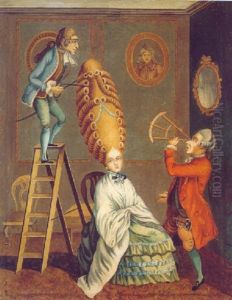
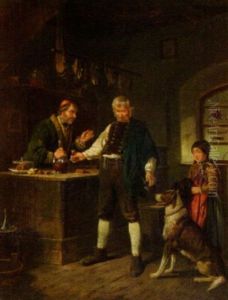
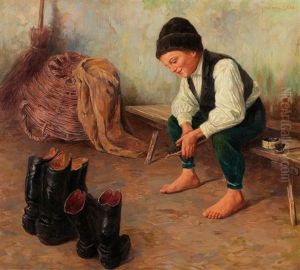
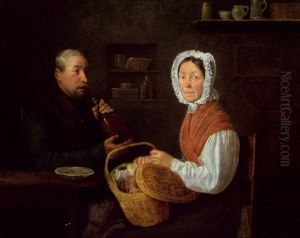

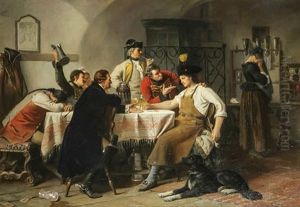



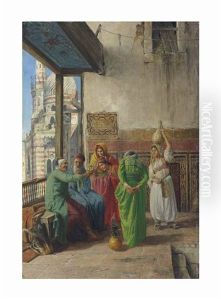
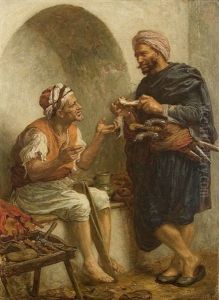

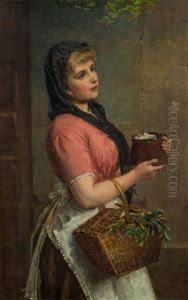
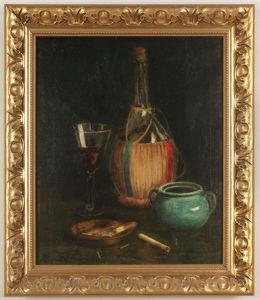
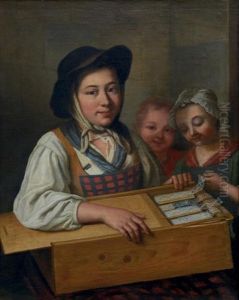
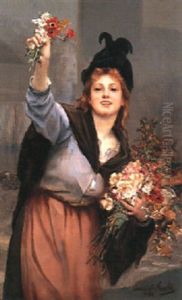

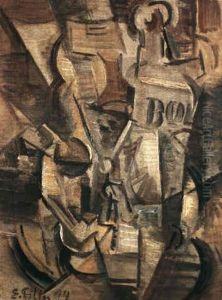




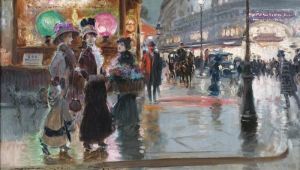

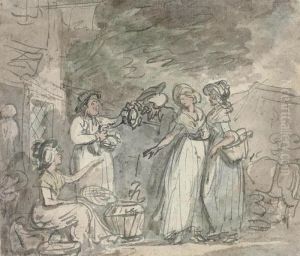

Exploring Consumer Culture Through Masterpiece Reproductions
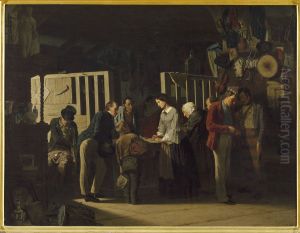
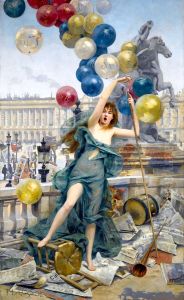
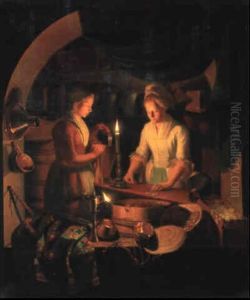
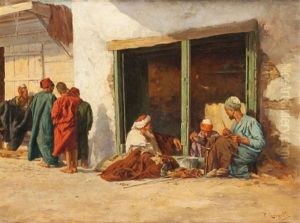
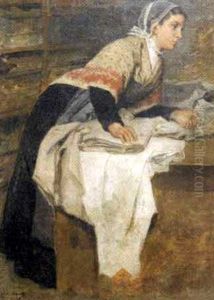
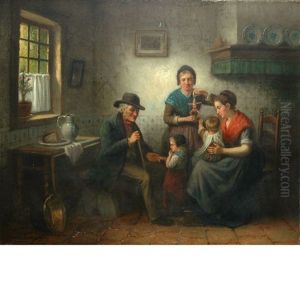
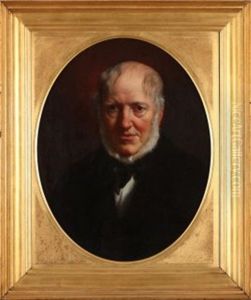
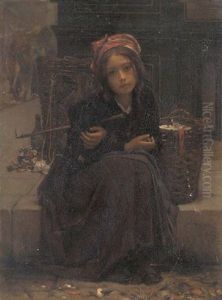
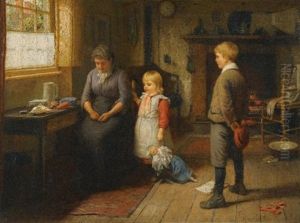
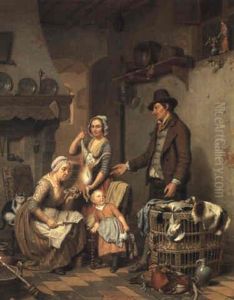
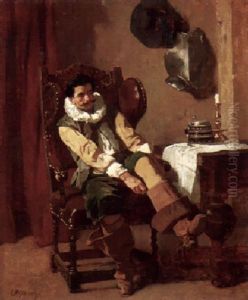
Delve into the fascinating interplay between art and society as we explore the rich tapestry of Consumer Culture depicted in classic oil paintings. From the opulent displays of wealth in aristocratic portraits to the bustling marketplaces of everyday life, art has long served as a mirror reflecting the economic realities and material aspirations of its time. These timeless works offer a unique historical lens, revealing how societal values, economic shifts, and the pursuit of goods have shaped human experience across centuries.
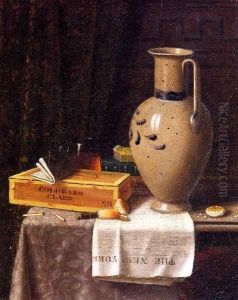
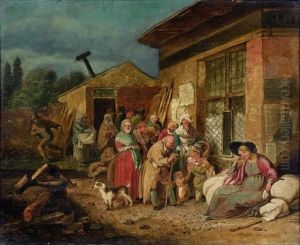
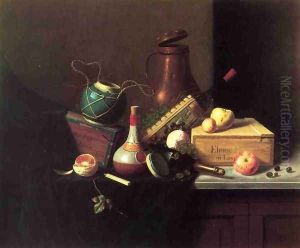
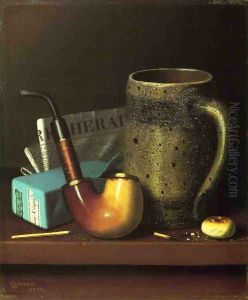
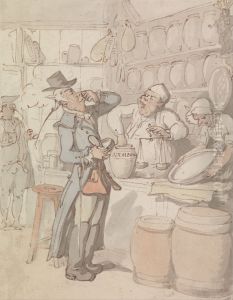
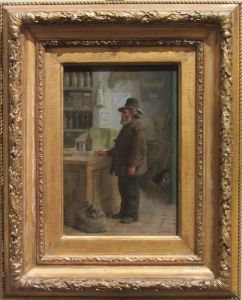
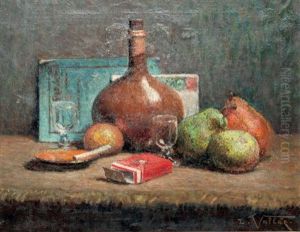
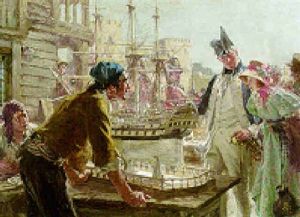
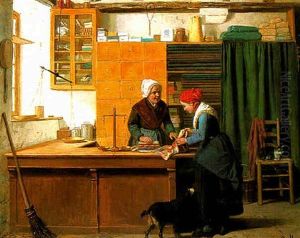
Our curated selection of museum-quality reproductions provides an unparalleled opportunity to examine the evolution of consumer behavior. Observe how artists meticulously rendered luxury items, exotic commodities, and fashionable attire, not merely as decorative elements, but as powerful symbols of social status and affluence. Whether it's a Dutch Golden Age still life brimming with imported spices and fine china, or a Victorian-era genre scene showcasing the emerging retail landscape, these works capture the essence of commercialism and the burgeoning desire for goods. They invite us to consider the artistry involved in depicting the very fabric of historical commerce.
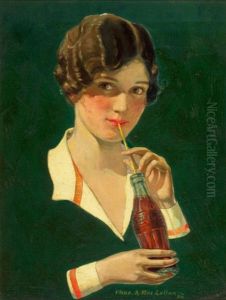
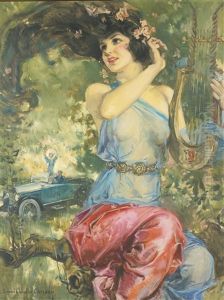
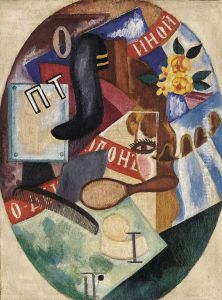
As societies evolved, so too did the manifestations of Consumer Culture. The rise of the middle class, the Industrial Revolution, and the advent of mass production profoundly transformed how goods were produced, distributed, and consumed. Classic oil paintings from these periods often provide subtle yet profound commentary on these changes. They illustrate the shift from patronage-driven art to a more public art market, where art itself became a commodity. By studying these visual records, we gain insight into the changing dynamics of wealth display, advertising, and the developing concept of brand identity long before modern marketing took hold.
Each reproduction in this collection is a testament to the enduring power of art to document and interpret the human condition, including our relationship with material possessions. They serve as invaluable educational tools, allowing enthusiasts and scholars alike to trace the historical threads of Consumer Culture through the masterful brushstrokes of the past. Immerse yourself in these visual narratives and gain a deeper appreciation for how art captures the intricate dance between human desire and economic progress, offering timeless insights into our own contemporary world.
Copyright 2010 - 2025 by NiceArtGallery.com All rights reserved. - Your Paintings of Choice


