Cultural Movements Of The 19th Century Paintings


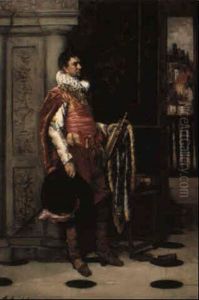
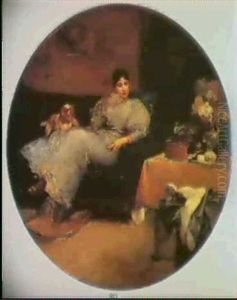
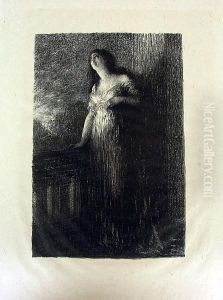
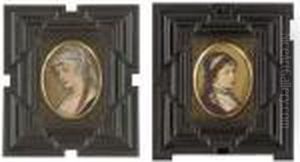
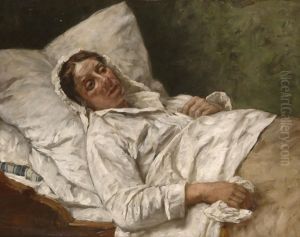
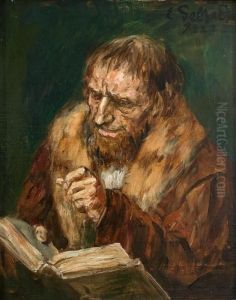
Exploring theCultural Movements of the 19th Centuryin Art
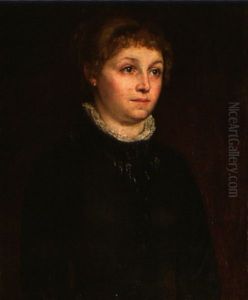
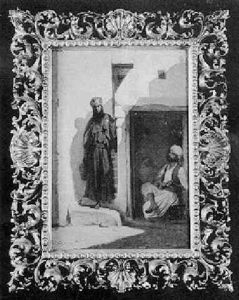
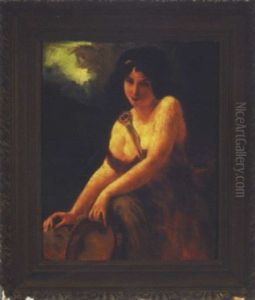
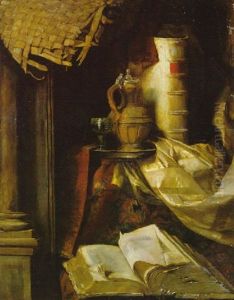
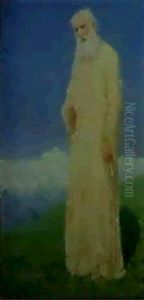
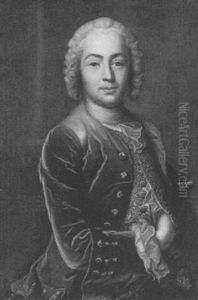
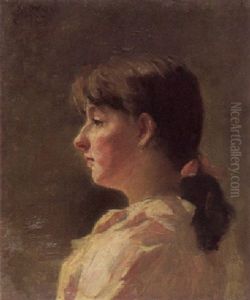
The 19th century was a period of profound transformation, not just socially and technologically, but also artistically. It witnessed an explosion of creativity and a radical departure from established traditions. Understanding the Cultural Movements of the 19th Century is key to appreciating the foundation of modern art. From the dramatic emotionalism of Romanticism to the revolutionary light studies of Impressionism, this era redefined what art could be, reflecting a rapidly changing world.
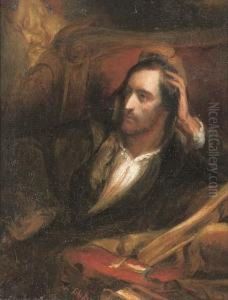
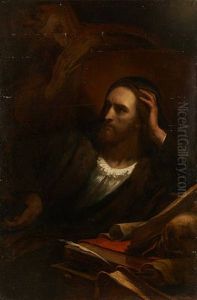
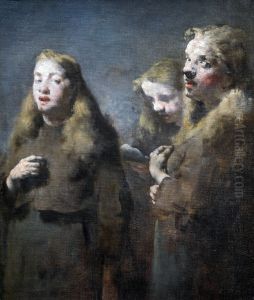
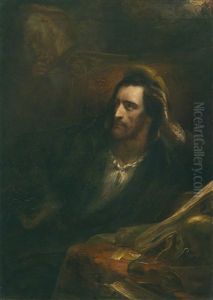
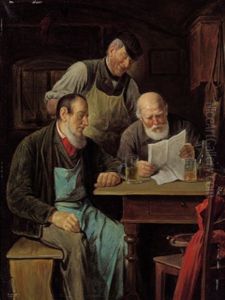
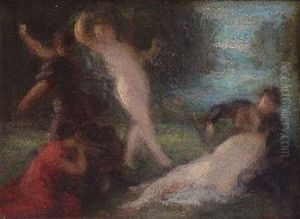
Early in the century, Romanticism emerged, emphasizing emotion, individualism, and the glorification of nature. Artists like Eugène Delacroix and J.M.W. Turner captured dramatic landscapes and historical events with intense feeling, moving away from classical restraint. Following this, the mid-19th century saw the rise of Realism, a direct response to the Industrial Revolution and societal shifts. Artists such as Gustave Courbet and Jean-François Millet focused on depicting ordinary life, working-class people, and unvarnished truths, challenging the idealized subjects of academic art.
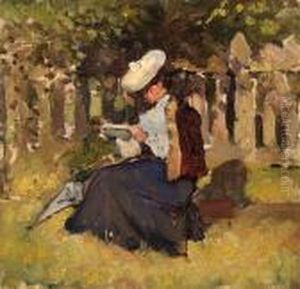
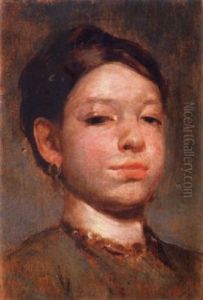
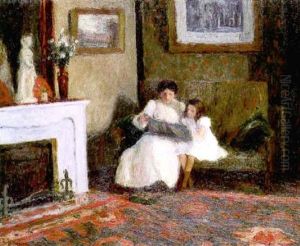
Towards the latter half of the century, Paris became the epicenter of groundbreaking artistic innovation. Impressionism burst onto the scene, with artists like Claude Monet, Pierre-Auguste Renoir, and Edgar Degas focusing on capturing the fleeting effects of light and atmosphere, often painting en plein air. Their innovative brushwork and vibrant palettes revolutionized landscape and genre painting. This paved the way for Post-Impressionism, where artists like Vincent van Gogh, Paul Cézanne, and Paul Gauguin explored individual expression, structural form, and symbolic meaning, pushing the boundaries of color and composition even further.
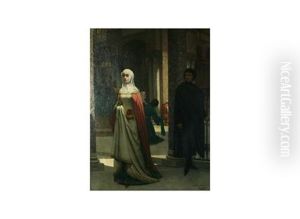
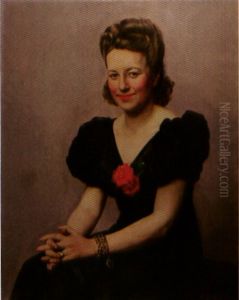
Beyond these dominant styles, other significant movements like the Pre-Raphaelite Brotherhood in England and early forms of Symbolism also contributed to the rich tapestry of 19th-century art. Each movement, with its unique philosophy and visual language, played a crucial role in the transition from traditional art to the diverse expressions of the 20th century. Exploring the Cultural Movements of the 19th Century offers a fascinating journey through art history, revealing how artists responded to their times and shaped the future of painting. We invite you to delve into this extraordinary period and discover the masterpieces that continue to inspire and resonate today.
Copyright 2010 - 2025 by NiceArtGallery.com All rights reserved. - Your Paintings of Choice


