Cultural Shifts In 19th Century Paintings







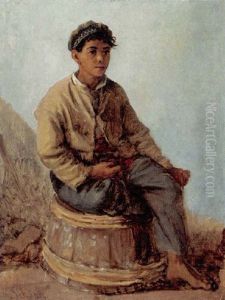
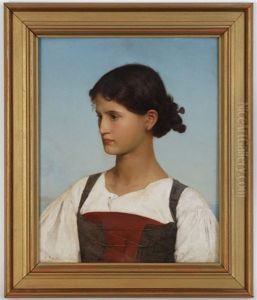
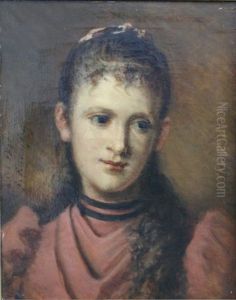
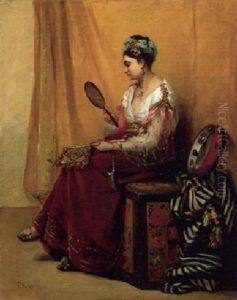
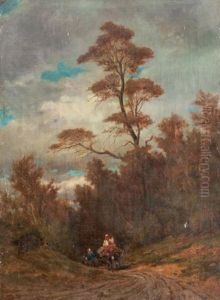
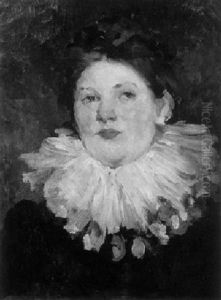
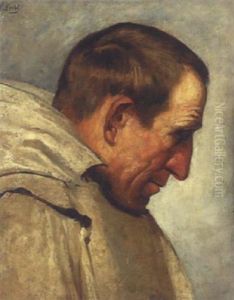
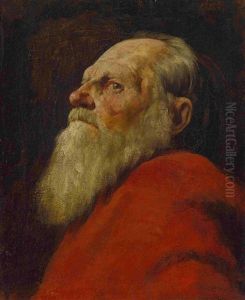



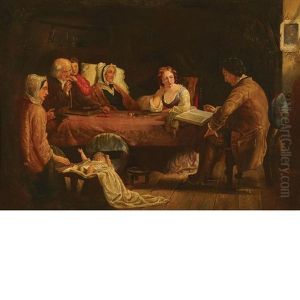
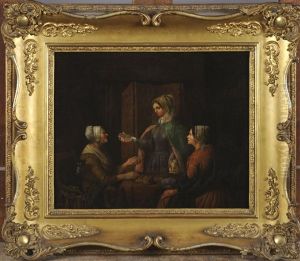
Cultural Shifts in 19th Century
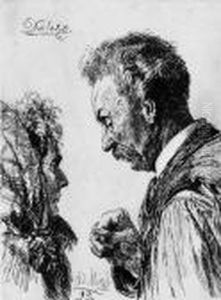
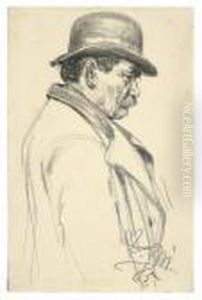
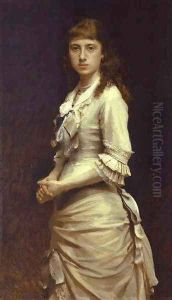
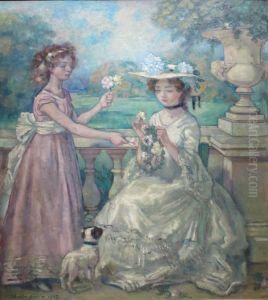
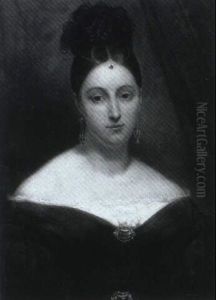
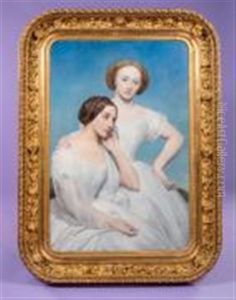
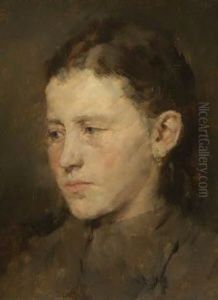
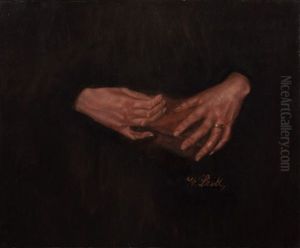
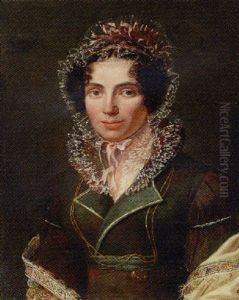
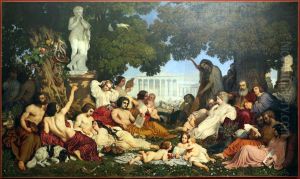
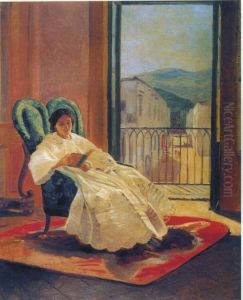
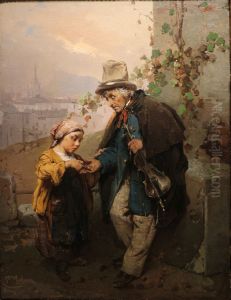
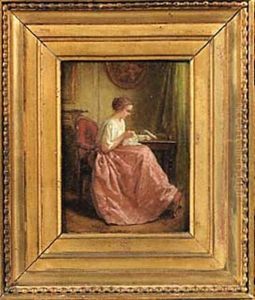
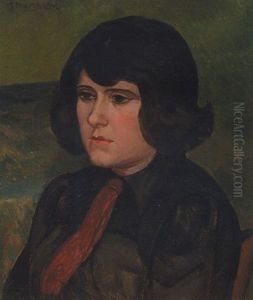
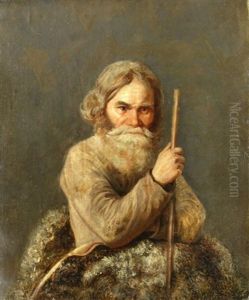
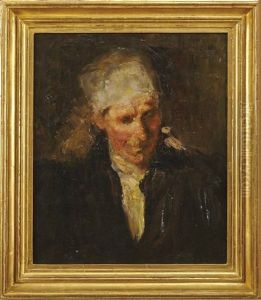
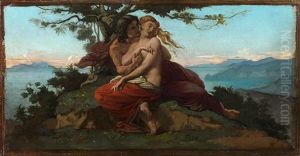
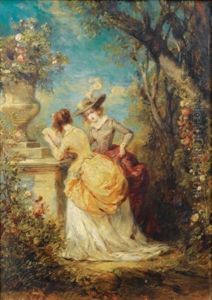
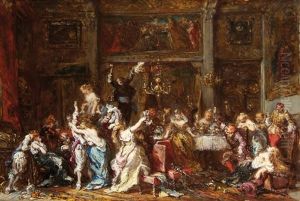
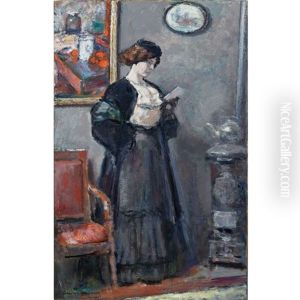
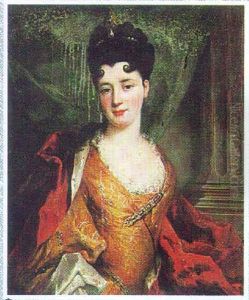
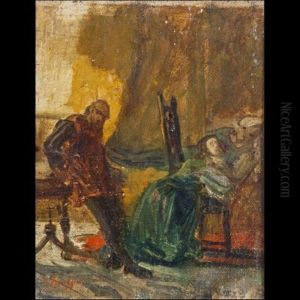
The Cultural Shifts in 19th Century marked a transformative period in art, literature, and society. This era witnessed the rise of various movements such as Romanticism, Realism, and Impressionism, each reflecting the changing values and beliefs of the time. Artists began to explore new themes, focusing on individualism and the human experience, which were significant departures from previous artistic norms.
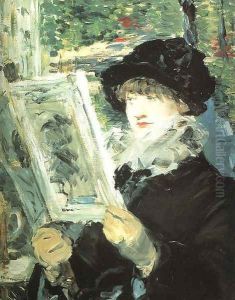
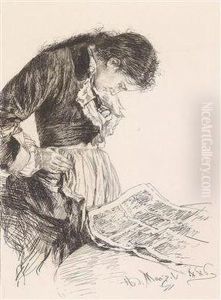
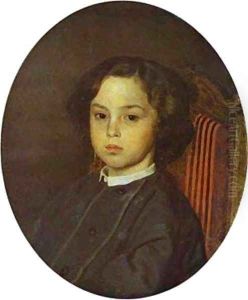
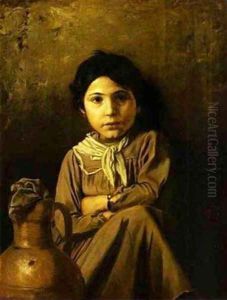
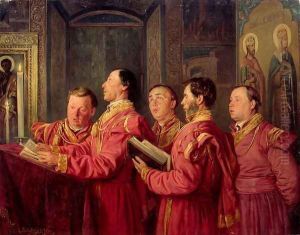
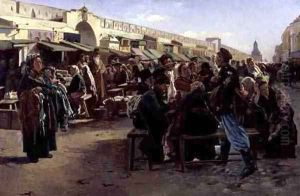
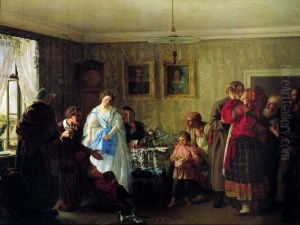
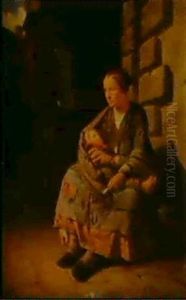
During the Cultural Shifts in 19th Century, the Industrial Revolution played a crucial role in shaping societal structures. Urbanization led to new social dynamics, influencing artists to depict everyday life and the struggles of the working class. This shift is evident in the works of painters like Gustave Courbet and Édouard Manet, who challenged traditional artistic conventions and embraced realism.
Moreover, the Cultural Shifts in 19th Century also saw the emergence of women artists, who began to gain recognition in a male-dominated field. Pioneers like Berthe Morisot and Mary Cassatt brought fresh perspectives to the art world, showcasing the female experience and contributing to the broader dialogue about gender and society.
As we explore the Cultural Shifts in 19th Century, it is essential to recognize the impact of technological advancements, such as photography, which influenced artistic techniques and styles. Artists experimented with light, color, and composition, leading to innovative approaches that defined the period.
In conclusion, the Cultural Shifts in 19th Century not only revolutionized the art world but also reflected the profound changes in society. Understanding these shifts allows us to appreciate the rich history of art and its role in mirroring human experiences. Dive into this fascinating era and discover the masterpieces that continue to inspire and resonate with audiences today.
Copyright 2010 - 2025 by NiceArtGallery.com All rights reserved. - Your Paintings of Choice


