Development Of Postal Services Paintings










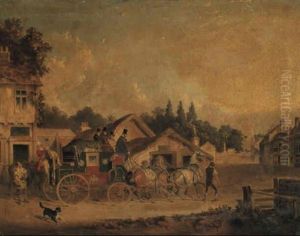
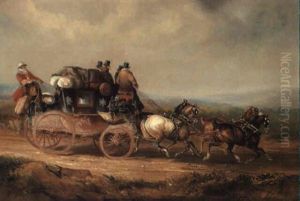
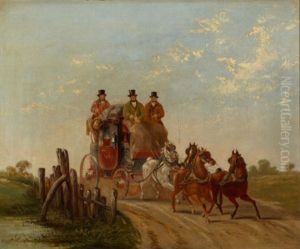





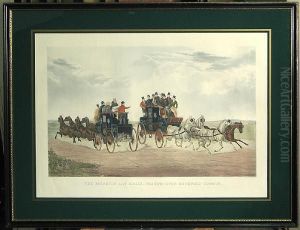
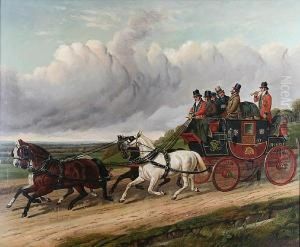




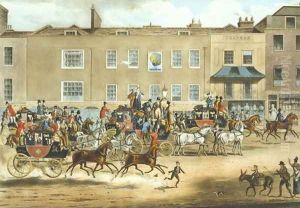
Understanding theDevelopment of Postal Services
The Development of Postal Services has played a crucial role in shaping communication and commerce throughout history. From the early days of messengers delivering letters by foot or horseback to the sophisticated logistics networks we see today, the evolution of postal services reflects advancements in technology and societal needs.
Initially, postal systems were established to facilitate government communication. However, as trade expanded, the need for reliable delivery of goods and information grew. The introduction of railways and steamships in the 19th century revolutionized the Development of Postal Services, allowing for faster and more efficient transit of mail and packages across long distances.
In the 20th century, innovations such as airmail and automated sorting systems further enhanced the efficiency of postal services. Today, the integration of digital technology has transformed how we send and receive items, leading to the rise of e-commerce and global shipping networks. The Development of Postal Services is not just about mail; it encompasses a vast array of logistics solutions that cater to the needs of businesses and individuals alike.
As we explore the historical context of postal services, it becomes clear that their evolution has been driven by the desire for connectivity and convenience. Modern postal services are now equipped to handle a variety of shipments, including letters, packages, and even art pieces, ensuring that valuable items reach their destinations safely and promptly.
Understanding the Development of Postal Services is essential for anyone involved in shipping, logistics, or e-commerce. The reliability and efficiency of these services can significantly impact customer satisfaction and business success. As we continue to witness advancements in this field, staying informed about the latest trends and technologies will help businesses adapt and thrive in an ever-changing marketplace.
Copyright 2010 - 2025 by NiceArtGallery.com All rights reserved. - Your Paintings of Choice


