Divine Right Of Kings Paintings
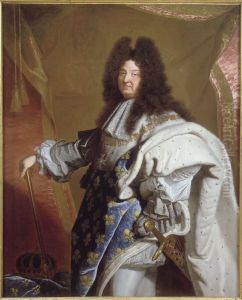
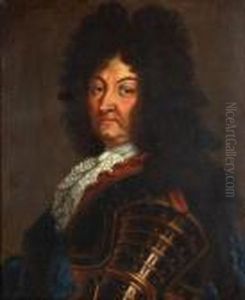
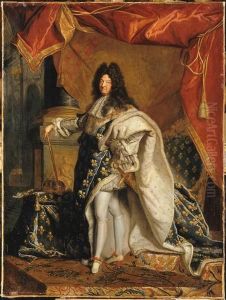
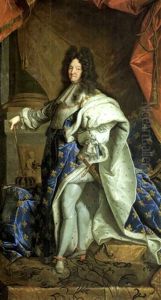
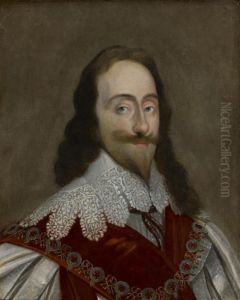
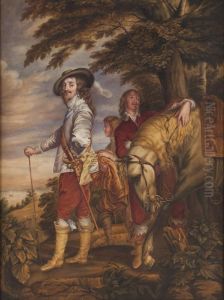
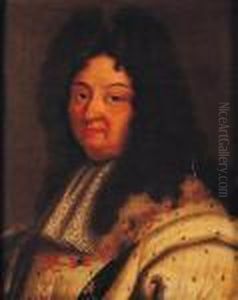
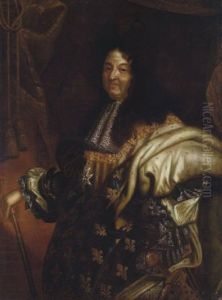
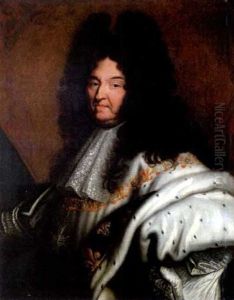
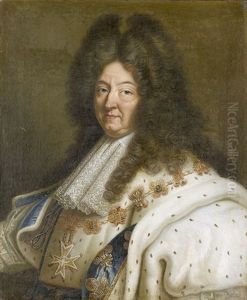
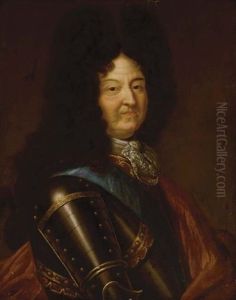
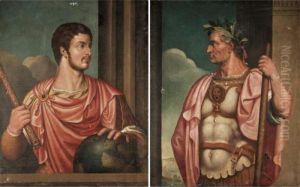
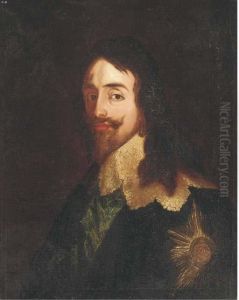
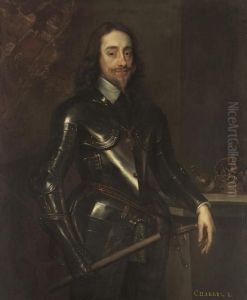
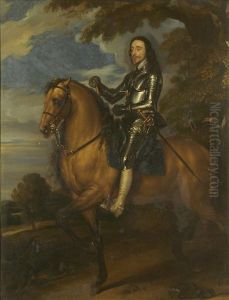
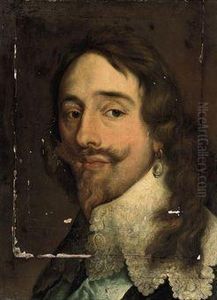
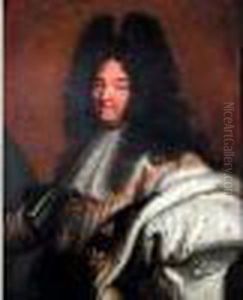
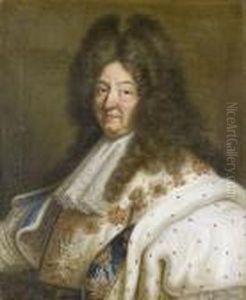
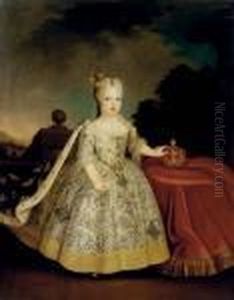
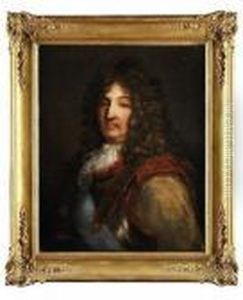
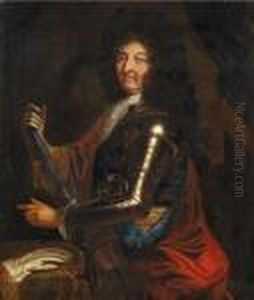
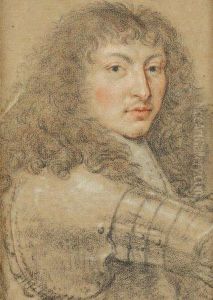
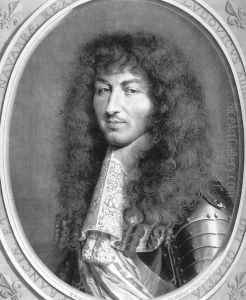
The Visual Legacy of the Divine Right of Kings in Art
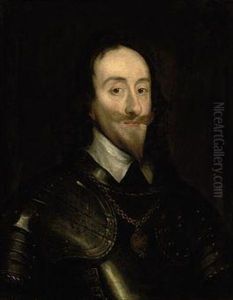
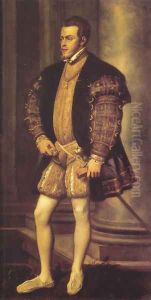
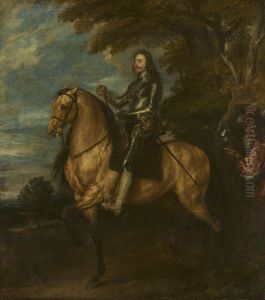
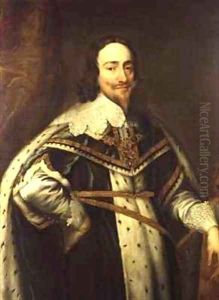
Explore a pivotal concept that shaped centuries of European art: the Divine Right of Kings. This political and religious doctrine asserted that monarchs derived their authority directly from God, making them answerable only to Him. Such a profound belief naturally found its most powerful expression in the visual arts, serving as a cornerstone for royal portraiture, historical narratives, and grand allegorical scenes. For those fascinated by the intersection of power, faith, and artistic expression, understanding this principle is key to appreciating many masterworks.
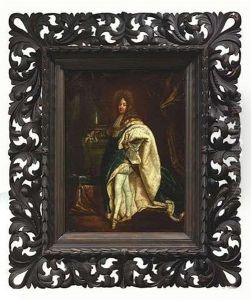
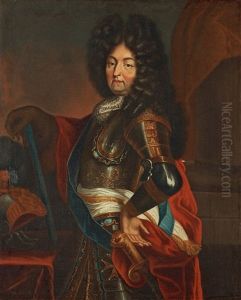
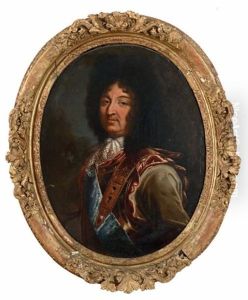
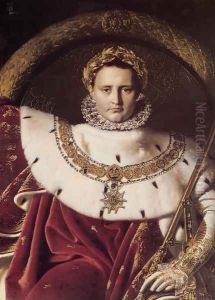
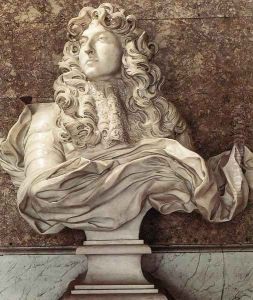
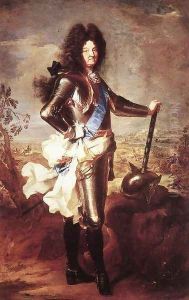
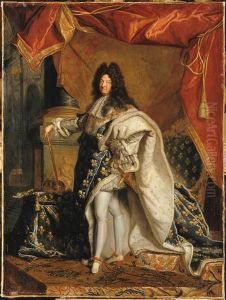
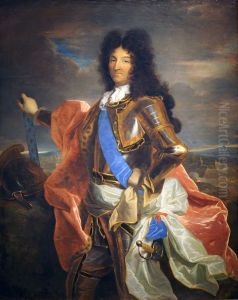
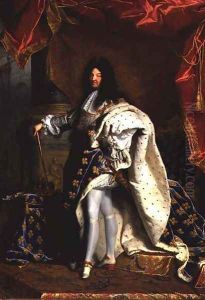
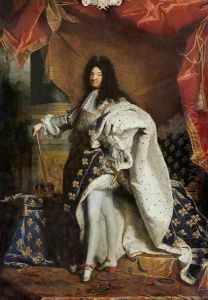
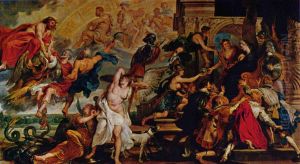
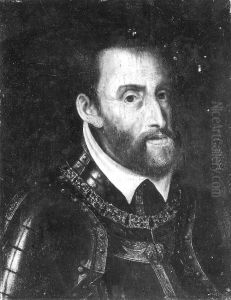
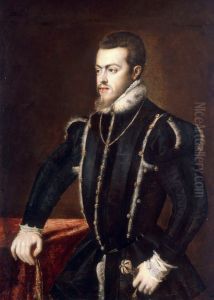
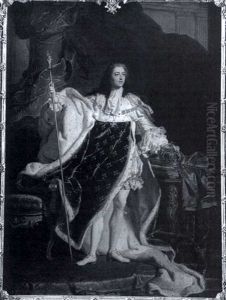
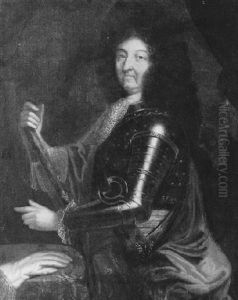
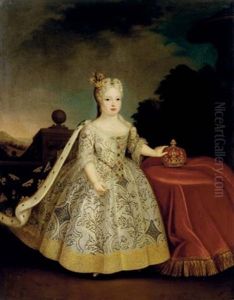
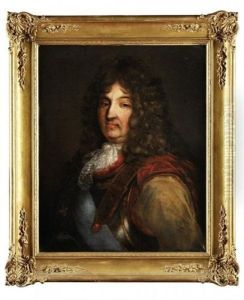
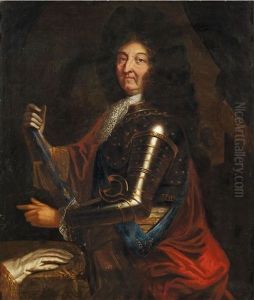
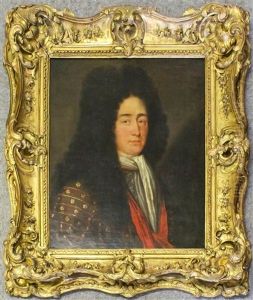
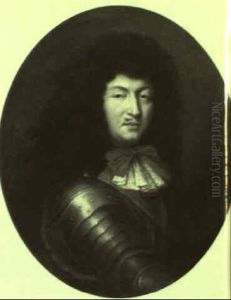
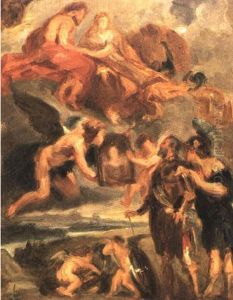
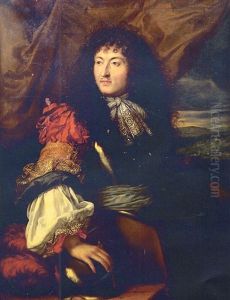
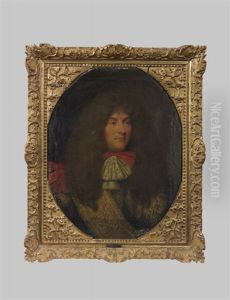
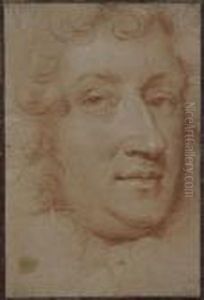
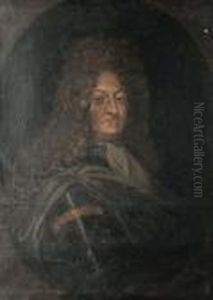
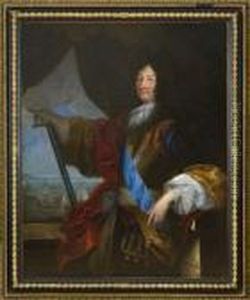
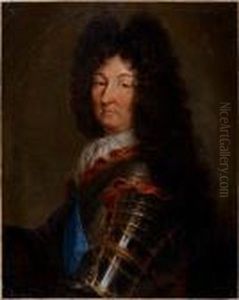
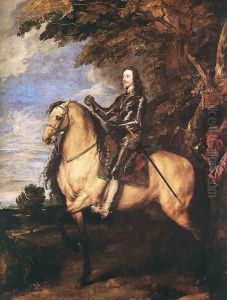
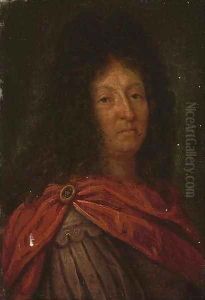
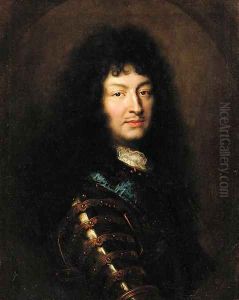
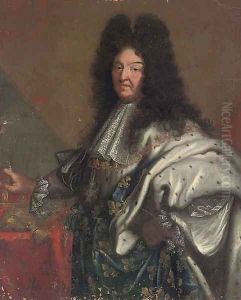
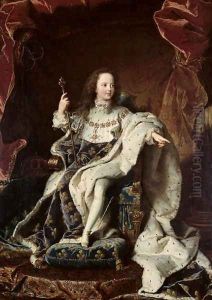
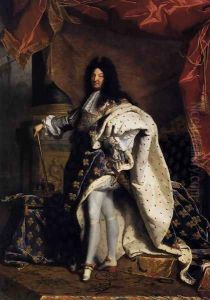
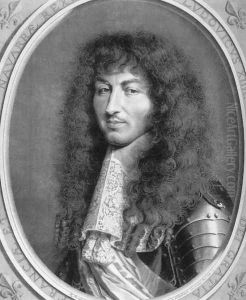
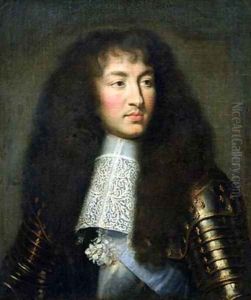
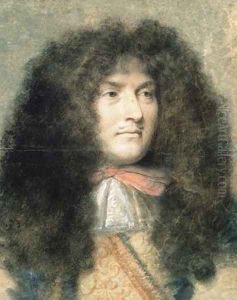
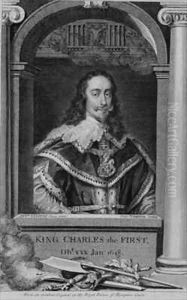
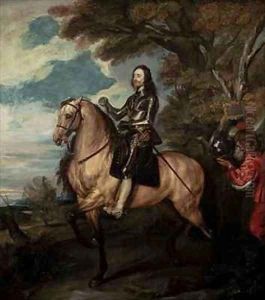
From the opulent courts of the Bourbon dynasty in France to the Stuart monarchy in England, artists were commissioned to visually legitimize and glorify rulers. Baroque and Rococo painters, in particular, excelled at depicting monarchs like Louis XIV, often known as the "Sun King," surrounded by symbols of divine authority and earthly dominion. These majestic canvases were not merely portraits; they were powerful statements of absolute sovereignty, meticulously crafted to project an image of unchallengeable, God-given power. Scenes might include classical deities endorsing the monarch, angels crowning them, or the ruler depicted in heroic, almost mythical, grandeur.
The art created under the influence of the Divine Right of Kings doctrine served a crucial purpose: propaganda. It reinforced the idea that rebellion against the monarch was not just treason but sacrilege. Every brushstroke, every carefully chosen symbol, contributed to a narrative of sacred kingship and an unbroken royal lineage blessed by heaven. These works were displayed in palaces, public squares, and even churches, ensuring that the message of divine legitimacy permeated all levels of society. Studying these historical reproductions offers a direct window into the political and religious ideologies that governed vast empires.
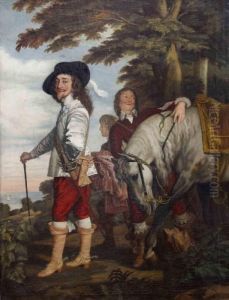
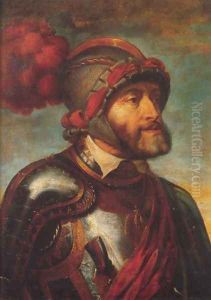
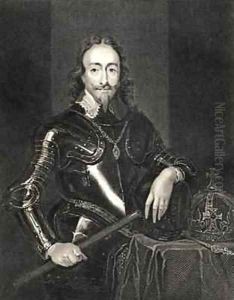
The artistic interpretations of the Divine Right of Kings doctrine left an indelible mark on art history. They showcase unparalleled skill in composition, symbolism, and the portrayal of human and allegorical figures. Whether you are drawn to the stoic dignity of a Stuart monarch, the theatrical splendor of a French king, or the intricate symbolism of a Holy Roman Emperor, these paintings offer a rich tapestry of historical context and artistic mastery. Acquiring a reproduction of such a piece allows one to own a tangible link to an era where art was a direct instrument of statecraft and spiritual conviction, reflecting the very essence of royal power.
Copyright 2010 - 2025 by NiceArtGallery.com All rights reserved. - Your Paintings of Choice


