Emergence Of Still Life Genre Paintings
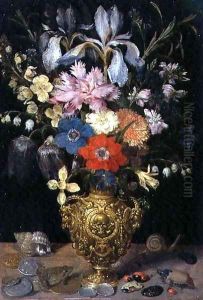
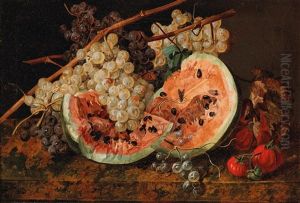
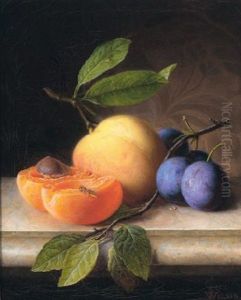
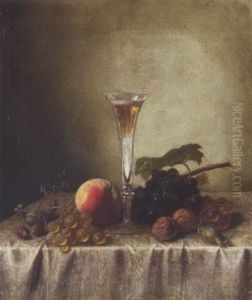
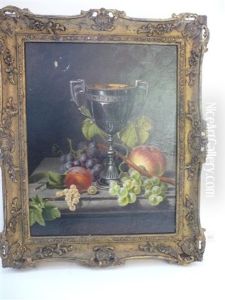
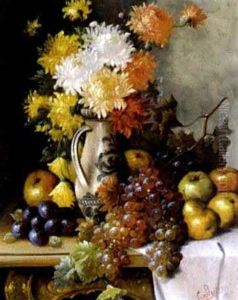
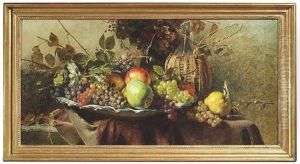
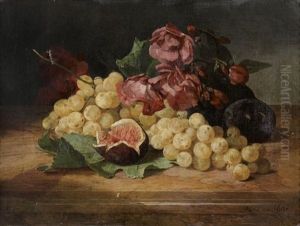
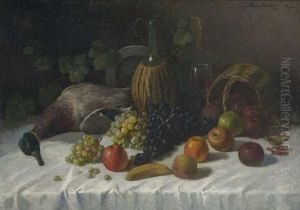
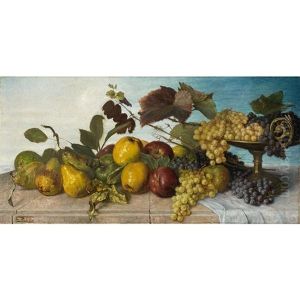
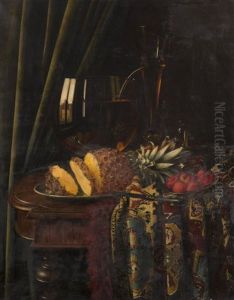
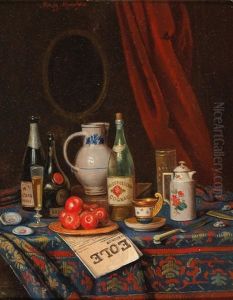
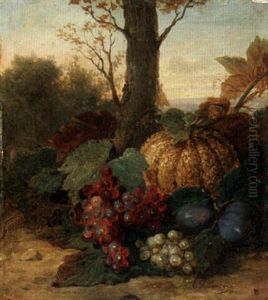
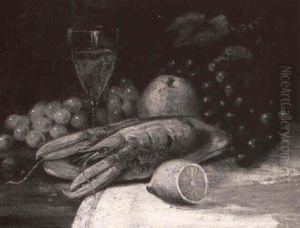
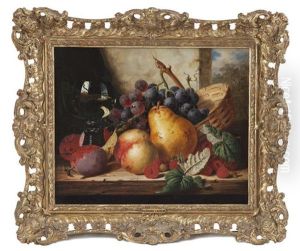
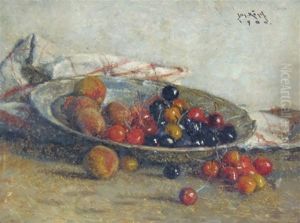
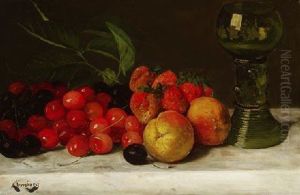
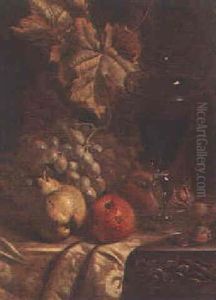
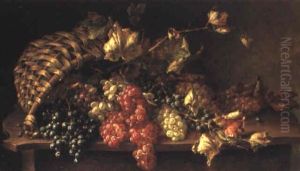
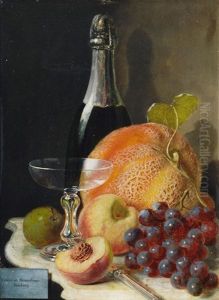
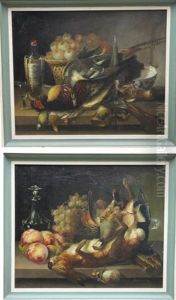
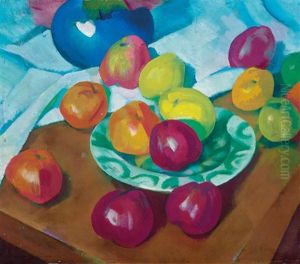

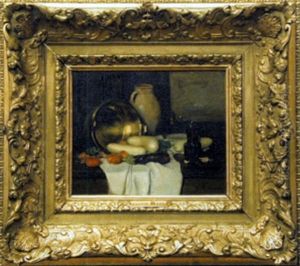
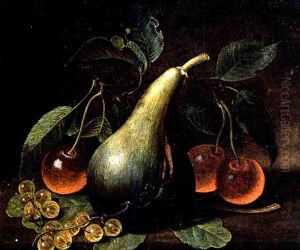
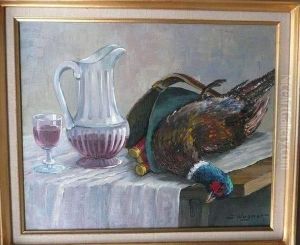
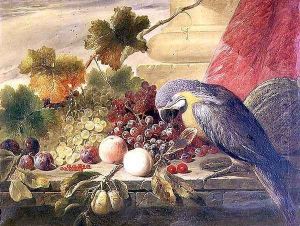
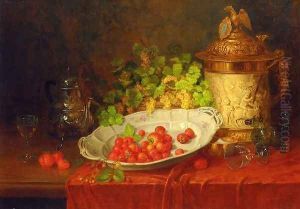
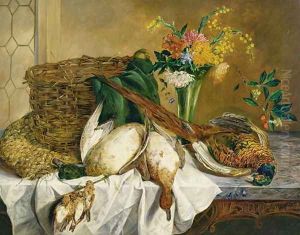
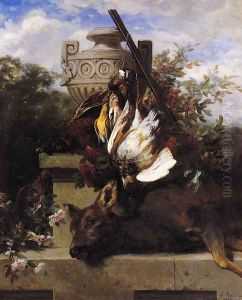
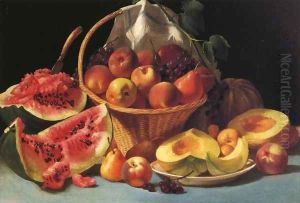
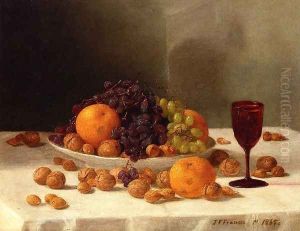
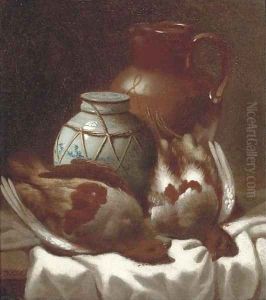
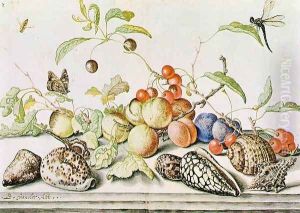
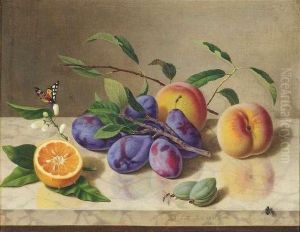
Exploring the Emergence of Still Life Genre
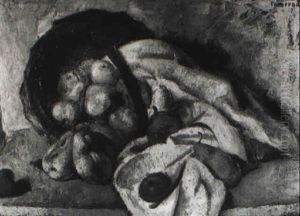
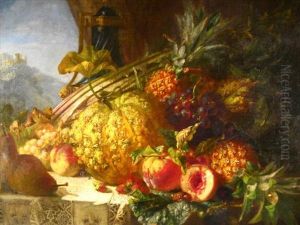
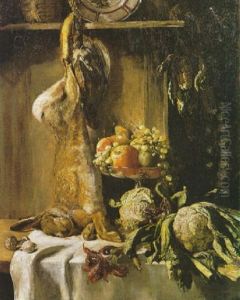
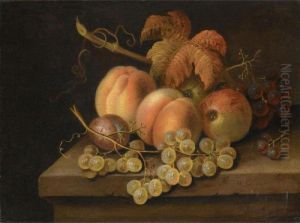
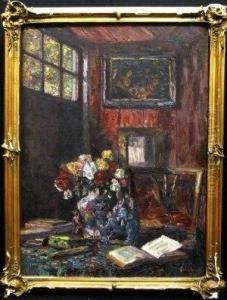
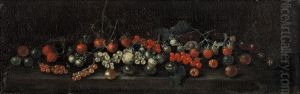
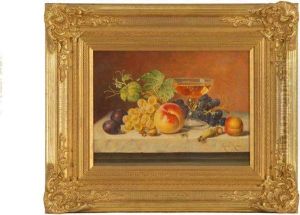
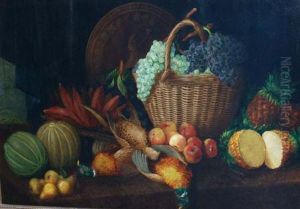
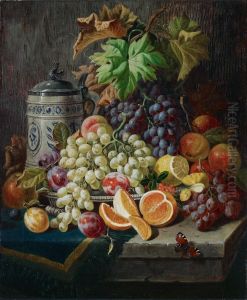
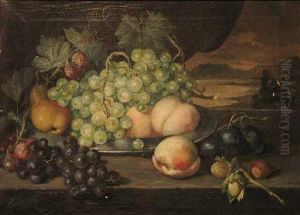
The Emergence of Still Life Genre marks a significant turning point in the history of art, characterized by its unique focus on the depiction of inanimate objects. This genre gained prominence during the Renaissance, evolving from earlier symbolic representations to more realistic portrayals. Artists began to explore the beauty of everyday items, such as fruits, flowers, and household objects, reflecting both the material culture and the philosophical ideas of their time.
As we delve into the Emergence of Still Life Genre, it’s essential to recognize the influence of key artists who shaped its development. Masters like Caravaggio, with his dramatic use of light and shadow, and Dutch painters like Jan Davidsz de Heem, who brought exquisite detail to their compositions, played a crucial role in elevating the still life to a respected art form. These paintings not only served aesthetic purposes but also conveyed deeper meanings about life, mortality, and the passage of time.
The Emergence of Still Life Genre also paved the way for modern interpretations, inspiring countless artists throughout the centuries. Today, hand-painted replicas of classic still life works allow art enthusiasts to appreciate the intricate techniques and vibrant colors that define this genre. Whether you're drawn to the lush arrangements of fruits or the delicate beauty of floral compositions, these reproductions capture the essence of the original masterpieces.
At Nice Art Gallery, we celebrate the rich history and evolution of the still life genre. Our collection features expertly crafted replicas that honor the tradition while making it accessible to contemporary audiences. Each piece reflects the meticulous attention to detail and the artistic skills that have defined the Emergence of Still Life Genre through the ages. Explore our offerings and bring home a piece of art history that resonates with beauty and meaning.
Copyright 2010 - 2025 by NiceArtGallery.com All rights reserved. - Your Paintings of Choice


