Influence Of Caravaggio Paintings

The ProfoundInfluence of Caravaggioon Western Art
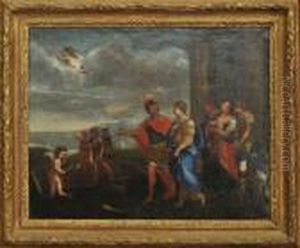
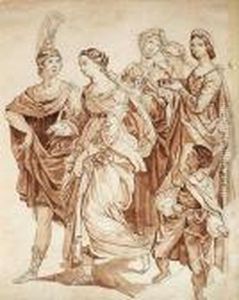
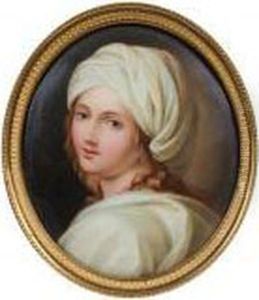
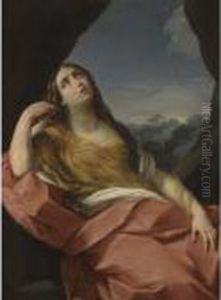
Michelangelo Merisi da Caravaggio, a revolutionary figure of the early 17th century, forever altered the course of Western art. His groundbreaking approach to painting, characterized by intense naturalism, dramatic chiaroscuro, and a profound psychological depth, sparked an artistic revolution that resonated across Europe. This page explores the enduring impact and profound Influence of Caravaggio on subsequent generations of artists, a legacy that continues to captivate and inspire.
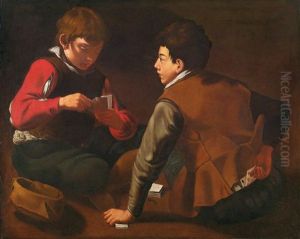
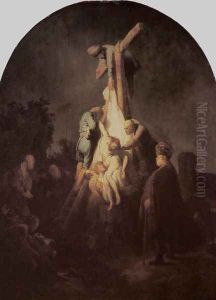
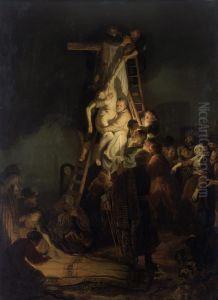
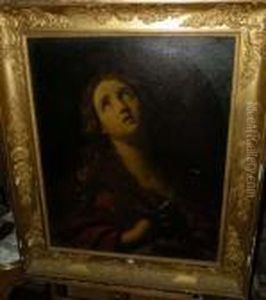
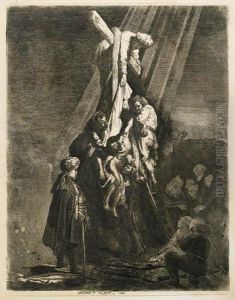
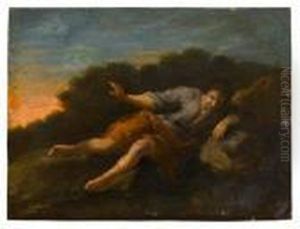
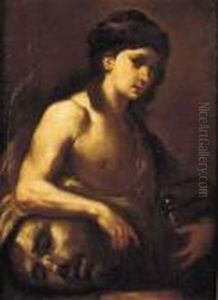
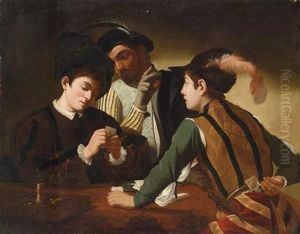
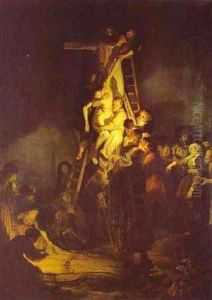
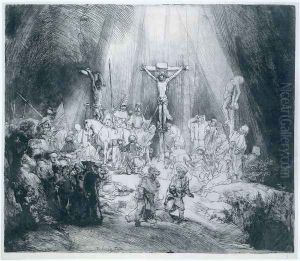
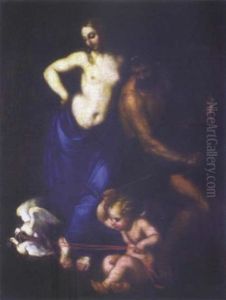
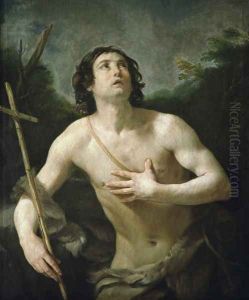
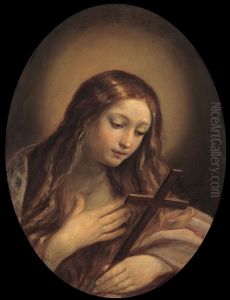
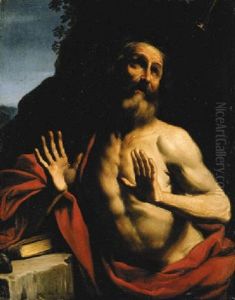
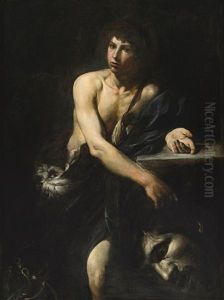
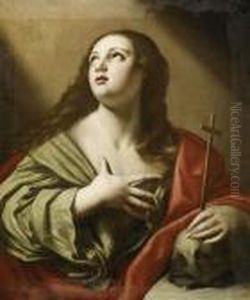
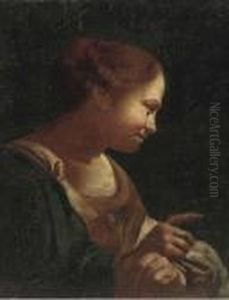
Caravaggio's signature style, often termed 'tenebrism,' involved the use of stark contrasts between light and shadow, plunging much of the composition into darkness while illuminating key figures or elements with a strong, often single, light source. This technique created an unprecedented sense of drama and immediacy, drawing viewers directly into the scene. Beyond his innovative lighting, Caravaggio's commitment to depicting figures with raw realism, often using ordinary people as models for saints and mythological figures, challenged traditional artistic conventions and brought a new level of humanity to religious and genre scenes. These bold artistic choices were quickly adopted and adapted by countless painters.
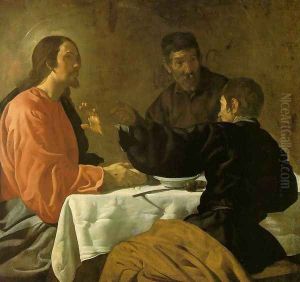
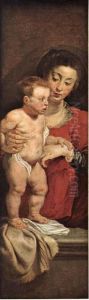
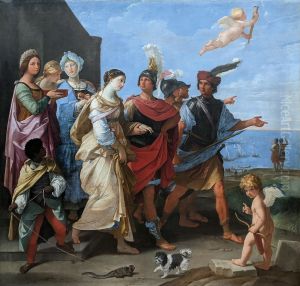
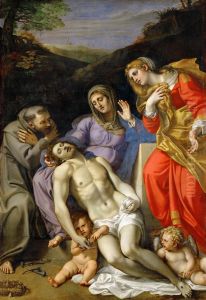
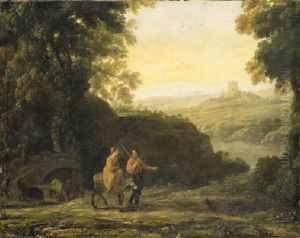
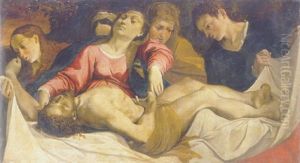
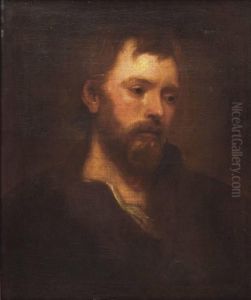
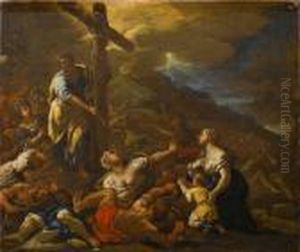
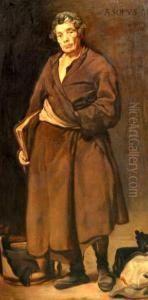
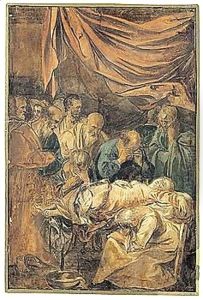
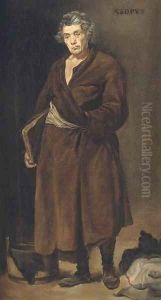
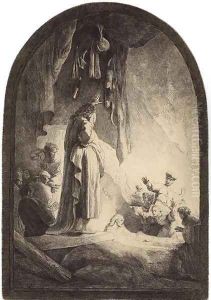
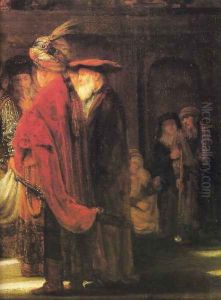
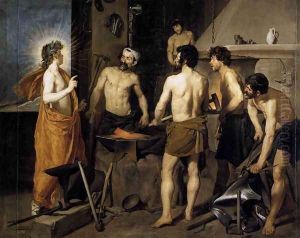
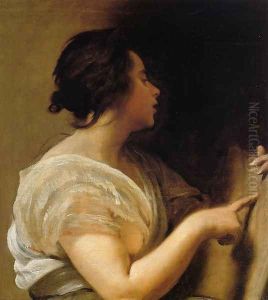
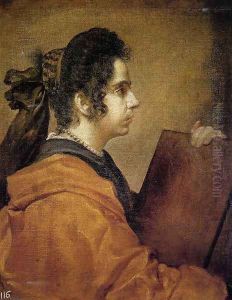
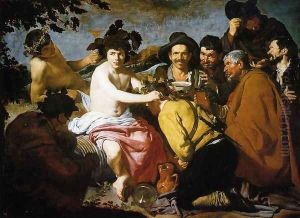
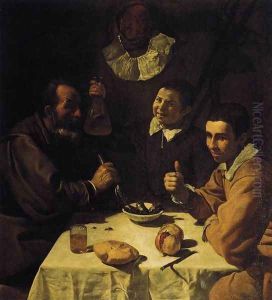
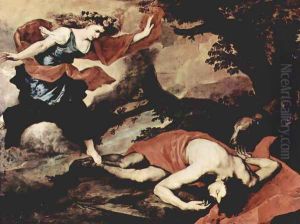
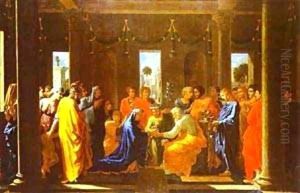
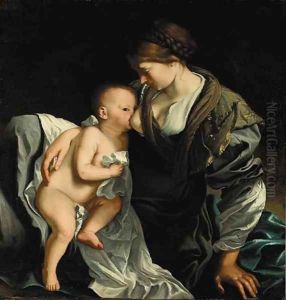
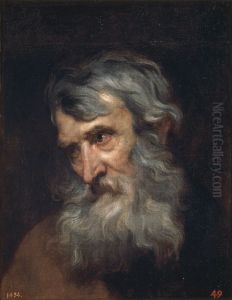
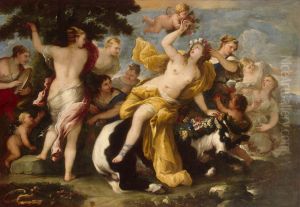
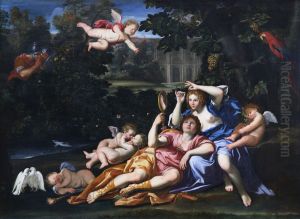
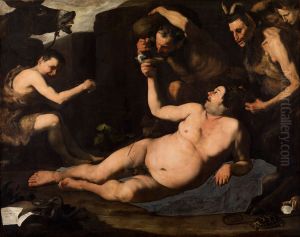
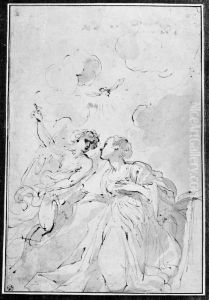
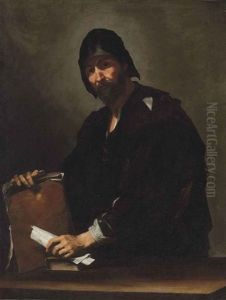
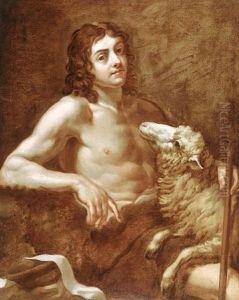
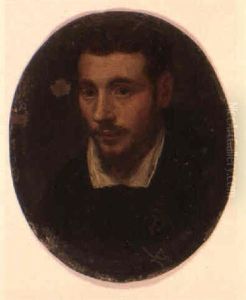
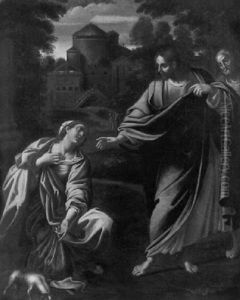
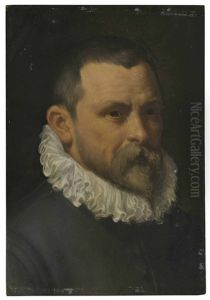
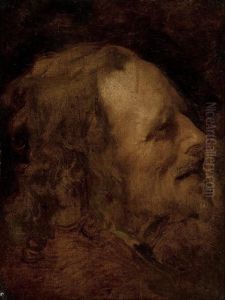
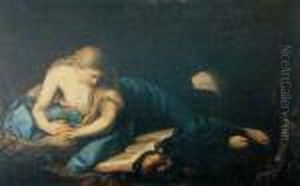
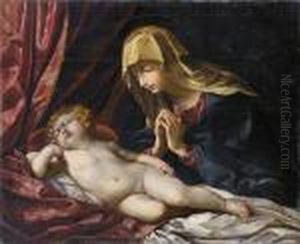
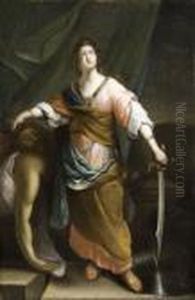
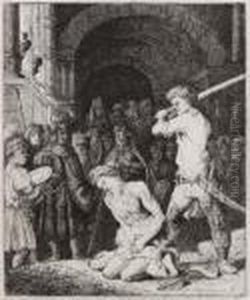
The movement of artists directly inspired by Caravaggio became known as the "Caravaggisti." From Rome, where his career flourished, his style spread rapidly. Prominent Italian followers included Artemisia Gentileschi, whose powerful narratives echoed Caravaggio's intensity, and Orazio Gentileschi. In Spain, Jusepe de Ribera became a leading exponent of his naturalistic and dramatic style. The Dutch Golden Age saw the rise of the "Utrecht Caravaggisti" like Gerrit van Honthorst and Hendrick ter Brugghen, who infused their works with his characteristic lighting and realism. Even masters like Diego Velázquez and Peter Paul Rubens, while developing their own distinct styles, absorbed and transformed elements of Caravaggio’s revolutionary approach to composition and emotional expression. Georges de La Tour in France, with his contemplative candlelit scenes, also stands as a testament to this widespread artistic phenomenon.
The Influence of Caravaggio was not merely a fleeting trend; it was a fundamental shift that reshaped the visual language of the Baroque era and beyond. His radical innovations in lighting, composition, and the portrayal of human emotion laid the groundwork for future artistic developments, impacting everything from portraiture to grand historical paintings. For those seeking to immerse themselves in this pivotal moment in art history, exploring high-quality reproductions of works by Caravaggio and his diverse followers offers an unparalleled opportunity to appreciate the raw power and enduring beauty of this transformative artistic legacy. Discover the depth and drama that defined an era, meticulously captured for your collection.
Copyright 2010 - 2025 by NiceArtGallery.com All rights reserved. - Your Paintings of Choice


