Influence Of Venetian Art Paintings




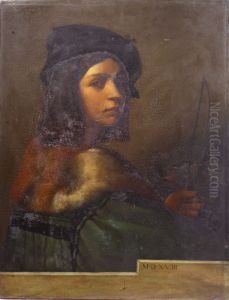
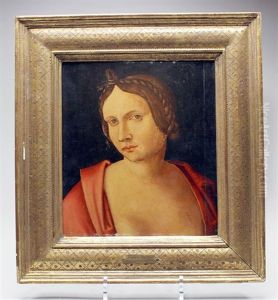
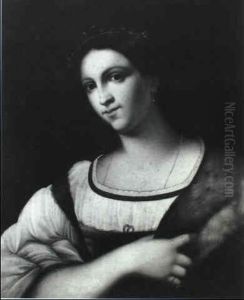
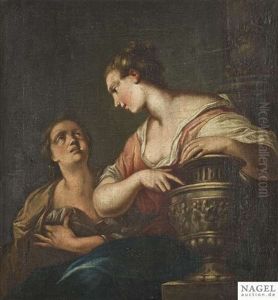









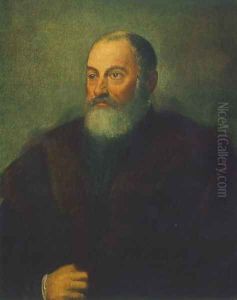
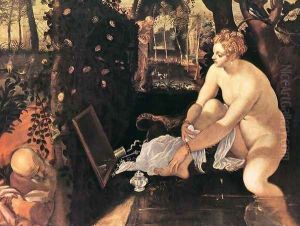
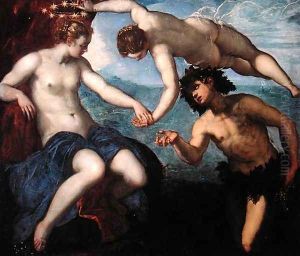
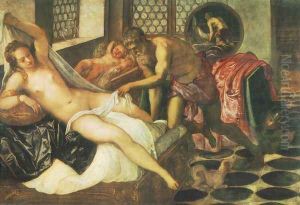





Understanding the Profound Influence of Venetian Art on Western Painting
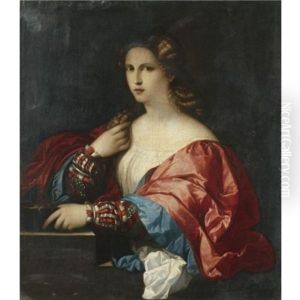
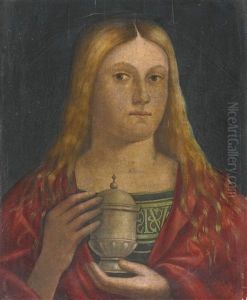
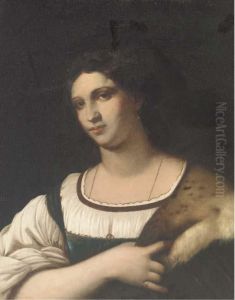
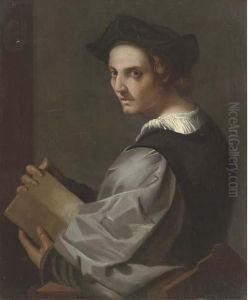
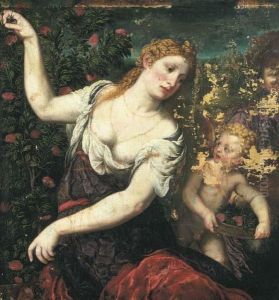
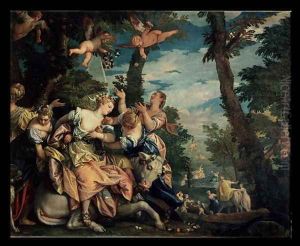
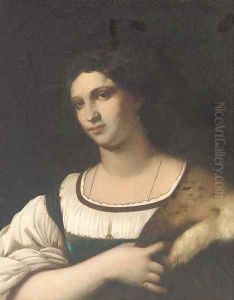
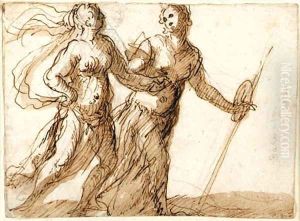
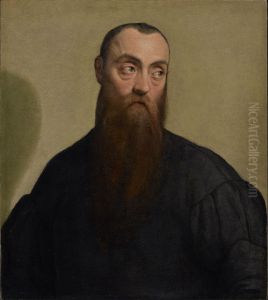
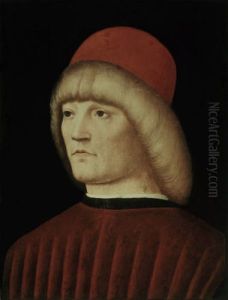
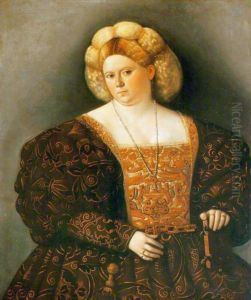
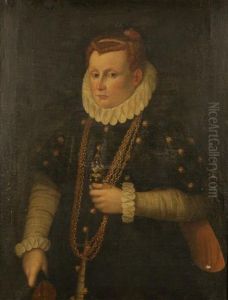
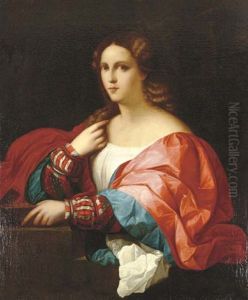
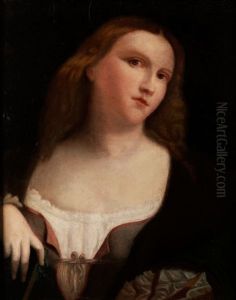
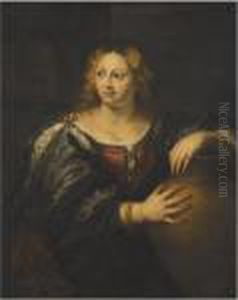
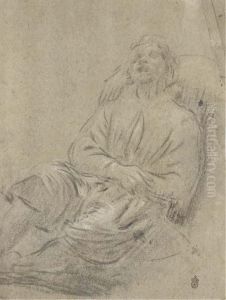
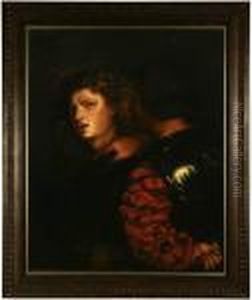
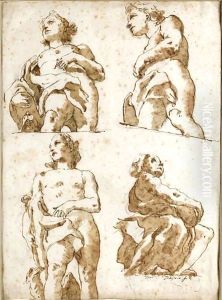
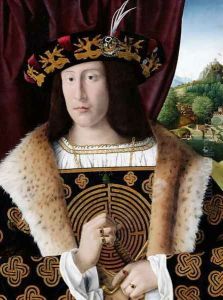
The art of Venice, flourishing from the 15th to the 18th centuries, stands as a unique and powerful force in the history of Western art. Unlike its Florentine contemporaries who prioritized 'disegno' (drawing and line), the Venetian School championed 'colorito' – an emphasis on vibrant color, light, and atmospheric effects. This revolutionary approach, born from Venice's unique position as a maritime trading power and cultural crossroads, gave rise to some of the most emotionally resonant and visually stunning masterpieces ever created. Exploring this rich heritage reveals how deeply the Influence of Venetian Art shaped subsequent artistic movements across Europe.
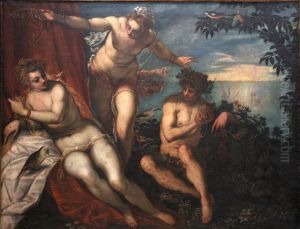
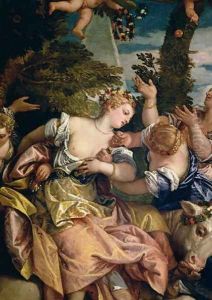
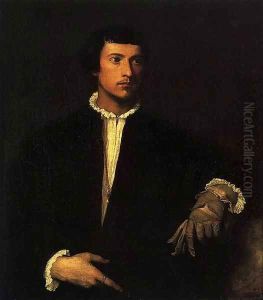
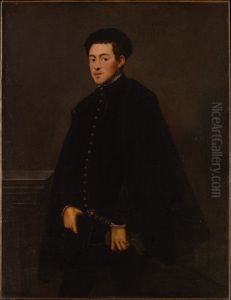
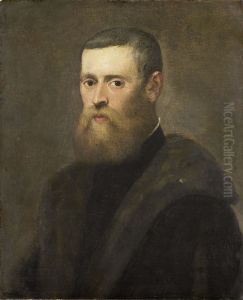
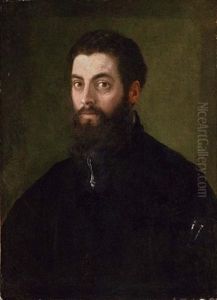
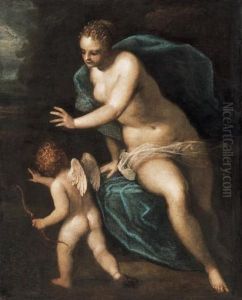
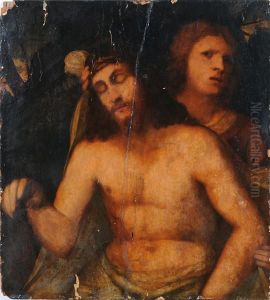
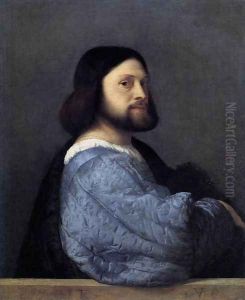
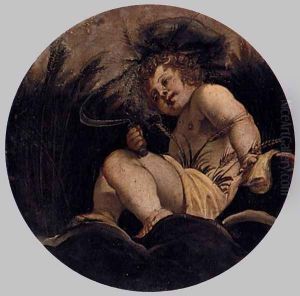
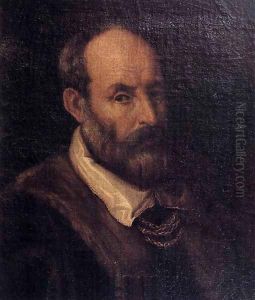
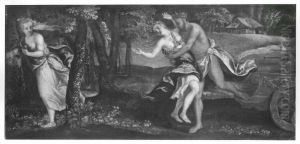
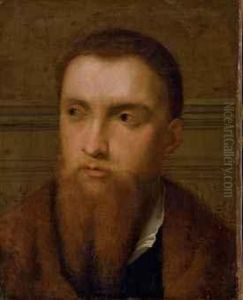
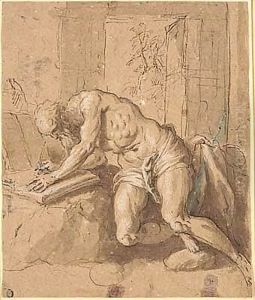
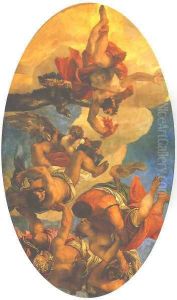
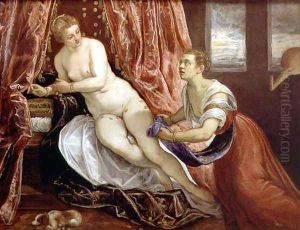
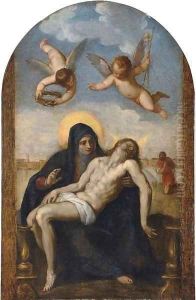
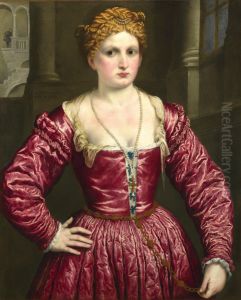
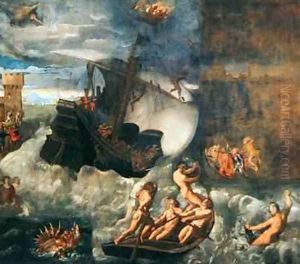
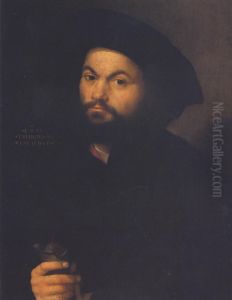
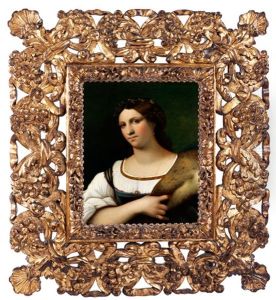
Key masters like Giovanni Bellini laid the groundwork, but it was artists such as Giorgione, Titian, Tintoretto, and Veronese who truly defined the Venetian Renaissance. Titian's unparalleled mastery of color, his innovative use of layered glazes to achieve luminous skin tones and rich textures, and his ability to convey profound psychological depth in his portraits and mythological scenes, set new standards. Tintoretto brought dramatic dynamism and bold chiaroscuro to his monumental religious works, while Veronese captivated with his grand, theatrical compositions and opulent depictions of feasts and allegories. Their collective genius established a distinct visual language characterized by rich hues, soft light, and a palpable sense of atmosphere, often depicting sacred subjects, expressive portraits, and pioneering landscapes.
The far-reaching Influence of Venetian Art cannot be overstated. Venetian techniques, particularly the emphasis on oil painting and its expressive potential, spread rapidly across the continent. Artists like Peter Paul Rubens in the Flemish Baroque, Diego Velázquez in the Spanish Golden Age, and even later masters like Rembrandt, drew significant inspiration from the Venetian School's use of color, light, and dramatic composition. The Venetian preference for rich, warm palettes and the emotional impact of light and shadow became fundamental elements in the development of Baroque art, shaping artistic expression for centuries. This legacy continues to inspire, reminding us of the enduring power of color and light in art.
For those passionate about art history, understanding the profound impact of this period is essential. The enduring appeal of these masterworks lies in their innovative techniques and their ability to evoke deep emotion. Exploring the timeless beauty and technical brilliance of these iconic paintings offers a window into a pivotal era that forever changed the course of art. Acquiring high-quality reproductions allows art enthusiasts to bring the splendor and historical significance of this influential artistic tradition into their own spaces, celebrating its lasting legacy.
Copyright 2010 - 2025 by NiceArtGallery.com All rights reserved. - Your Paintings of Choice


