Psychology Paintings
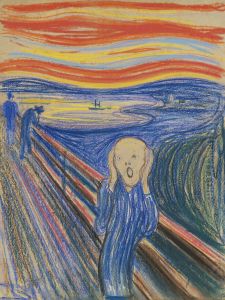

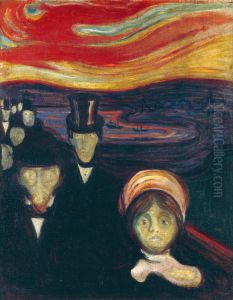
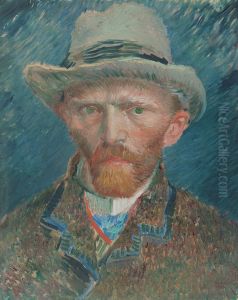
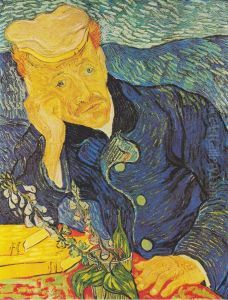























Understanding the Intersection of Art andPsychology
Art has long been a medium through which we explore the depths of human emotion and thought. At the heart of this exploration lies the field of Psychology, which helps us understand how art influences our minds and behaviors. The connection between artistic expression and psychological well-being is profound, making classic oil paintings not just decorative pieces but also tools for emotional healing and reflection.
Classic oil paintings evoke a range of emotions, from joy to melancholy, and this emotional response is deeply rooted in Psychology. Research shows that viewing art can trigger the release of dopamine, a neurotransmitter associated with pleasure and reward. This means that these beautiful reproductions can enhance your mood and contribute positively to your mental health.
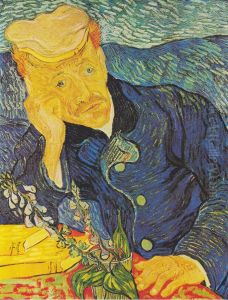
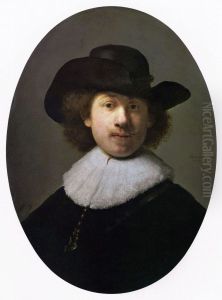
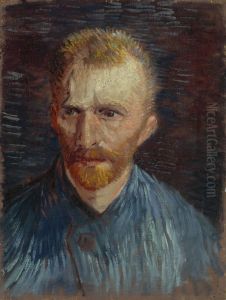
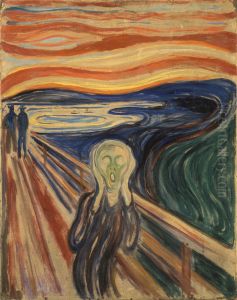
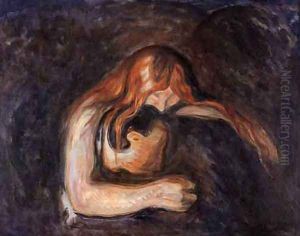
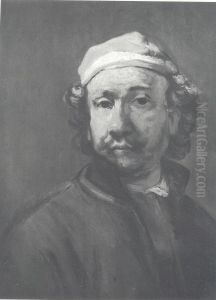
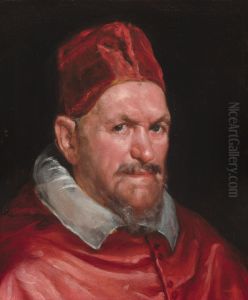
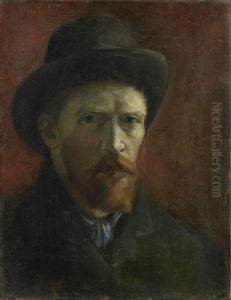
Moreover, the choice of colors, subjects, and styles in classic oil paintings can resonate with different psychological states. For instance, vibrant colors may evoke feelings of happiness, while darker tones can provoke introspection. By incorporating these elements into your space, you can create an environment that reflects your emotional landscape and supports your psychological needs.
In addition to personal enjoyment, classic oil paintings can also serve as conversation starters, allowing for deeper connections with others. The themes and stories behind each piece can lead to discussions about art history, cultural significance, and the psychological impact of creativity. This dialogue not only enriches our understanding of art but also enhances our social interactions, which is crucial for mental wellness.
Exploring the world of classic oil paintings through the lens of Psychology opens up new avenues for appreciation and understanding. Whether you are seeking to enhance your living space, find inspiration, or simply enjoy the beauty of art, these hand-painted reproductions offer a unique blend of aesthetic pleasure and psychological insight. Embrace the transformative power of art and allow it to influence your emotional journey.
Copyright 2010 - 2025 by NiceArtGallery.com All rights reserved. - Your Paintings of Choice


