Scientific Context Paintings







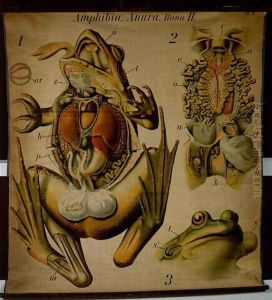

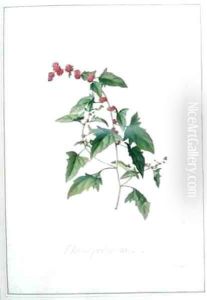
Explore the Scientific Context of Classic Oil Paintings
Welcome to our collection where art meets science. Understanding the Scientific Context of classic oil paintings enhances your appreciation of these timeless masterpieces. Each brushstroke carries not just artistic expression but also a wealth of scientific knowledge. From the chemistry of pigments to the physics of light, the Scientific Context plays a crucial role in the creation and preservation of these artworks.
When you delve into the Scientific Context, you discover how artists utilized natural materials, such as minerals and organic substances, to create vibrant colors. For instance, the use of ultramarine blue derived from lapis lazuli showcases the intersection of geology and art. Understanding these elements allows collectors and enthusiasts to grasp the significance of color choices and techniques employed by the masters.
Moreover, the Scientific Context extends to the methods of painting. Techniques like glazing and impasto not only reflect artistic intent but also involve principles of layering and texture that can be explained through science. By exploring these methods, one can appreciate how artists manipulated their mediums to achieve depth and luminosity in their works.
Preservation is another vital aspect where the Scientific Context is essential. Knowledge of environmental factors such as temperature, humidity, and light exposure can greatly impact the longevity of oil paintings. This understanding is crucial for museums and collectors alike, ensuring that these artworks are maintained for future generations to enjoy.
In summary, the Scientific Context of classic oil paintings is a fascinating blend of art and science. By acknowledging this relationship, you can deepen your understanding and appreciation of these incredible works. Whether you're a seasoned collector or a new admirer, exploring the scientific principles behind these masterpieces will enrich your experience and connection to art.
Copyright 2010 - 2025 by NiceArtGallery.com All rights reserved. - Your Paintings of Choice


