Symbolism Of Fruits Paintings






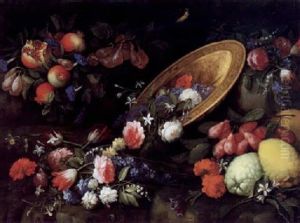
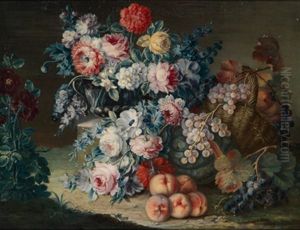
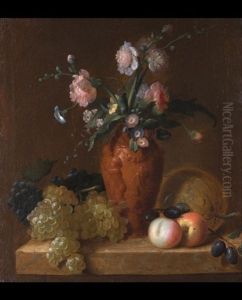

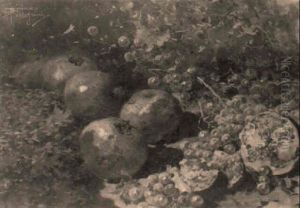
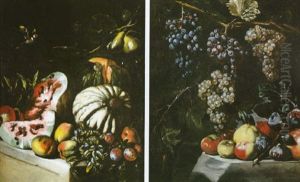

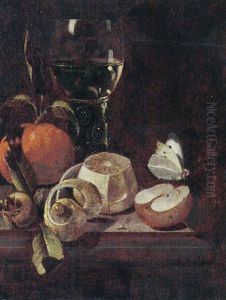
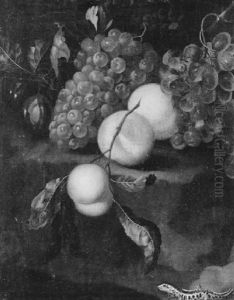
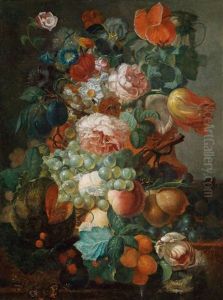
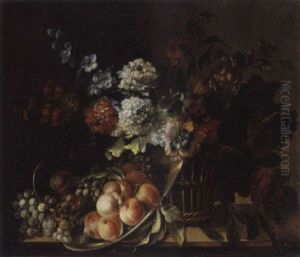
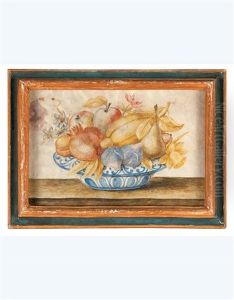
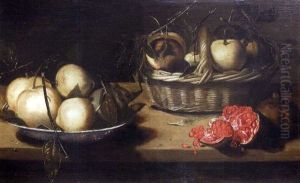


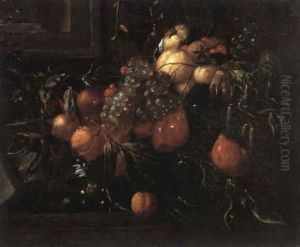
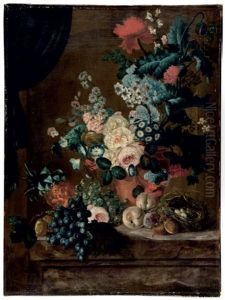

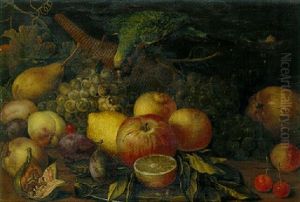
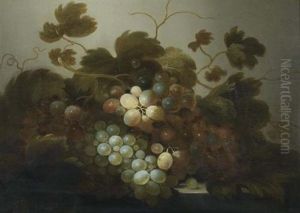

Unveiling the ProfoundSymbolism of Fruitsin Classic Art
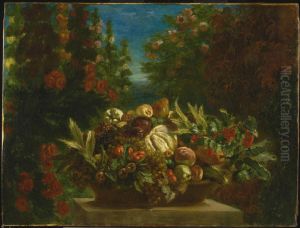
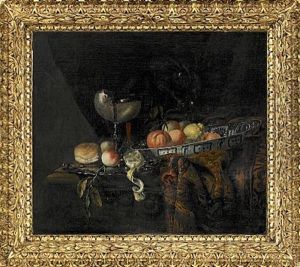
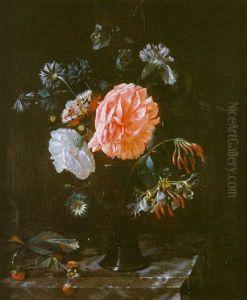
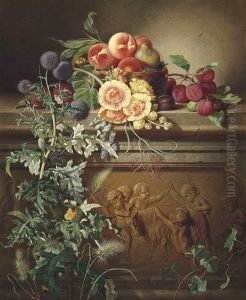
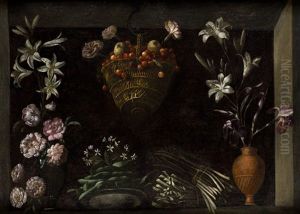
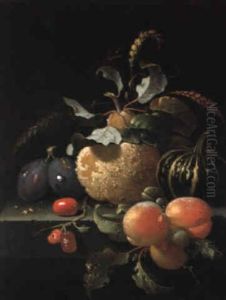
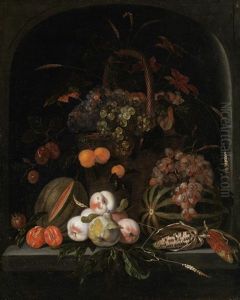
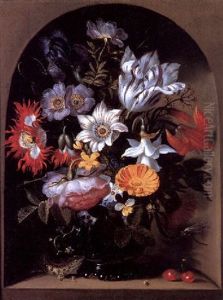
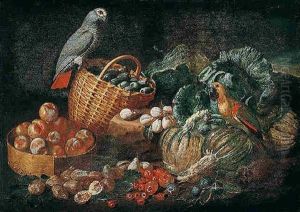
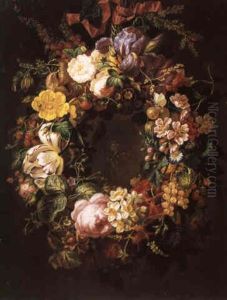
For centuries, artists have masterfully incorporated fruits into their paintings, not merely as decorative elements but as powerful conveyors of deeper meaning. Delving into the profound Symbolism of Fruits unlocks a richer understanding of classic masterpieces, revealing hidden narratives, moral lessons, and allegorical messages. From the Renaissance to the Dutch Golden Age and beyond, these natural elements were carefully chosen to communicate complex ideas about life, death, faith, and human nature.
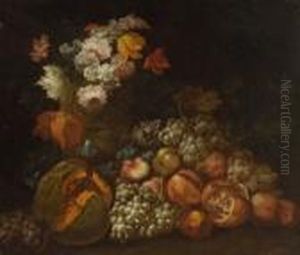
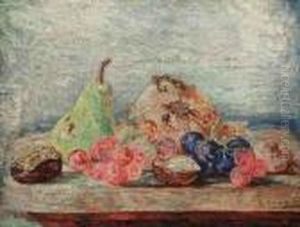
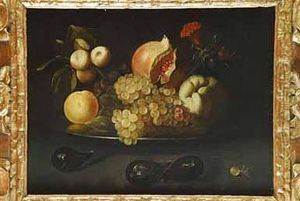
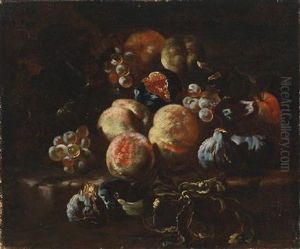
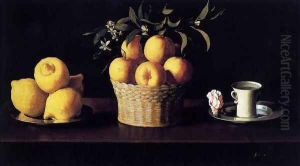
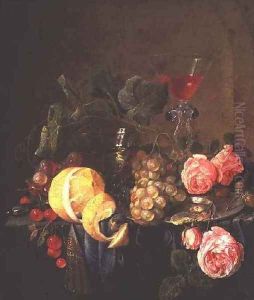
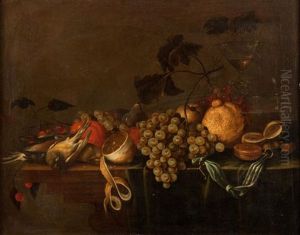
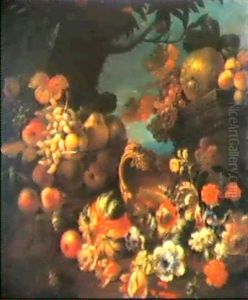
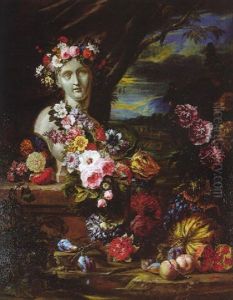
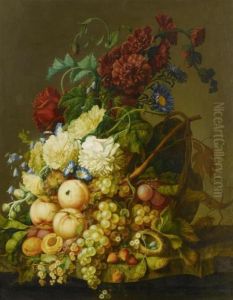
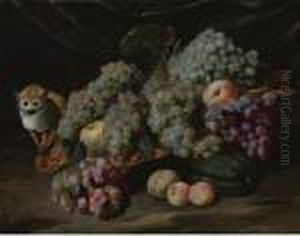
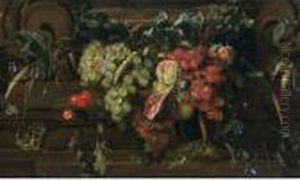
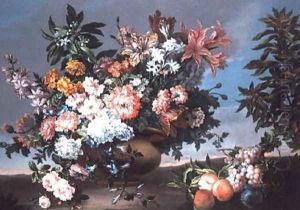
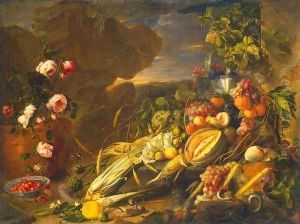
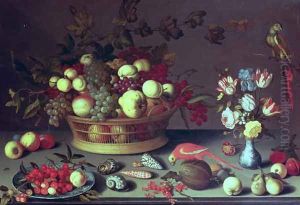
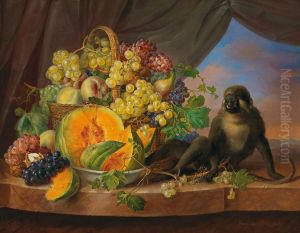
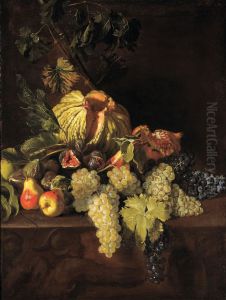
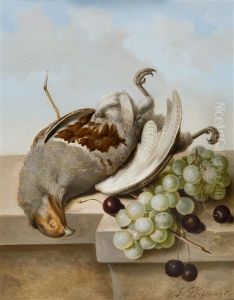
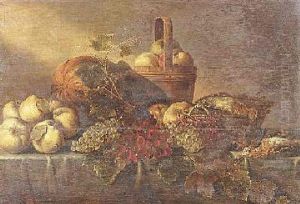
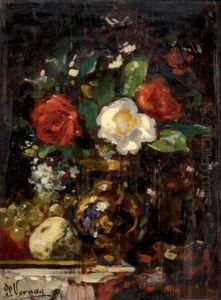
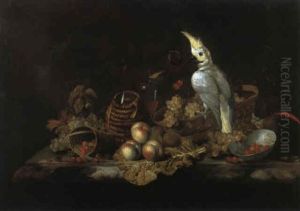
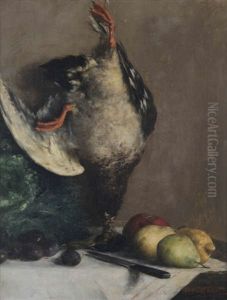
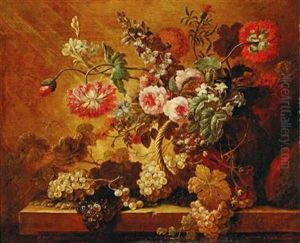
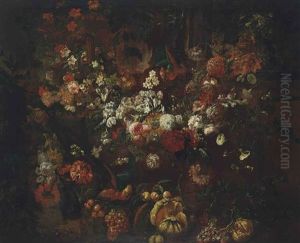
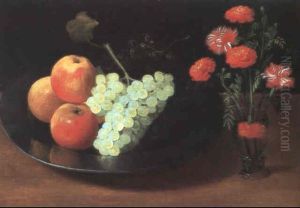
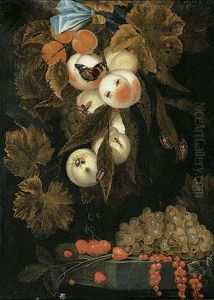
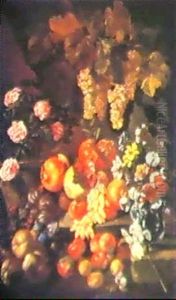
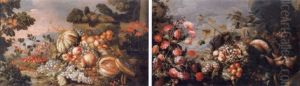
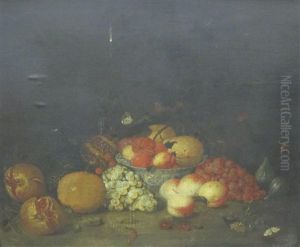
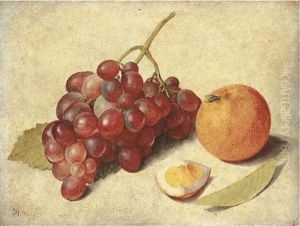
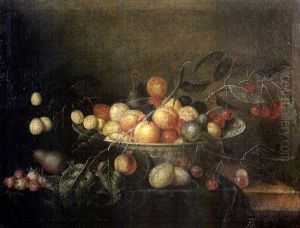
Each fruit carries its own unique set of connotations, often rooted in religious texts, mythology, or cultural beliefs. The apple, for instance, frequently represents knowledge, temptation, and sin, famously linked to the story of Adam and Eve. Yet, it can also symbolize salvation when depicted in the hand of Christ. Grapes, and the wine derived from them, are potent symbols of the Eucharist, sacrifice, and divine blood, but also earthly indulgence and revelry. The pomegranate, with its numerous seeds, commonly signifies fertility, resurrection, and divine love, while cherries can point to heavenly delights, purity, or the sweetness of life and passion. Even seemingly simple fruits like lemons and oranges often allude to the bitterness of life, purification, or eternal life due to their evergreen nature.
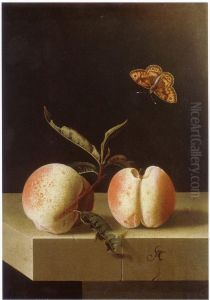
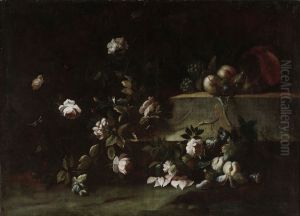
In still life paintings, particularly the "Vanitas" works popular in the 17th century, the inclusion of specific fruits alongside wilting flowers or decaying objects served as a poignant reminder of life's transience and mortality. A peach or a pear might symbolize truth, salvation, or immortality, offering a counterpoint to the fleeting nature of existence. Figs often represent fertility, abundance, and sensuality, while strawberries can convey purity, humility, or even temptation. Understanding the context and the specific arrangement of these elements is crucial to deciphering the artist's full message.
Exploring the rich Symbolism of Fruits enriches our appreciation of art history, allowing us to connect with the intentions and worldviews of past masters. These timeless symbols continue to resonate, inviting viewers to look beyond the surface and engage with the profound layers of meaning embedded within iconic works. As you explore classic art, pay close attention to the fruits depicted; they often hold the key to unlocking the painting's deepest secrets and the artist's most profound insights.
Copyright 2010 - 2025 by NiceArtGallery.com All rights reserved. - Your Paintings of Choice


