Arthur Baker-Clack was a British-born Australian artist known for his contributions to the development of modern art in Australia. Born in London, England, in 1880, he initially pursued a career in a field unrelated to art. It wasn't until he migrated to Australia in the early 20th century that he seriously began to focus on painting as a profession.
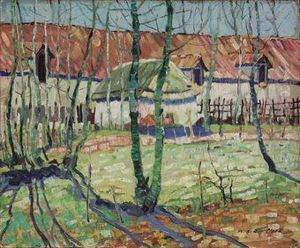
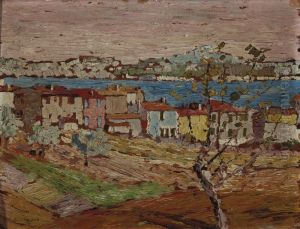
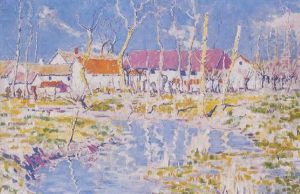
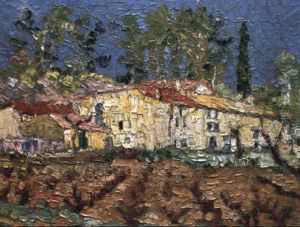
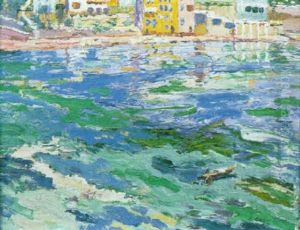
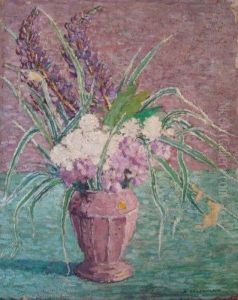
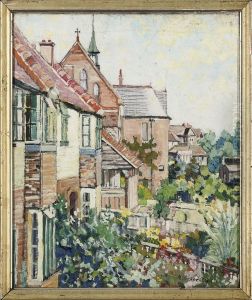
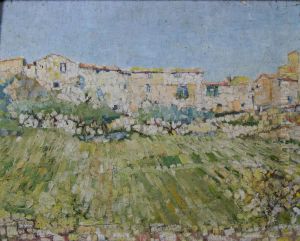
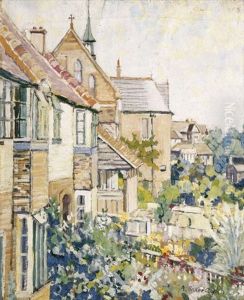
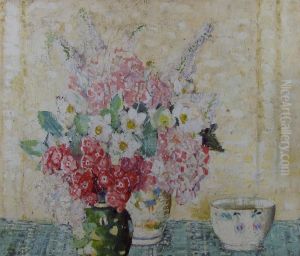
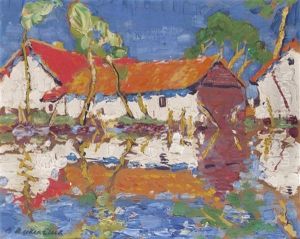
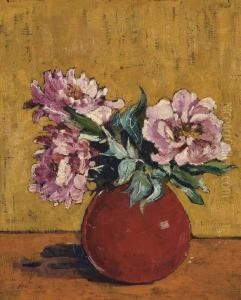
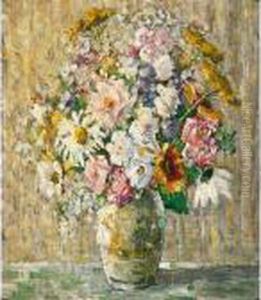
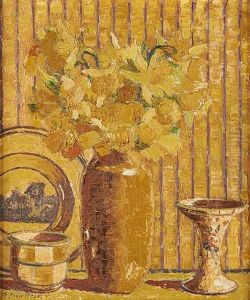
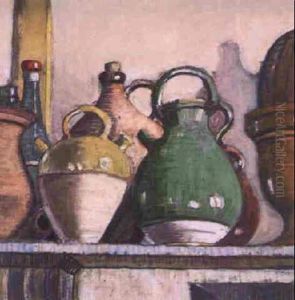
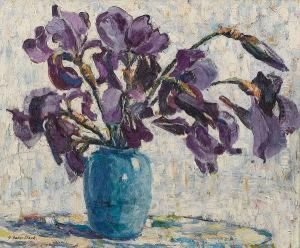
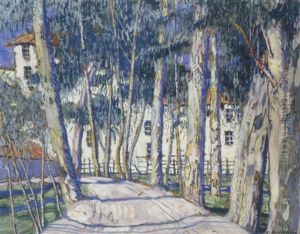
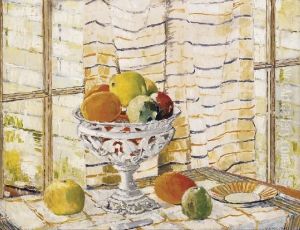
In Australia, Baker-Clack became an integral part of the burgeoning art scene, particularly in Sydney and Adelaide. His early works were influenced by the impressionist movement, characterized by light brushstrokes and a vibrant palette. However, as his career progressed, he began experimenting with post-impressionism and modernist techniques, which significantly influenced the evolution of his style.
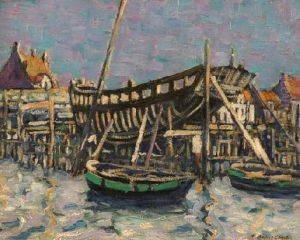
One of the pivotal moments in Baker-Clack's career was his time in France, particularly his stay in Étaples, a commune that attracted numerous artists in the early 20th century. There, he was exposed to the works of French impressionist and post-impressionist artists, which had a profound impact on his artistic development. His experiences in Étaples enriched his understanding of light and color, which became evident in his later works.
Upon returning to Australia, Baker-Clack shared his newfound knowledge and experiences with the Australian art community, contributing to the spread of modernist ideas in the country. He was not just a painter but also a mentor to younger artists, helping to foster a new generation of Australian modernists.
Throughout his career, Arthur Baker-Clack exhibited his works in various galleries and exhibitions, both in Australia and internationally. His contribution to Australian art was not only in his paintings but also in his role in bridging European modernist techniques with Australian subjects and landscapes.
Arthur Baker-Clack passed away in 1967, leaving behind a legacy as one of the early proponents of modernism in Australian art. His works continue to be celebrated for their innovative approach to color and form, and his influence can be seen in the generations of artists that followed him.