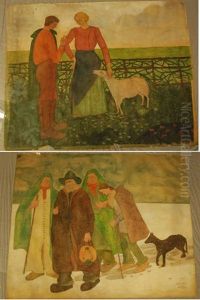
Arthur Craco Paintings


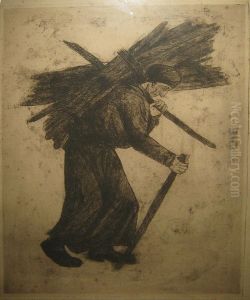
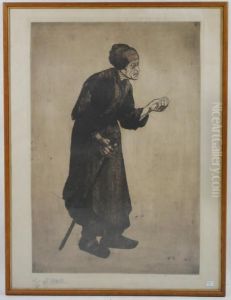
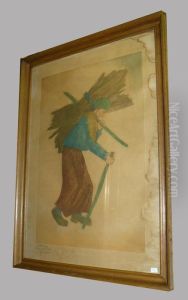
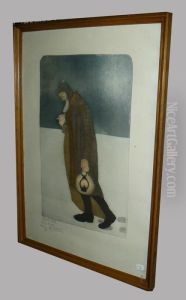
Arthur Craco was a Belgian painter and printmaker, whose work was rooted in Symbolism and who also embraced elements of Impressionism later in his career. Born on October 25, 1869, in Antwerp, Belgium, Craco was known for his ethereal landscapes, figure paintings, and his expressive use of color and light. His works often convey a sense of tranquillity and introspection, reflecting the artist's personal quest for spiritual and aesthetic harmony.

Craco trained at the Royal Academy of Fine Arts in Antwerp, where he was influenced by the Symbolist movement, which was prominent in the late 19th century. Symbolism was characterized by its focus on emotion, spirituality, and the use of metaphorical imagery. Craco's early works exhibit these traits, with a strong emphasis on mood and atmosphere. He was also influenced by the writings of Maurice Maeterlinck, a Belgian playwright, and poet who was a key figure in the Symbolist movement.

Throughout his career, Craco exhibited his work in various shows and was recognized for his artistic contributions. His style evolved over time, and he began to incorporate more light and color into his work, aligning with Impressionist techniques. Despite this evolution, he remained true to his Symbolist roots, and his later works continued to reflect a dreamy, otherworldly quality.

Arthur Craco's contributions to Belgian art were significant during his lifetime, and his works have been collected and exhibited posthumously. Although he may not be as widely known as some of his contemporaries, his paintings are cherished for their unique blend of Symbolism and Impressionism, which capture the mystical and ephemeral qualities of nature and human experience.

Craco passed away on February 1, 1955, in Belgium. Today, his legacy lives on through his artwork, which continues to be displayed in museums and galleries, offering viewers a glimpse into the serene and contemplative world that Craco so skillfully depicted.