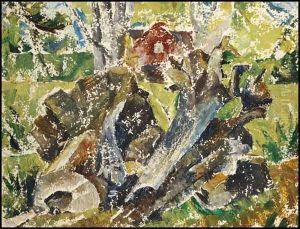
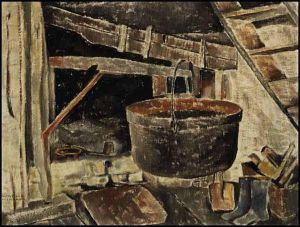
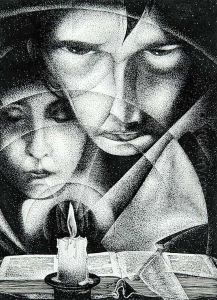
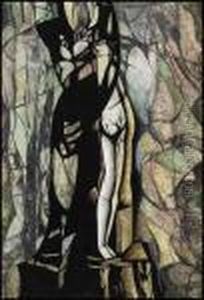
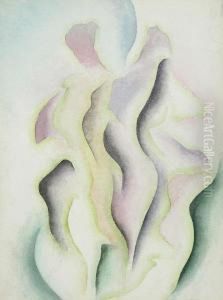
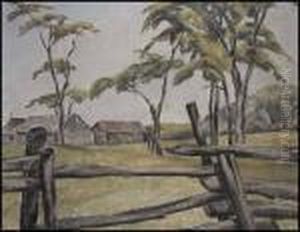
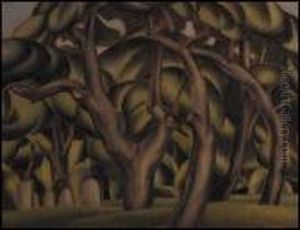
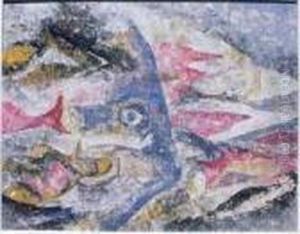
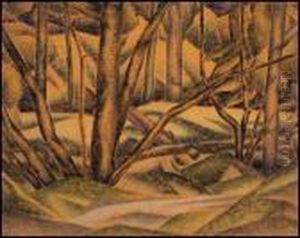
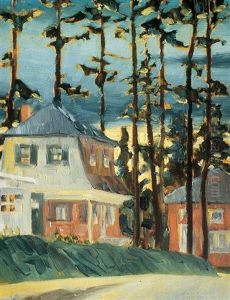
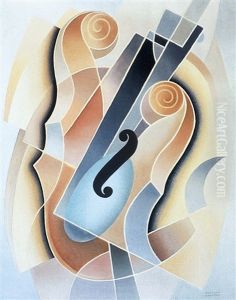
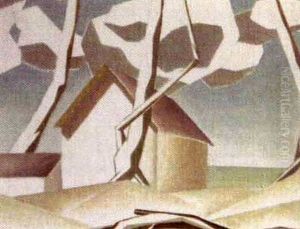
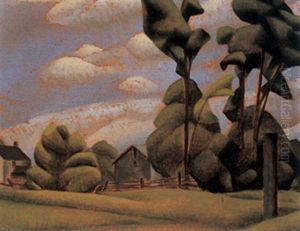
Bertram Richard Brooker, born on March 31, 1888, in Croydon, England, was a versatile Canadian artist, writer, and creative force who played a significant role in the development of abstract art in Canada. Brooker moved to Portage la Prairie, Manitoba, with his family in 1905 and later settled in Toronto. His early career was not directly related to fine arts; instead, he worked in various fields including farming, advertising, and journalism. It wasn't until the 1920s that Brooker began to focus on his painting career.
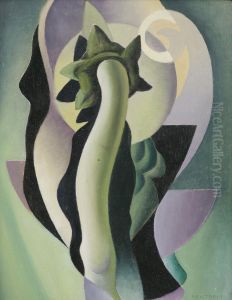
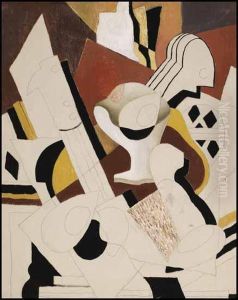
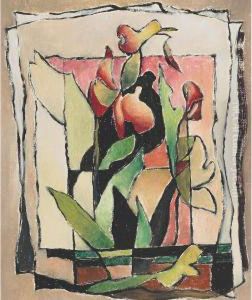
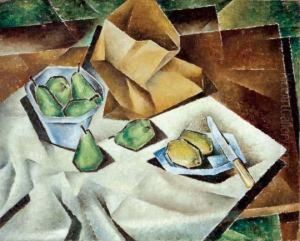
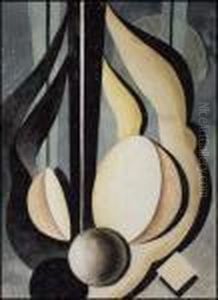
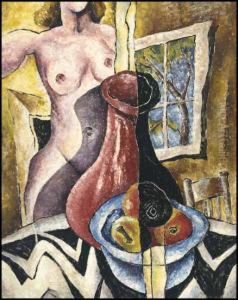
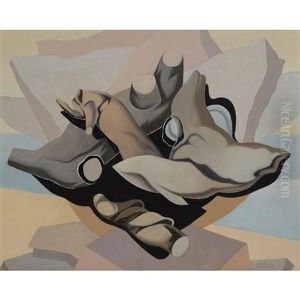
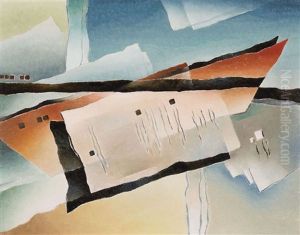
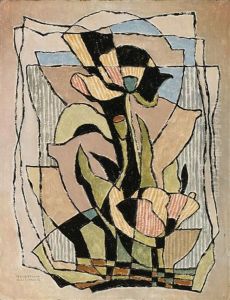
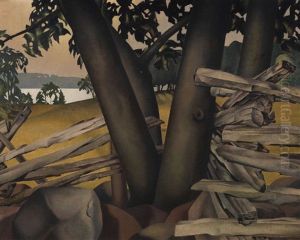
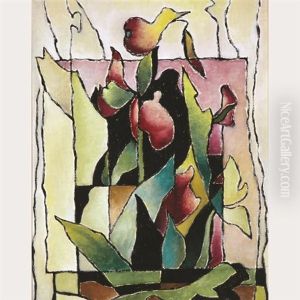
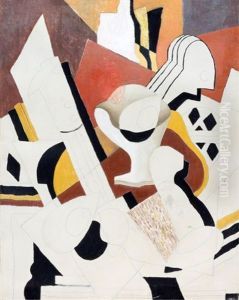
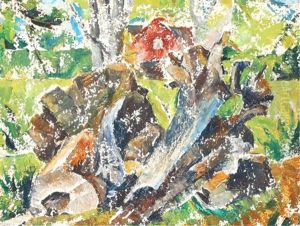
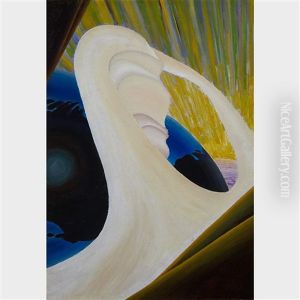
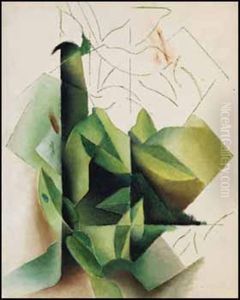
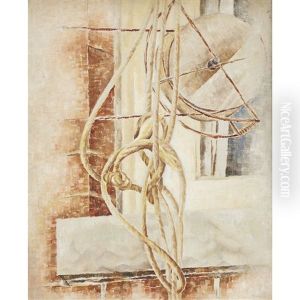
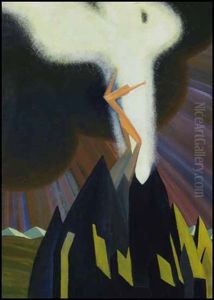
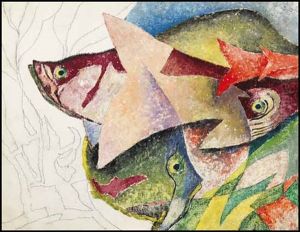
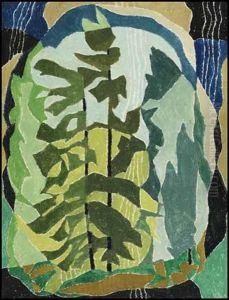
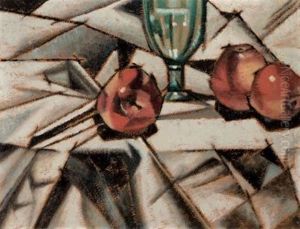
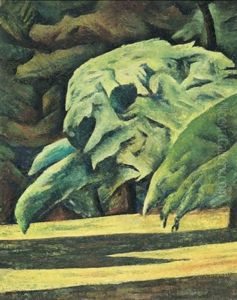
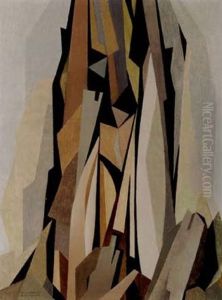
Initially self-taught, Brooker's artistic style was profoundly influenced by his interest in spirituality and theosophy, which is reflected in his abstract works that often explore the relationship between music, painting, and literature. He was among the first Canadian artists to exhibit abstract paintings, challenging the conservative aesthetic norms of the time. In 1927, Brooker won first prize at the Canadian National Exhibition for one of his abstract works, which brought him significant recognition.
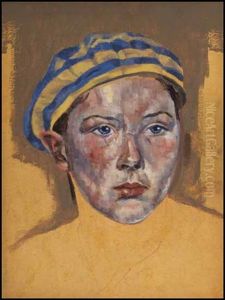
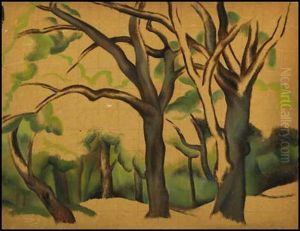
Apart from painting, Brooker was also an accomplished writer and thinker. His literary works include 'Think of the Earth' (1936), a novel that received critical acclaim. He contributed essays and articles to various publications, discussing art, spirituality, and the role of creativity in society.
Throughout his life, Brooker continued to advocate for the acceptance and understanding of abstract art in Canada. He was associated with a group of Toronto-based artists known as the Group of Seven, although he was never an official member. His work was exhibited alongside theirs, and he shared similar goals in terms of fostering a distinct Canadian artistic identity.
Bertram Richard Brooker passed away on March 22, 1955, in Toronto. His legacy is that of a pioneer in Canadian abstract art, and his contributions to the cultural landscape of Canada extend beyond his paintings to his writings and his efforts to encourage a deeper appreciation of the arts.