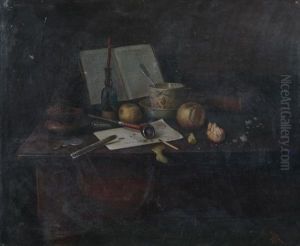
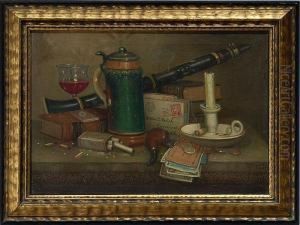
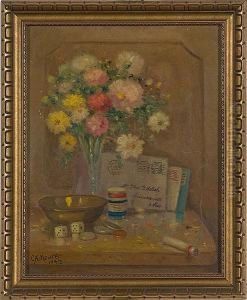
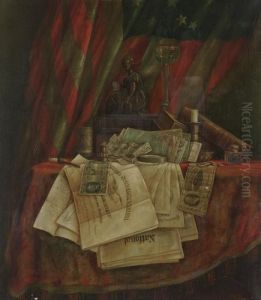
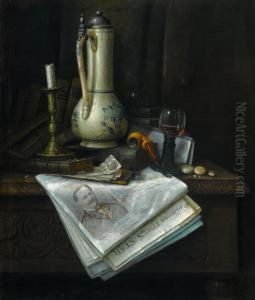
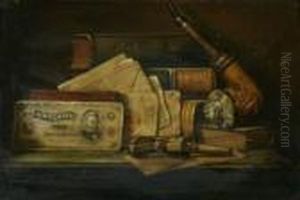
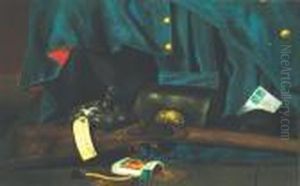
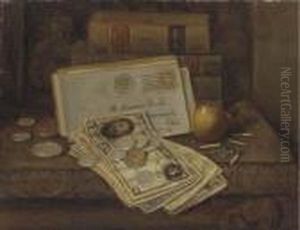
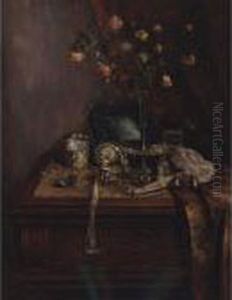
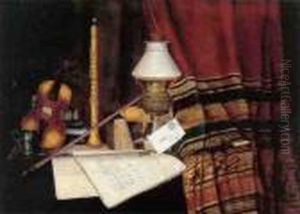
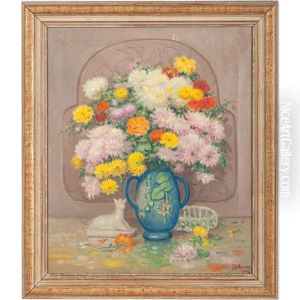
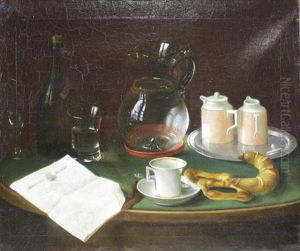
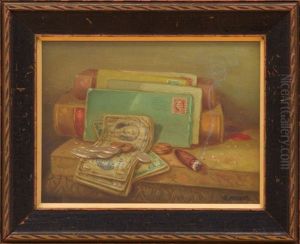
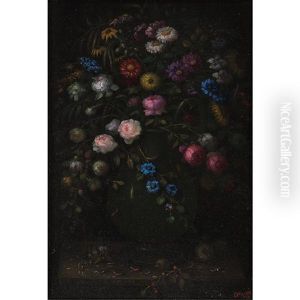
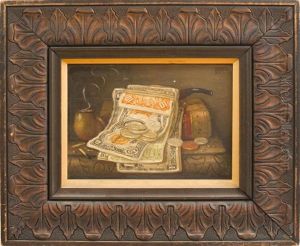
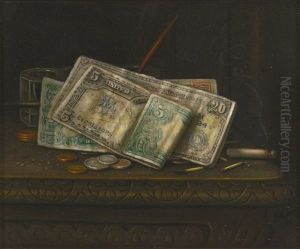
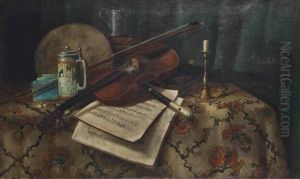
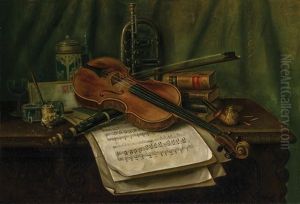
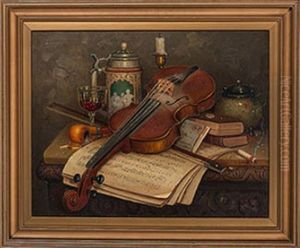
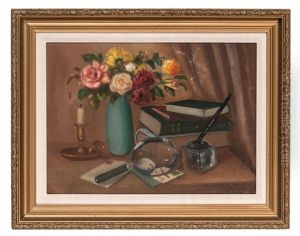
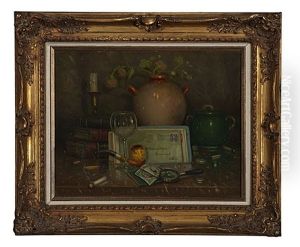
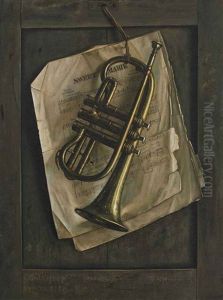
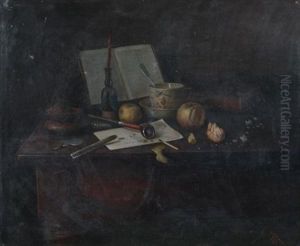
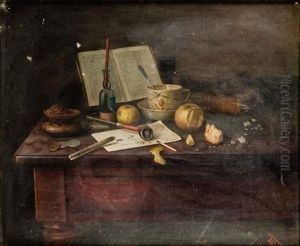
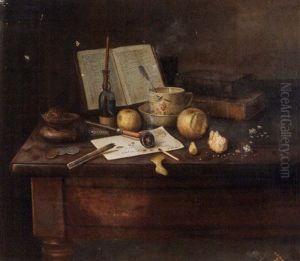
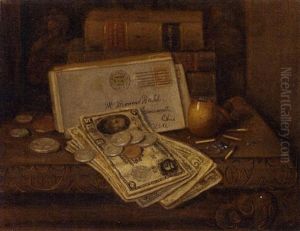
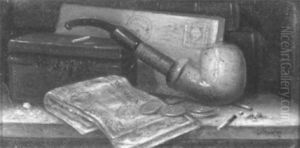
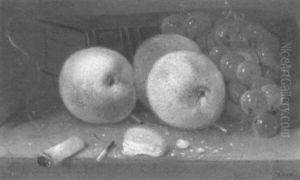
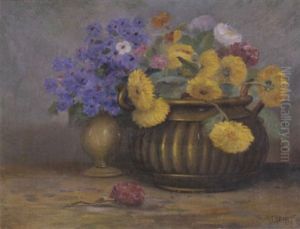
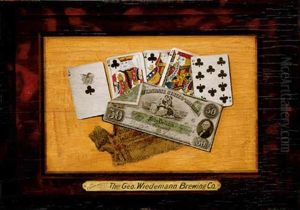
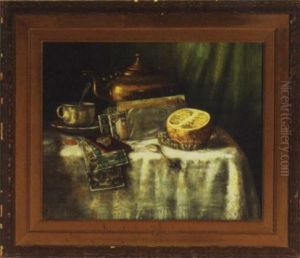
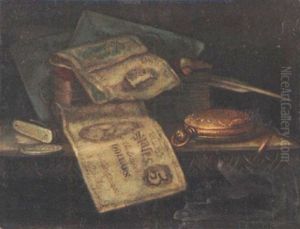
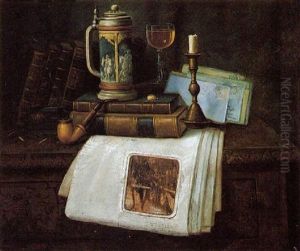
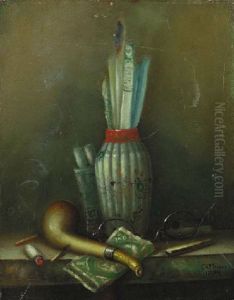
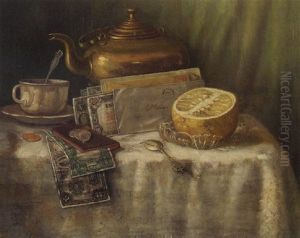
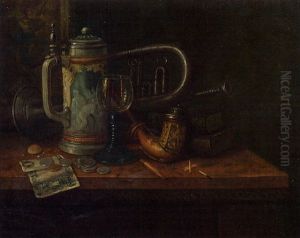
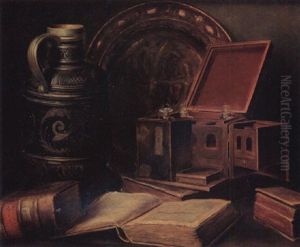
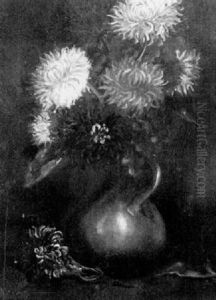
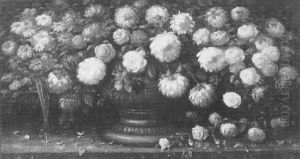
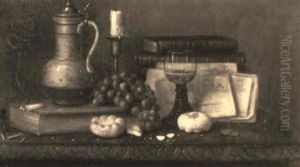
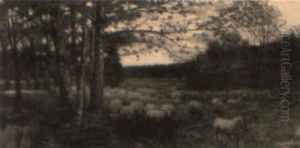
Charles Alfred Meurer was an American painter, born in Germany in 1865 before moving to the United States. He is renowned as the last link to the Cincinnati Golden Age of Art and is often remembered for his detailed still life paintings, particularly his trompe l'oeil style, which translates to 'deceive the eye' in French. This style is characterized by its realistic imagery that creates the optical illusion that the depicted objects exist in three dimensions.
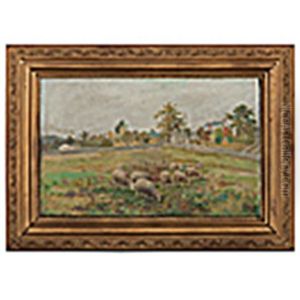
Meurer settled in Terrace Park, Ohio, where he dedicated much of his life to his art. His journey into the world of art began at a young age, and by the time he was in his early twenties, he had already made a name for himself. He studied at the Art Academy of Cincinnati and later in Europe, which was a common practice for aspiring American artists of his time, seeking to refine their skills and broaden their perspectives.
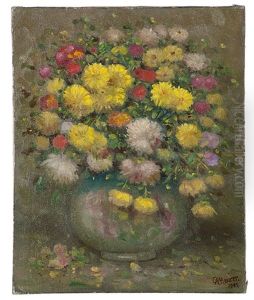
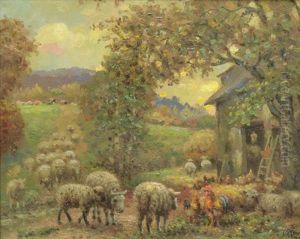
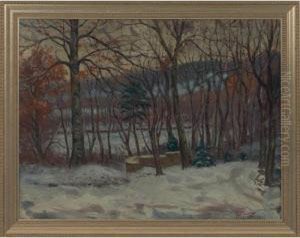
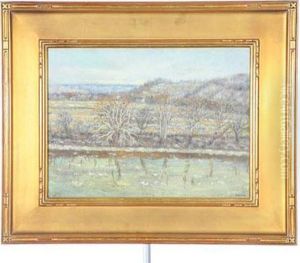
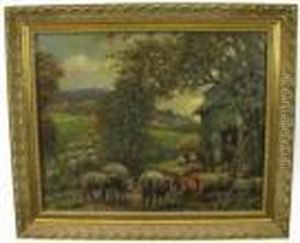
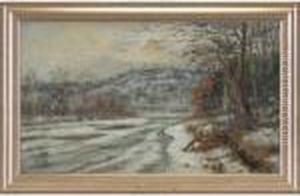
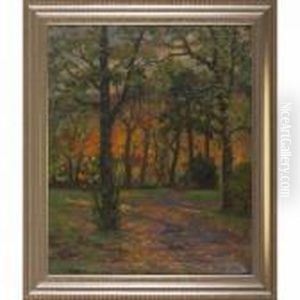
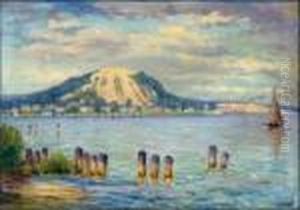
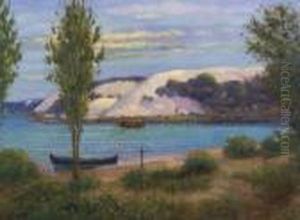
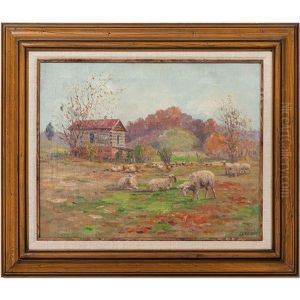
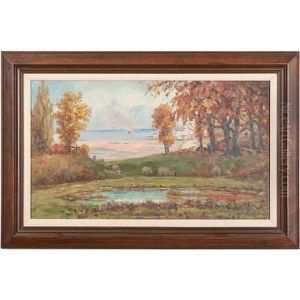
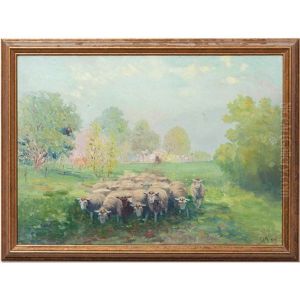
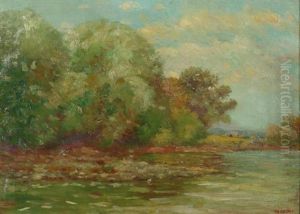
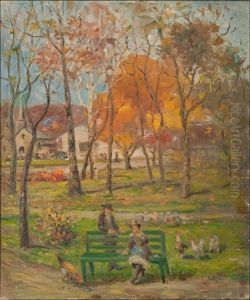
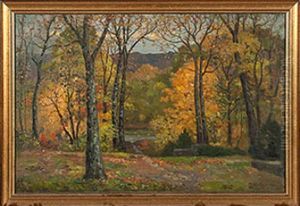
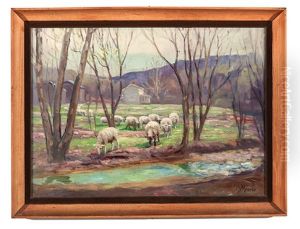
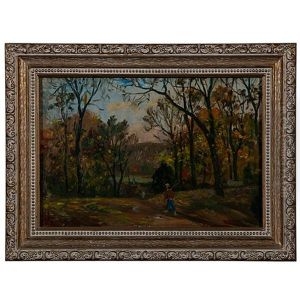
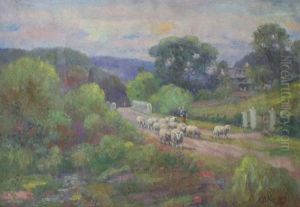
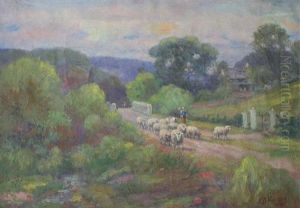
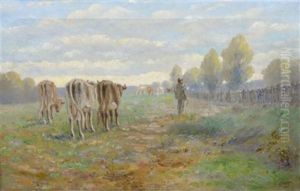
Throughout his career, Meurer participated in numerous exhibitions and won several awards, which helped to cement his reputation as a leading figure in the American art scene. His works were not only appreciated for their technical skill but also for their ability to evoke thought and emotion. Meurer was a master at capturing the essence of his subjects, whether they were inanimate objects in his still lifes or the landscapes and portraits he occasionally painted.
In addition to his paintings, Meurer contributed to the art world through teaching, sharing his knowledge and skills with the next generation of artists. His legacy is preserved in various collections and museums across the United States, ensuring that his contributions to American art continue to be celebrated.
Charles Alfred Meurer passed away in 1955, leaving behind a body of work that continues to inspire and captivate audiences. His dedication to realism and skill in trompe l'oeil has secured his place in art history as an important figure in the transition from traditional to more innovative approaches in American art.