Charles William Dahlgreen Paintings


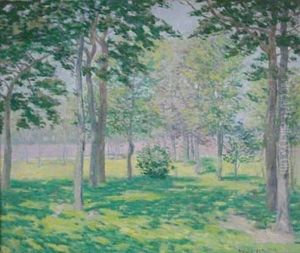
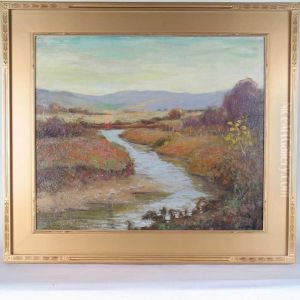
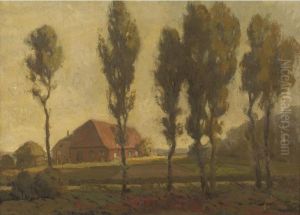
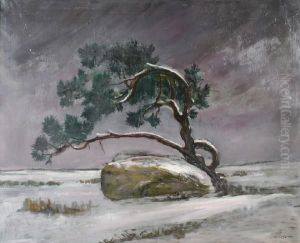
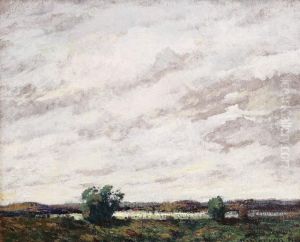
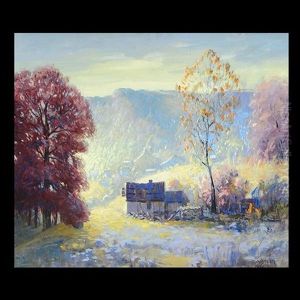
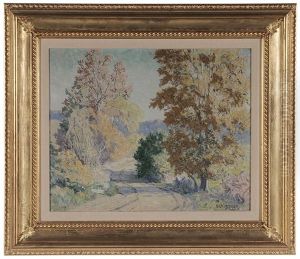
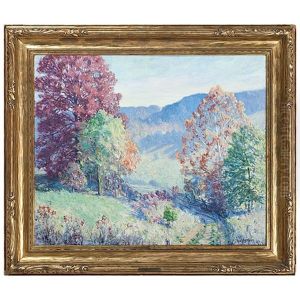
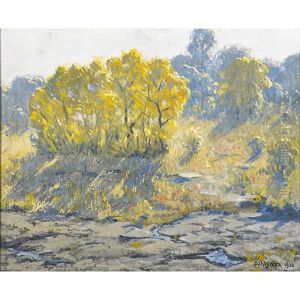
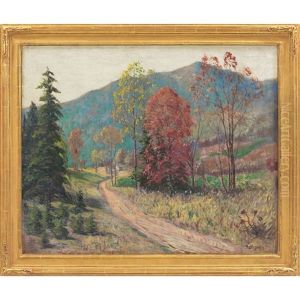
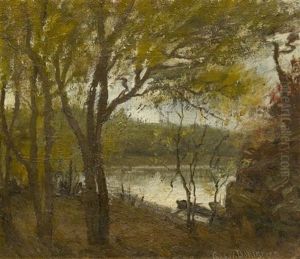
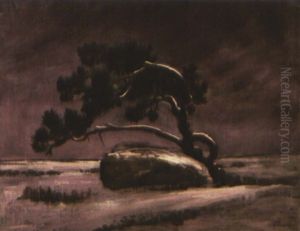
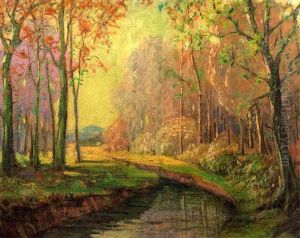
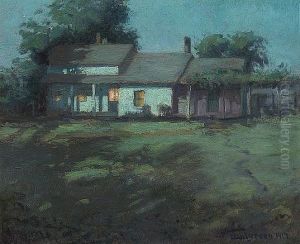
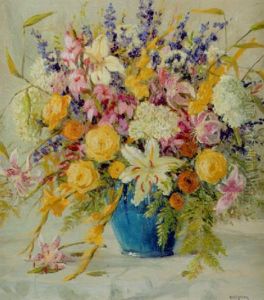
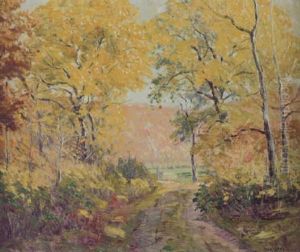
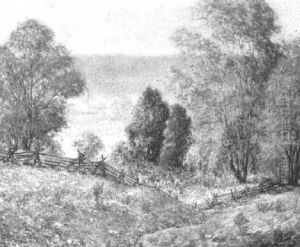
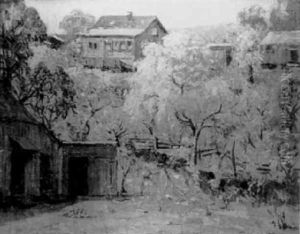
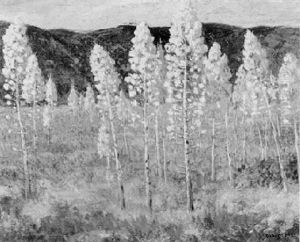
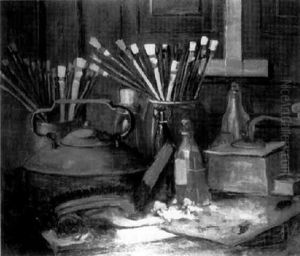
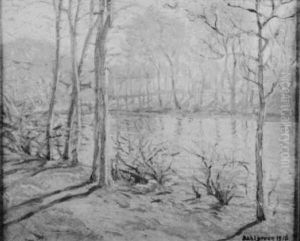
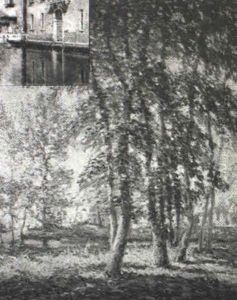
Charles William Dahlgreen was an American artist known for his landscape paintings and etchings. Born on November 9, 1864, in Burlington, Iowa, Dahlgreen showed an early interest in art, which he pursued throughout his life. Although not as widely recognized as some of his contemporaries, Dahlgreen made significant contributions to the American art scene during the late 19th and early 20th centuries.

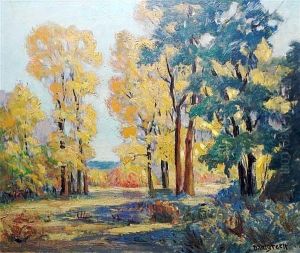
Dahlgreen's artistic journey began with his studies at the Chicago Academy of Design, which later became the Art Institute of Chicago. He was influenced by the tonalist style, which emphasized mood and atmosphere in landscape art, often through the use of muted color palettes and an emphasis on the depiction of light.

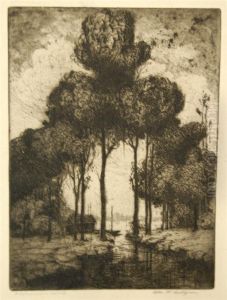
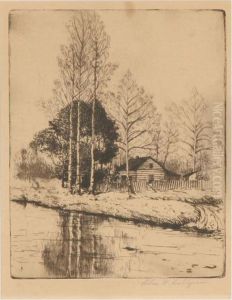
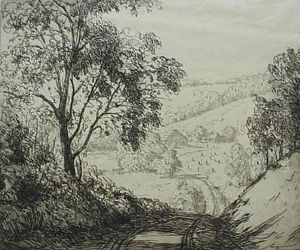
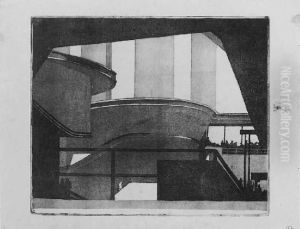
In the early 20th century, Dahlgreen's work evolved to include etchings, a form of printmaking that allowed him to explore the intricacies of landscapes in a new way. His etchings were characterized by their fine detail and subtle gradations of tone. Dahlgreen was part of the etching revival in America, which saw a renewed interest in the medium after it had waned in popularity.

Throughout his career, Dahlgreen exhibited his work in various locations, including the Panama-Pacific International Exposition in 1915, where he was awarded a bronze medal. His work is held in several museum collections, notably the Art Institute of Chicago and the Smithsonian American Art Museum.

Charles William Dahlgreen's dedication to landscape art helped to capture the American Midwest's natural beauty and rural settings. He passed away on September 22, 1955, leaving behind a legacy of tranquil and evocative landscapes that continue to be appreciated by art enthusiasts and collectors alike.