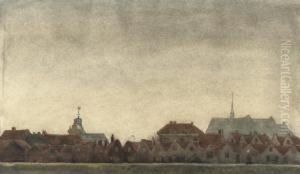
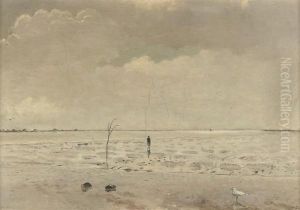
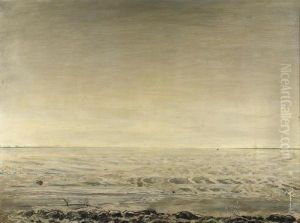
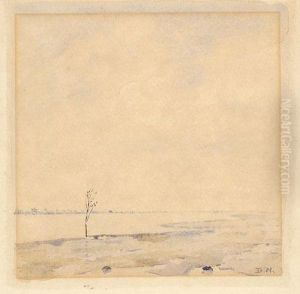
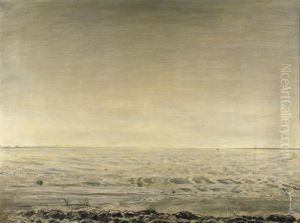
Dirk Nijland was a Dutch artist known for his diverse skills, which included painting, drawing, and graphic work. Born on July 9, 1881, in Dordrecht, the Netherlands, Nijland was the son of a shipping magnate. He received his initial artistic training at the Academy of Fine Arts in Rotterdam and later studied at the Royal Academy of Art in The Hague.
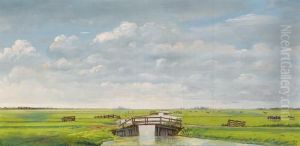
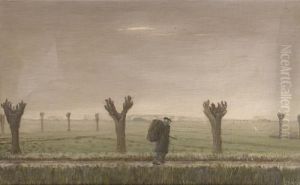
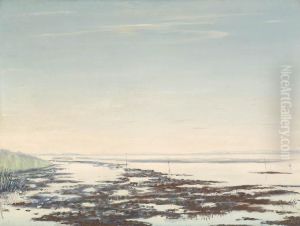
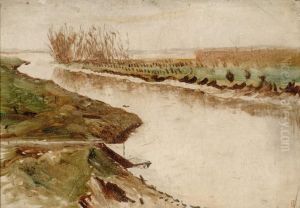
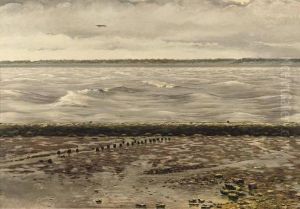
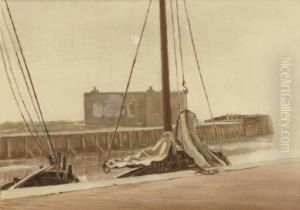
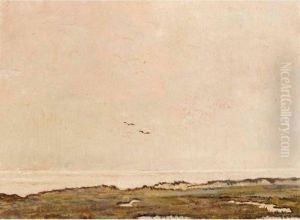
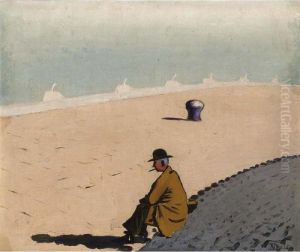
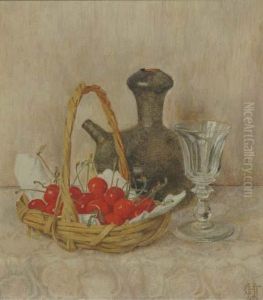
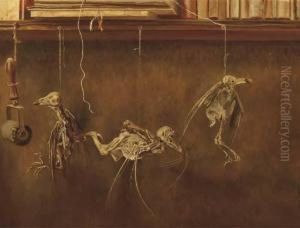
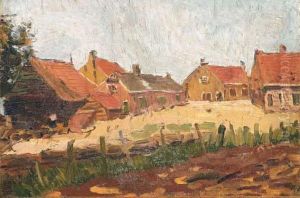
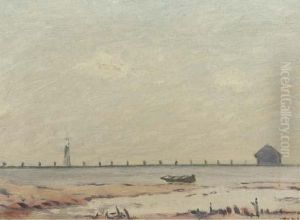
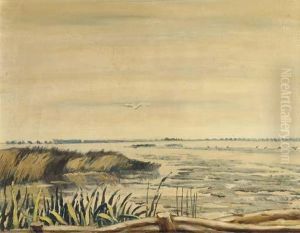
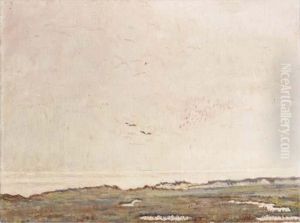
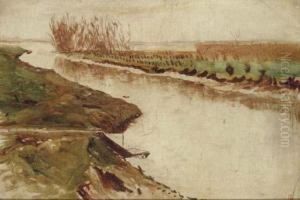
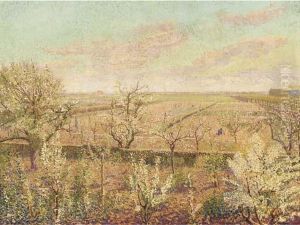
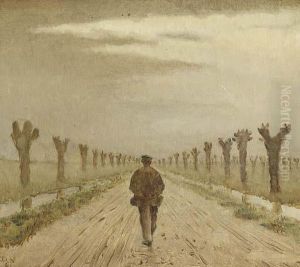
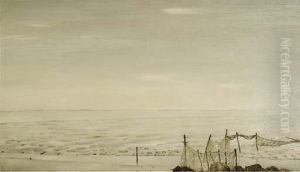
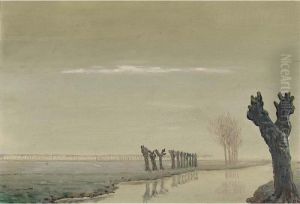
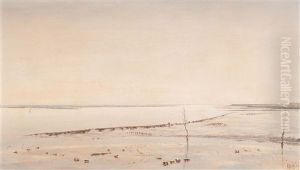
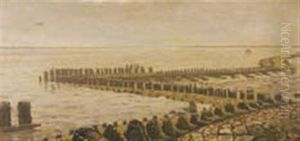
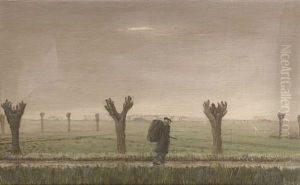
Throughout his career, Nijland was influenced by various art movements but did not strictly adhere to one particular style. His early works were characterized by Symbolism and Art Nouveau influences, while later in his career, he developed an interest in the Constructivist and De Stijl movements. However, he maintained a distinctive personal style that often incorporated elements of the Dutch landscape and marine scenes reflecting his upbringing in a port city.
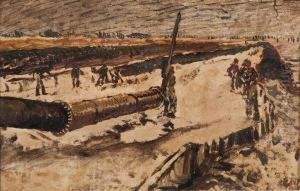
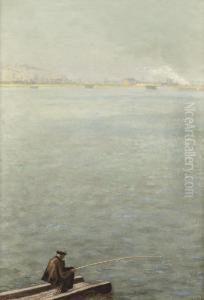
Nijland's work was not limited to paintings; he was also an accomplished draftsman and printmaker. He often depicted scenes of labor and industry, showing a keen interest in the working life of fishermen and farmers. His graphic work was highly detailed, displaying his technical skill and precision.
During his lifetime, Dirk Nijland was a member of several artistic societies, including 'Arti et Amicitiae' and the 'Hollandse Aquarellistenkring'. He exhibited his works widely in the Netherlands and also gained recognition in international expositions.
After a fruitful career, Dirk Nijland passed away on May 5, 1955, in Wassenaar, the Netherlands. His legacy is preserved through his artworks, which are part of collections in various Dutch museums, including the Dordrechts Museum in his hometown. Nijland's contribution to Dutch art is recognized for its depiction of the country's spirit through a unique blend of traditional subjects and modernist aesthetics.