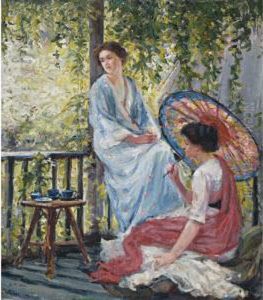
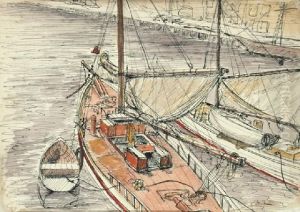
Dora Meeson was an Australian-born artist known for her painting and activism. Born on December 18, 1869, in Melbourne, Victoria, she was the daughter of George Gordon Meeson, a bank manager, and Elizabeth Meeson. Dora showed early artistic talent and pursued her passion for art by studying at the National Gallery of Victoria Art School in Melbourne. She was a contemporary of artists like Frederick McCubbin and Rupert Bunny, who were also significant figures in the Australian art scene of the time.
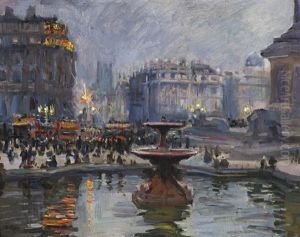
In 1898, Meeson moved to Europe to further her art education and establish her career. She settled in London and studied at the Royal Academy Schools, where she honed her skills and embraced the techniques of Impressionism, which was then a modern art movement. Throughout her career, Dora Meeson's work was exhibited at prestigious institutions, including the Royal Academy in London and the Paris Salon.
Aside from her artistic achievements, Dora Meeson is also remembered for her role in the women's suffrage movement in the United Kingdom. She was an active member of the Suffragette movement and used her art to create political statements. One of her notable works is a banner she painted for the suffrage campaign, which became an icon of the movement and is now part of the collection at the Museum of London.
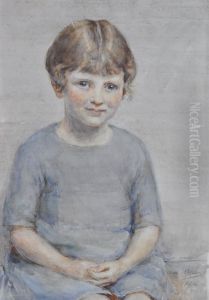
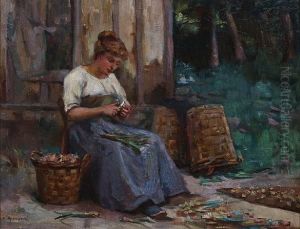
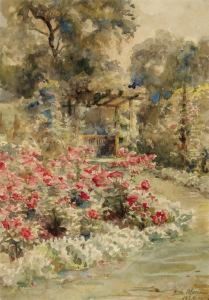
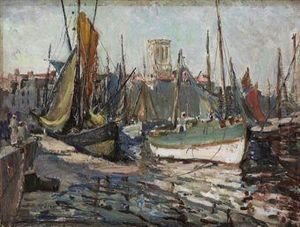
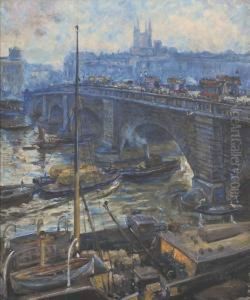
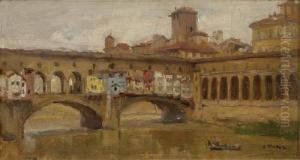
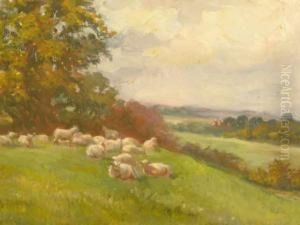
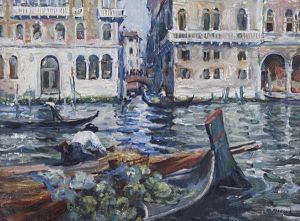
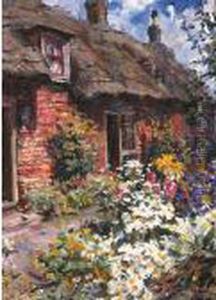
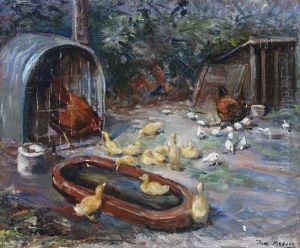
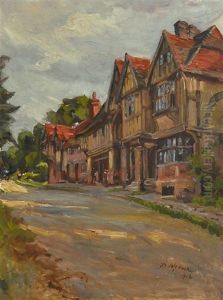
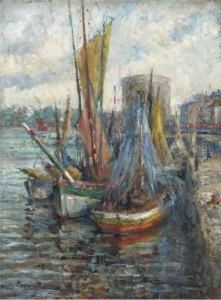
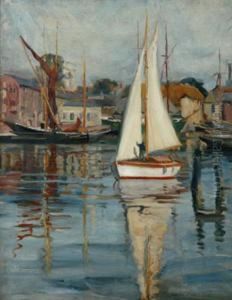
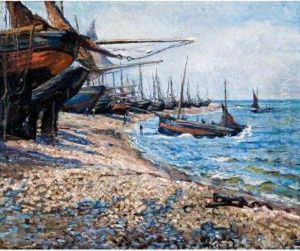
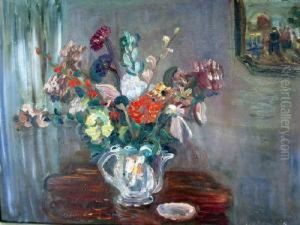
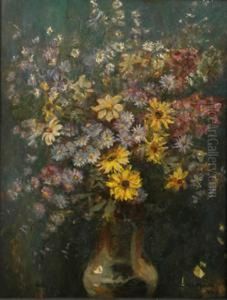
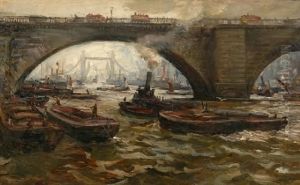
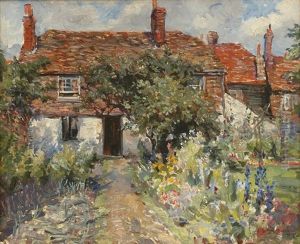
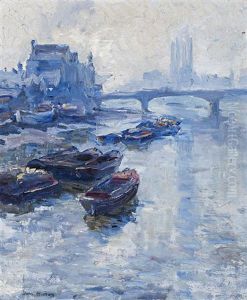
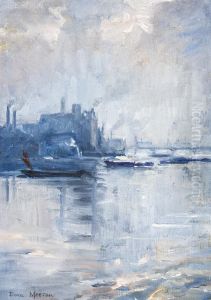
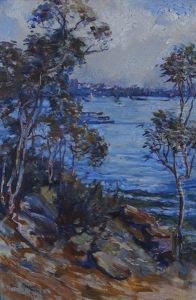
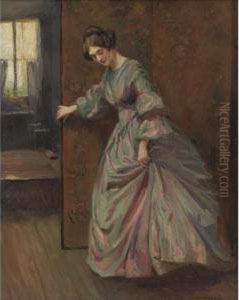
Dora Meeson married fellow artist George Coates in 1903, and they lived and worked together for many years. Her marriage did not impede her artistic output, and she continued to paint and exhibit her works. Meeson's subjects varied from landscapes to figures, and she often depicted scenes of the Thames and other English landscapes with a light and vibrant palette.
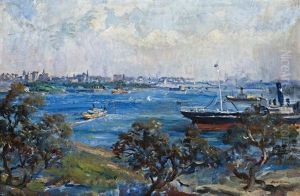
After World War I, Meeson and her husband returned to Australia several times, and during these visits, she exhibited her work and became involved in the Australian art community. Despite her international success, she maintained strong ties to her Australian roots.
Dora Meeson Coates, as she was known after her marriage, continued to paint into her later years. She passed away on October 13, 1955, in Hastings, England. Her legacy lives on through her contributions to art and her efforts in the fight for women's rights. Her works are represented in various public collections, including the National Gallery of Australia and the Museum of London, highlighting her enduring impact on the art world.