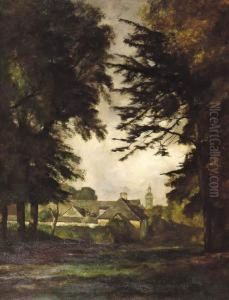
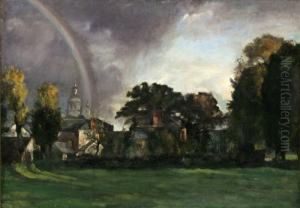
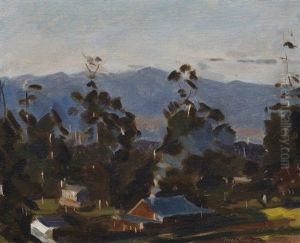
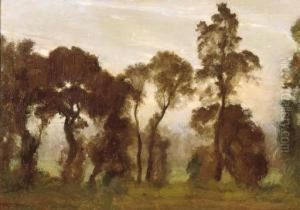
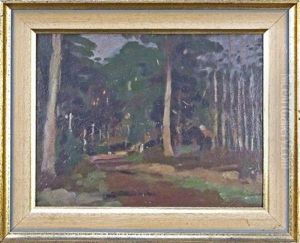
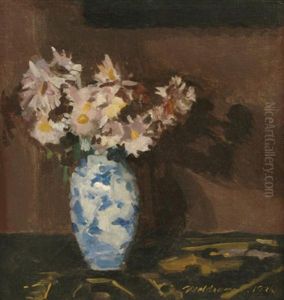
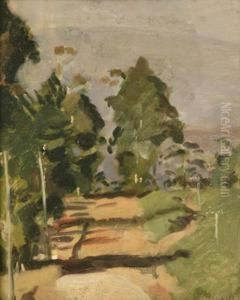
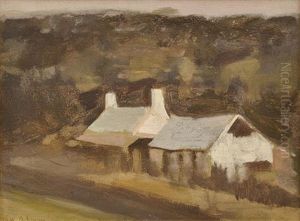
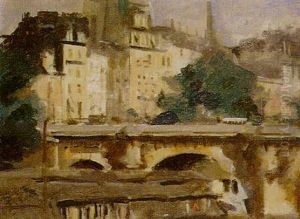
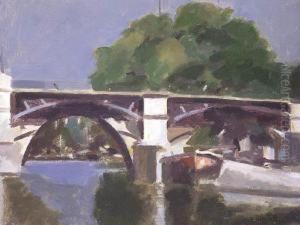
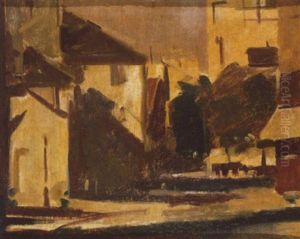
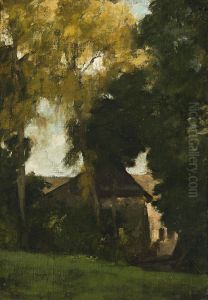
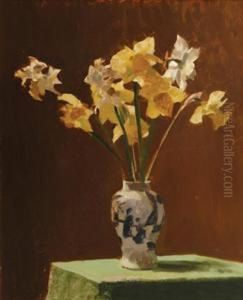
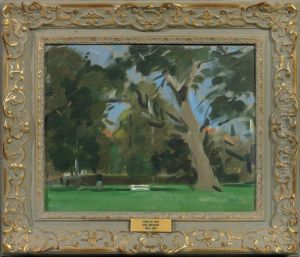
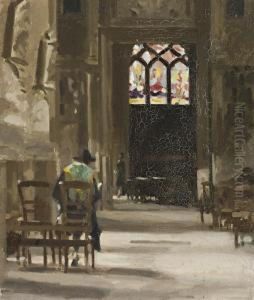
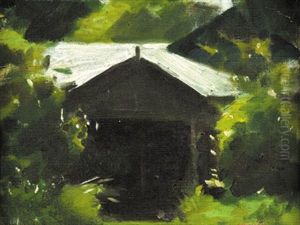
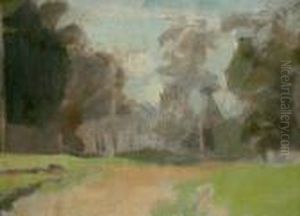
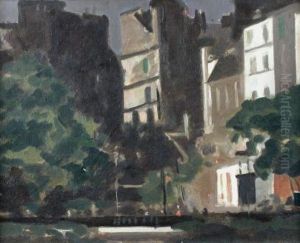
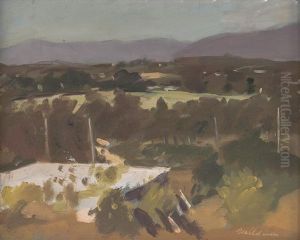
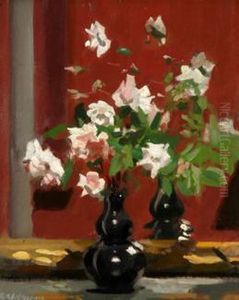
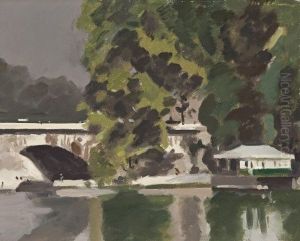
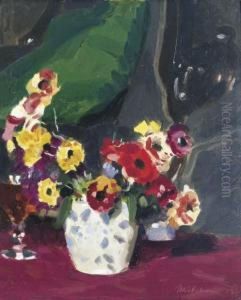
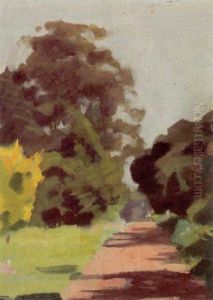
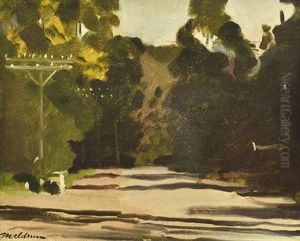
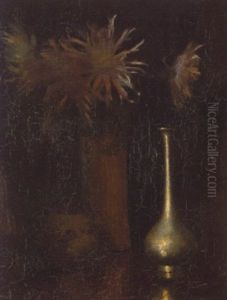
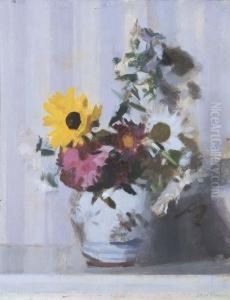
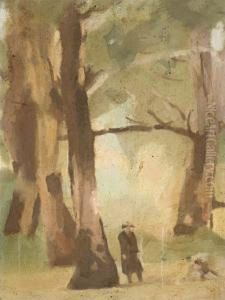
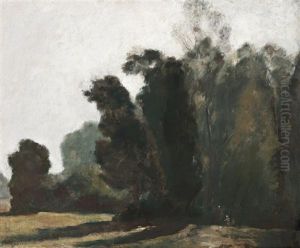
Duncan Max Meldrum was an Australian painter renowned for his contribution to tonalism within Australian art. Born on February 7, 1875, in Edinburgh, Scotland, Meldrum moved to Australia with his family in 1889, settling in Melbourne. He showed an early interest in art and pursued his education at the National Gallery of Victoria Art School, where he studied under Frederick McCubbin and Bernard Hall.
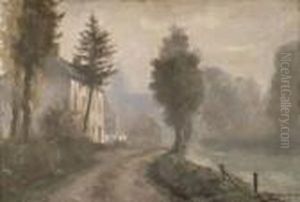
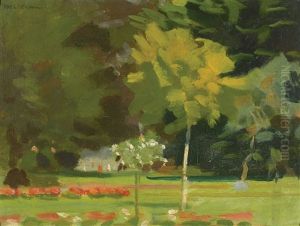
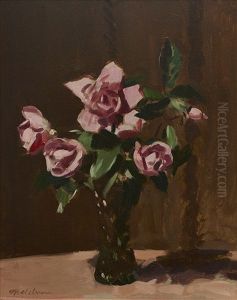
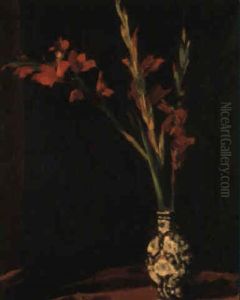
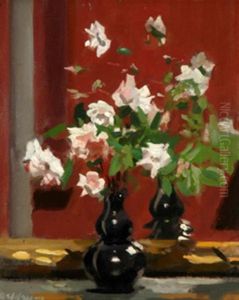
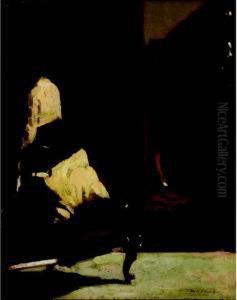
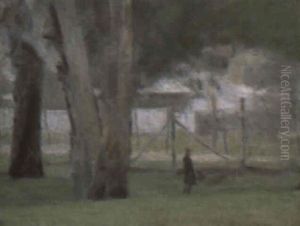
Meldrum's early work was influenced by Impressionism, but he gradually developed his distinct style focused on tone rather than color. After a period in Europe from 1899 to 1912, where he studied at Académie Julian in Paris, he was particularly influenced by the works of Whistler and Velázquez. His exposure to European art greatly influenced his technique and philosophy.
Meldrum advocated for the 'science of appearances', which emphasized the accurate rendering of tone, form, and atmosphere in painting. This approach was somewhat controversial, as it challenged the more color-focused practices prevalent among Australian artists at the time. In 1919, he published his influential book 'The Science of Appearances', which outlined his theories and solidified his position as a leading figure in tonalism.
Returning to Melbourne in 1912, Meldrum began teaching and quickly established a significant following. His disciples, often referred to as the Meldrum School, included notable Australian artists such as Colin Colahan and Justus Jorgensen.
Throughout his career, Meldrum achieved significant recognition. He won the prestigious Archibald Prize in 1939 and 1940, which is awarded annually to the best portrait, 'preferentially of some man or woman distinguished in art, letters, science or politics,' painted by any artist resident in Australasia.
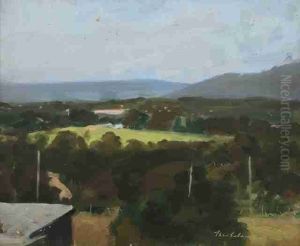
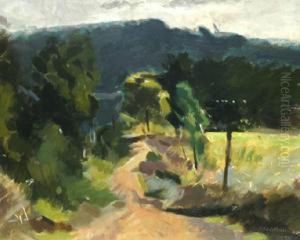
Meldrum's approach to art was methodical and scientific, and his teachings have had a lasting impact on Australian art, particularly in the realm of portraiture and landscape painting. His works are held in major Australian public collections, including the National Gallery of Victoria and the Art Gallery of New South Wales.
Duncan Max Meldrum passed away on December 6, 1955, in Melbourne, leaving behind a legacy as a pivotal figure in Australian art history, particularly for his role in the development and dissemination of tonalism.