Emil Beithan Paintings


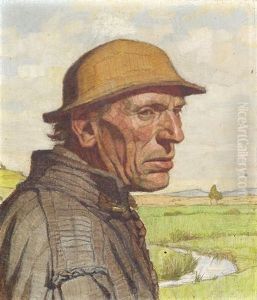
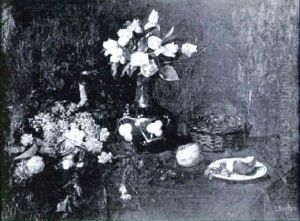
Emil Beithan was a German painter, primarily known for his landscape and maritime paintings. Born on March 27, 1878, in Halle an der Saale, Germany, he developed an interest in art at an early age and pursued his passion through formal education. He studied at the Royal Academy of Arts in Berlin, where he honed his skills and was influenced by various art movements of the time, including Impressionism and Realism.

Beithan's work often depicted natural scenes, focusing on the play of light and shadow in different environments. His paintings showed a fascination with the changing seasons and the various moods of the sea, which he captured with a deft use of color and brushwork. Although he was not as widely known as some of his contemporaries, Beithan's paintings were appreciated for their technical skill and emotive qualities.

Throughout his career, Emil Beithan remained active in the German art scene, participating in exhibitions and becoming a member of art associations. His work received recognition in various art circles, and he enjoyed a degree of commercial success. However, much like many artists of his era, his life and career were impacted by the two World Wars, which brought about significant challenges and changes to the cultural landscape of Germany.

After World War II, Beithan continued to paint, although the art world had undergone dramatic changes, with new movements such as Abstract Expressionism and Surrealism gaining prominence. Despite these shifts, he remained true to his style, continuing to produce landscapes and seascapes that reflected his enduring love for nature.

Emil Beithan passed away on February 3, 1955. While he may not have achieved the same level of fame as some of his peers, his work remains a testament to his skill as a painter and his dedication to capturing the beauty of the natural world. Today, his paintings can be found in various art collections and are occasionally displayed in exhibitions focusing on German art from the late 19th and early 20th centuries.