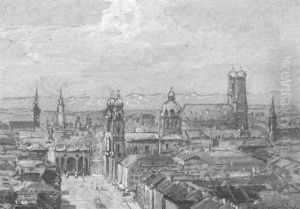
Fritz Bayerlein Paintings


Fritz Bayerlein was a German artist known for his paintings and contributions to the field of art during the late 19th and early 20th centuries. Born on July 14, 1872, in Nuremberg, Germany, he studied at the Academy of Fine Arts in Munich. During his time at the academy, Bayerlein was influenced by the teachings of classical art and the emphasis on traditional techniques.

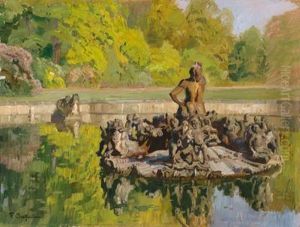
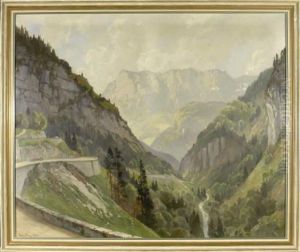
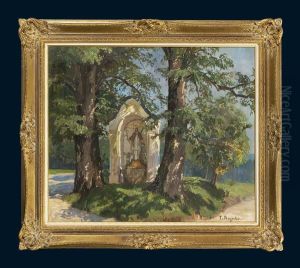
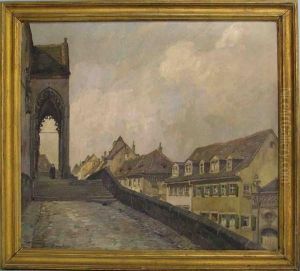
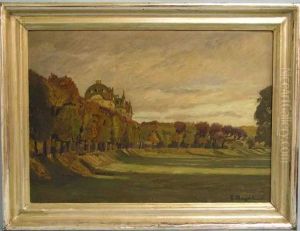
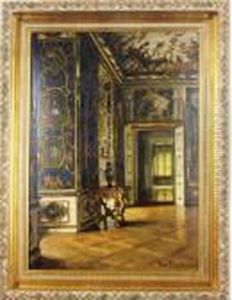
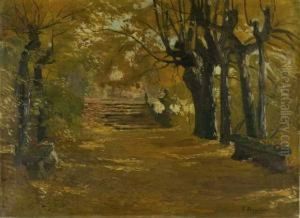
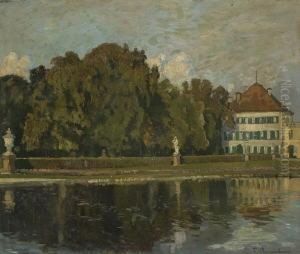
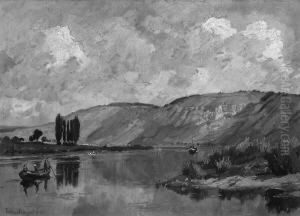
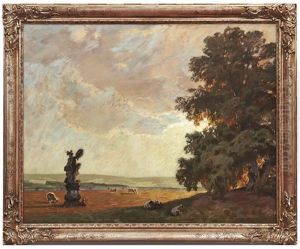
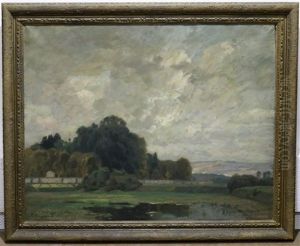
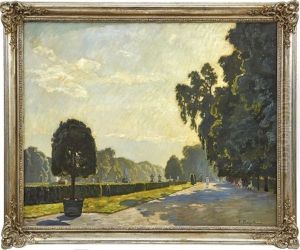
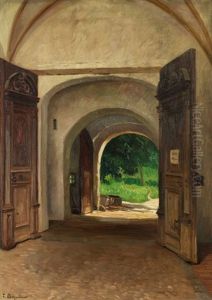
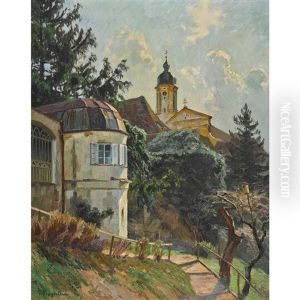
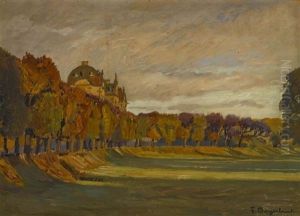
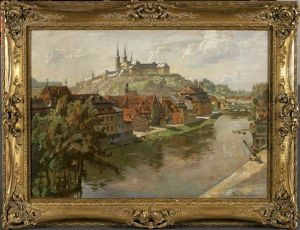
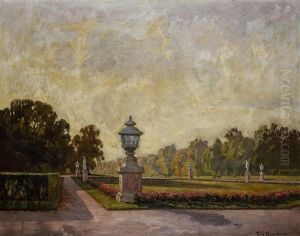
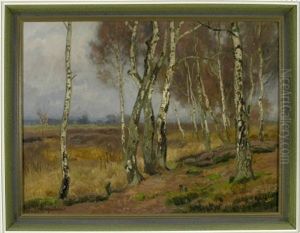
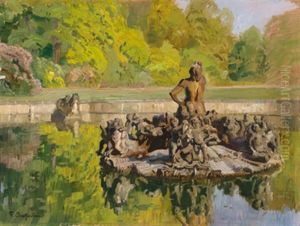
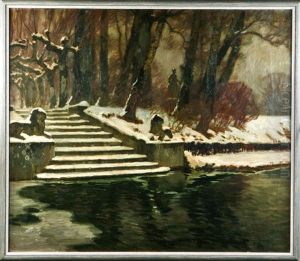
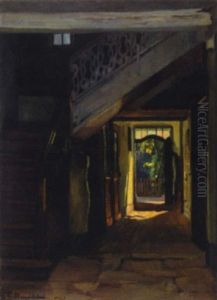
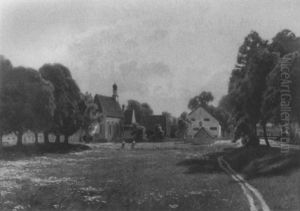
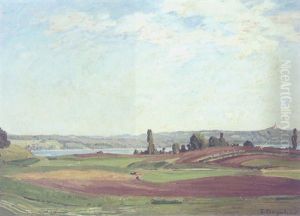
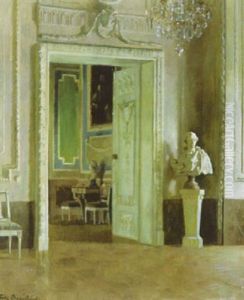
His early work primarily focused on religious themes, reflecting his deep connection with Christian iconography. However, as his career progressed, Bayerlein expanded his repertoire to include landscapes, portraits, and genre scenes. His style evolved over the years, incorporating elements of Impressionism and Realism, which was evident in his use of light and attention to detail.
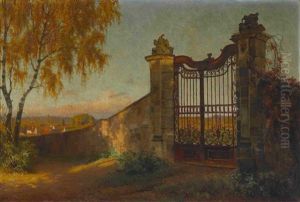

Throughout his lifetime, Fritz Bayerlein participated in numerous exhibitions and gained recognition for his artistic abilities. His works were appreciated for their emotional depth and technical precision, which earned him a place among the notable artists of his time. Despite being less well-known today, Bayerlein's contributions to the art world during his era were significant, as he was part of a broader movement of German artists who were exploring new ways of expression and breaking away from the strict academic rules that had dominated the art scene.

Fritz Bayerlein passed away on January 20, 1955, in Munich. His legacy continues through his artworks, which are held in various collections and museums, serving as a testament to his skills and the artistic trends of his generation.