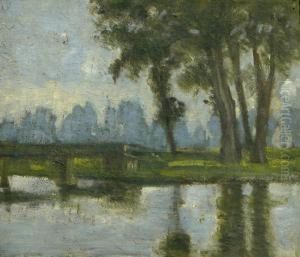
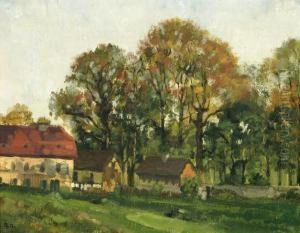
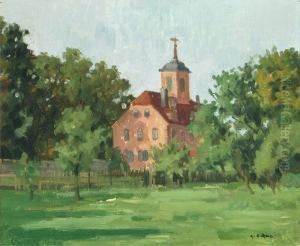
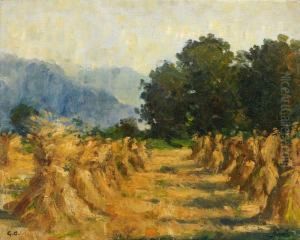
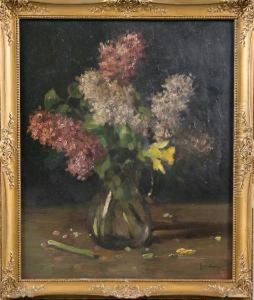
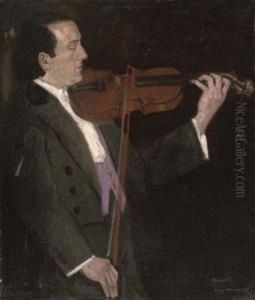
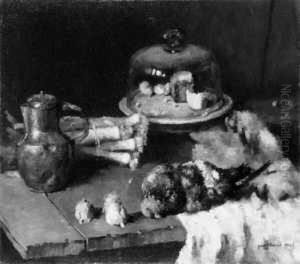
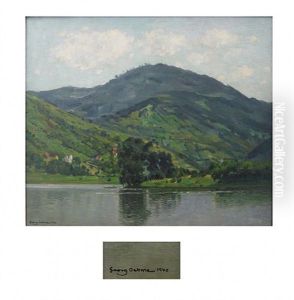
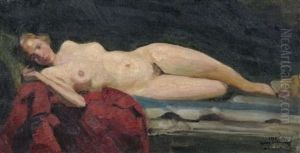
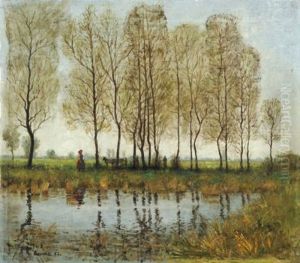
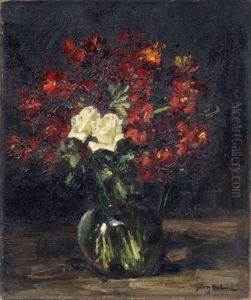
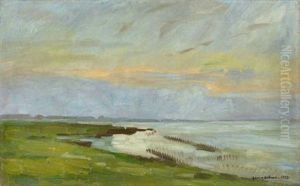
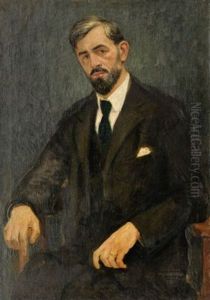
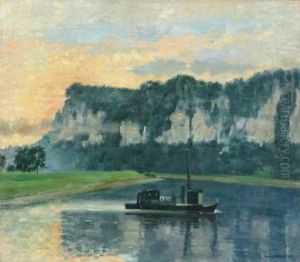
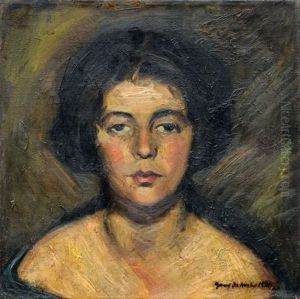
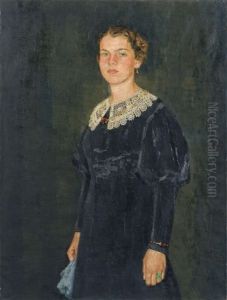
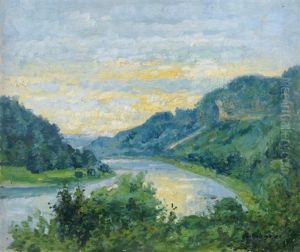
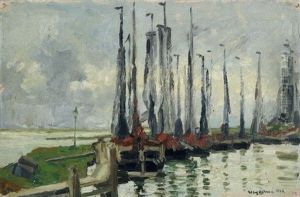
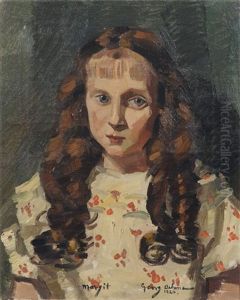
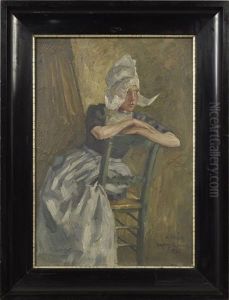
Georg Egmont Oehme was a German painter and graphic artist, known for his landscapes and expressive coloration. Born on February 22, 1890, in Dresden, Germany, Oehme grew up in an atmosphere that was rich in cultural and artistic heritage. Dresden, being a hub of artistic activity in Germany at the time, provided a fertile ground for Oehme's early interest in art.
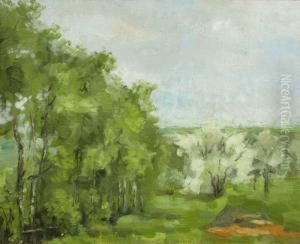
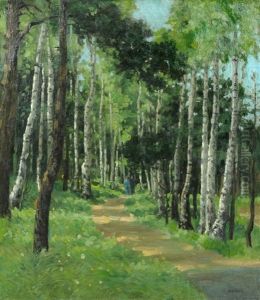
He studied at the Dresden Academy of Fine Arts, where he was influenced by the works of the early Romantic painter Caspar David Friedrich. Oehme's style, however, diverged from Friedrich's contemplative landscapes, as he was more interested in capturing the emotional resonance of nature through vivid colors and dynamic compositions.
During World War I, Oehme served in the German military, and his experiences during the war had a profound impact on his artistic vision. Post-war, he returned to Dresden and became a part of the city's vibrant art scene. He participated in several exhibitions and was associated with other German artists who were exploring expressionist tendencies.
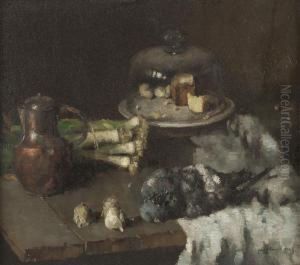
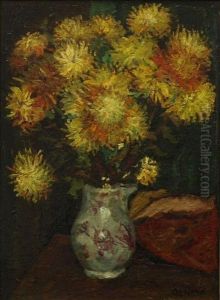
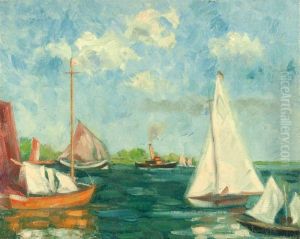
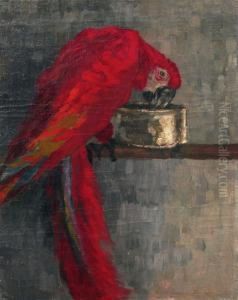
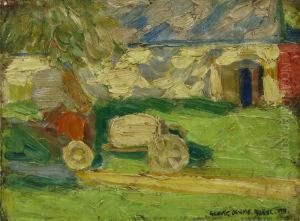
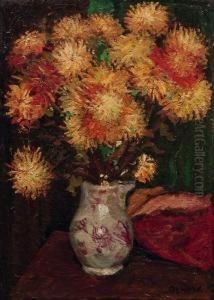
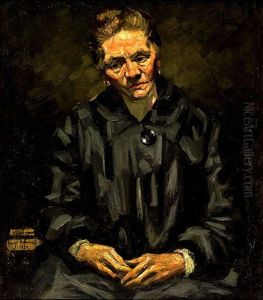
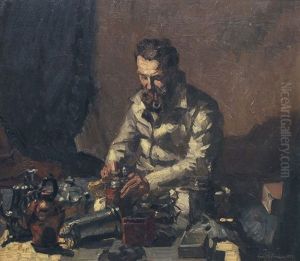
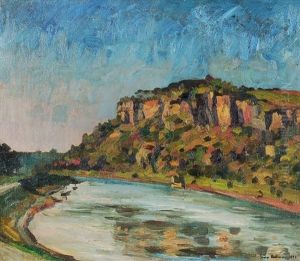
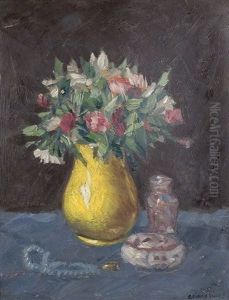
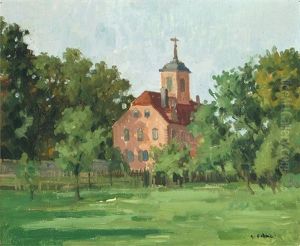
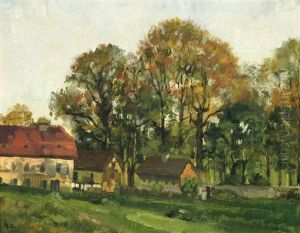
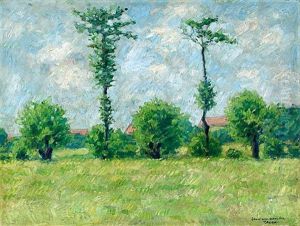
Oehme's work during the 1920s and 1930s reflected his growing interest in expressionism, though he never fully embraced the movement. He continued to focus on landscapes but infused them with an emotional intensity that was characteristic of the expressionist style. His paintings from this period are noted for their thick application of paint and bold use of color.
The rise of the Nazi regime and the onset of World War II had a stifling effect on the arts in Germany, and like many artists of his time, Oehme faced restrictions and challenges. Nonetheless, he continued to paint, albeit under the radar of the Nazi cultural policies.
After the war, Oehme witnessed the division of Germany and the establishment of East and West Germany. The post-war period was a difficult time for many German artists, but Oehme managed to continue his work, although his style became more subdued.
Georg Egmont Oehme passed away on March 29, 1955, in Dresden. While not as widely known as some of his contemporaries, his contributions to German landscape painting and his unique approach to color and form have earned him a place in the history of early 20th-century art. His works are held in various collections and continue to be studied and appreciated for their emotional depth and expressive qualities.