Harald Tillberg was a Swedish painter born in 1879, whose contributions to art, though perhaps not as widely recognized as those of his more famous contemporaries, offer a distinctive glimpse into the evolution of painting styles in Sweden during the early 20th century. His life spanned a period of significant change in the art world, witnessing the transition from traditional to more modernist expressions, and Tillberg's work reflects this shift in various ways throughout his career.
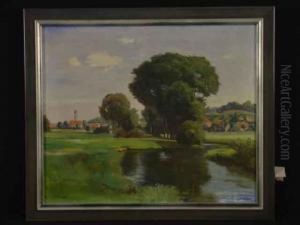
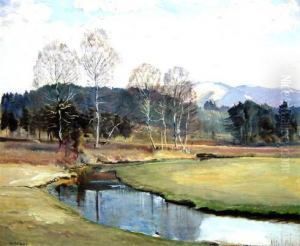
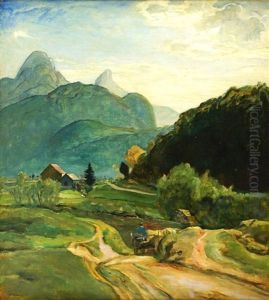
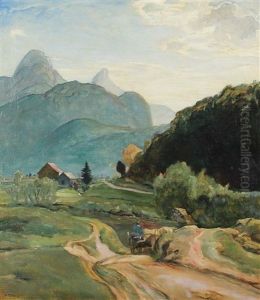
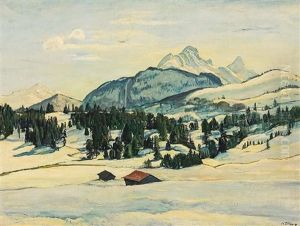
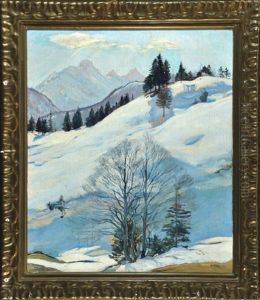
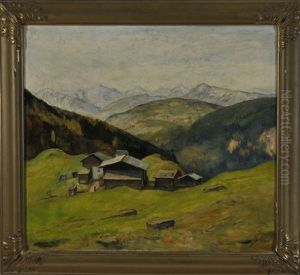
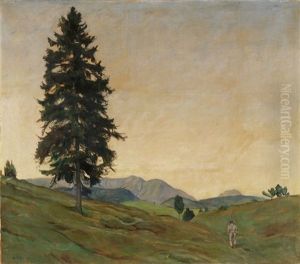
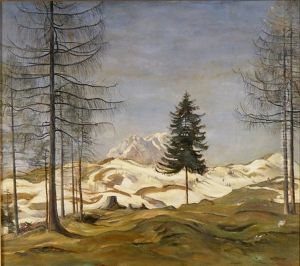
Initially trained in the more conventional styles of painting prevalent in the 19th century, Tillberg gradually evolved his approach, experimenting with elements of impressionism and post-impressionism, which were gaining popularity across Europe. His subject matter often included landscapes, seascapes, and urban scenes, capturing the essence of Swedish nature and city life with a sensitive, yet vivid color palette and dynamic brushwork. Tillberg's ability to blend the real with the emotive allowed his paintings to stand out, offering viewers a deeply personal interpretation of the world around him.
Despite the fact that Tillberg may not have achieved the same level of fame as some of his peers, his work was appreciated during his lifetime, and he participated in various exhibitions. Today, his paintings can be found in several Swedish art museums, serving as testament to his skill and unique vision. Harald Tillberg passed away in 1952, leaving behind a body of work that continues to be studied and admired for its contribution to the development of Swedish art in the 20th century.