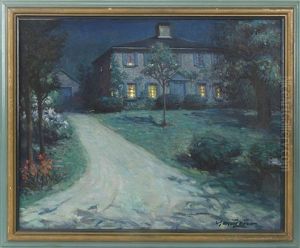
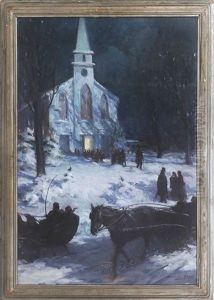
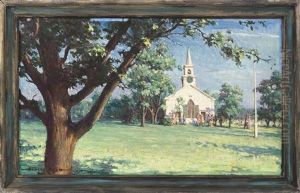
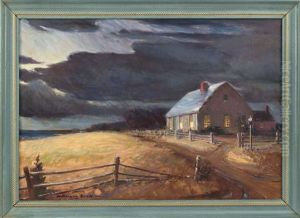
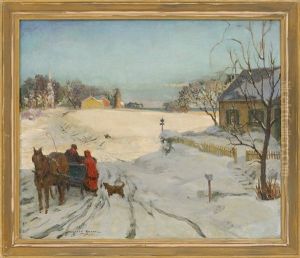
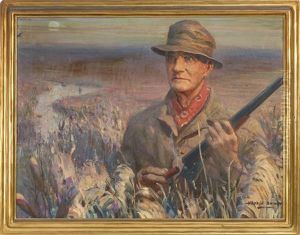
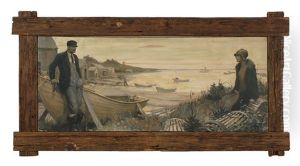
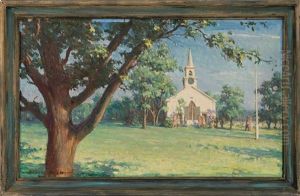
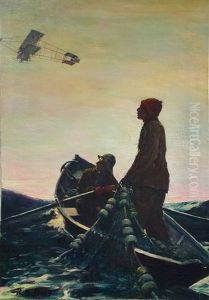
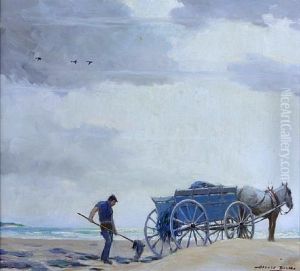
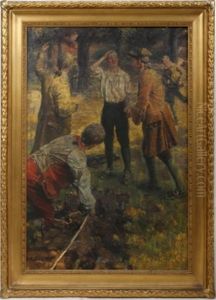
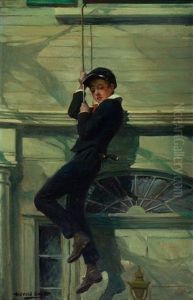
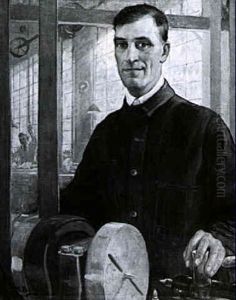
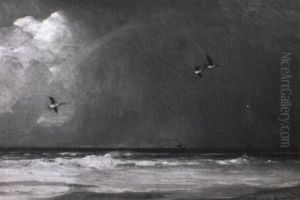
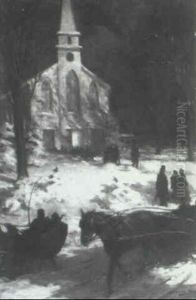
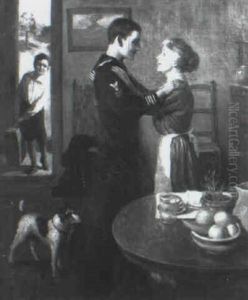
Harold Matthew Brett, born on November 18, 1880, in Haverhill, Massachusetts, was an American illustrator known for his adept skills in capturing the essence of his subjects with a remarkable sense of realism and detail. Brett's talent became apparent early on, leading him to pursue formal art education at prestigious institutions. He studied at the Boston Museum School and later at the Art Students League in New York, under the tutelage of the influential artist and teacher Frank Vincent DuMond.
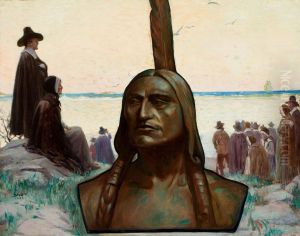
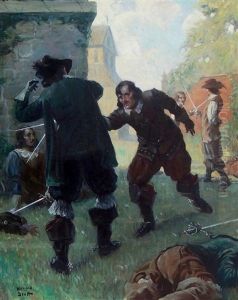
Brett's career flourished in the early 20th century, a golden age for illustration. He became a prolific contributor to popular magazines of the time, such as 'The Saturday Evening Post' and 'Collier's.' His work often featured in stories by well-known writers, where his illustrations brought narratives to life for a wide readership.
Notably, Brett served as a correspondent artist during World War I, a role that took him to the front lines. His experiences during the war profoundly impacted his art, as he captured the haunting realities of conflict with a poignant clarity that resonated with those at home. After the war, he continued to work as an illustrator while also pursuing fine arts, exhibiting his paintings at galleries and earning accolades for his artistic achievements.
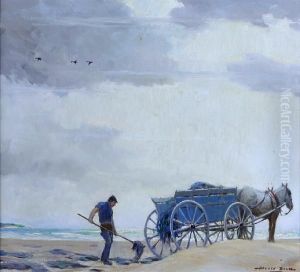
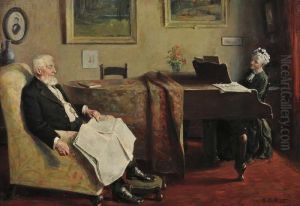
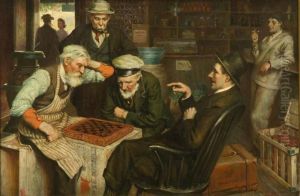
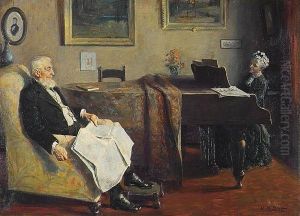
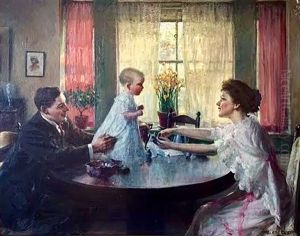
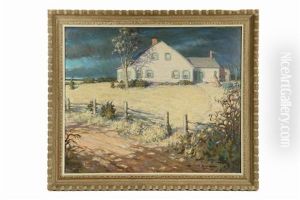
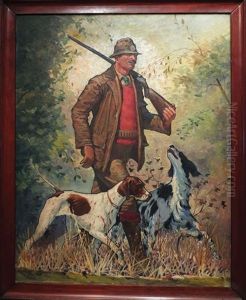
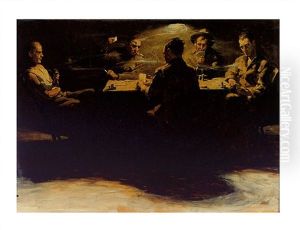
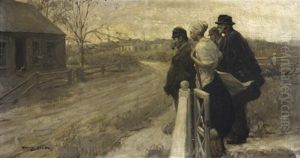
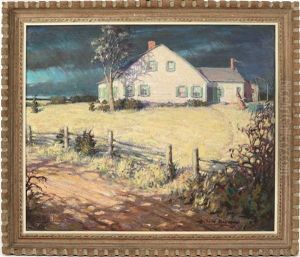
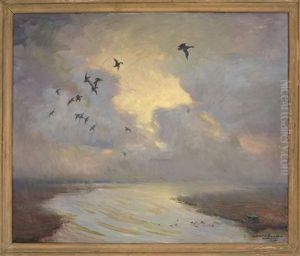
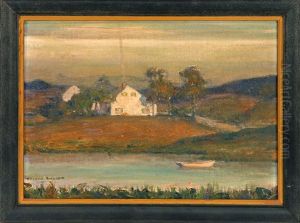
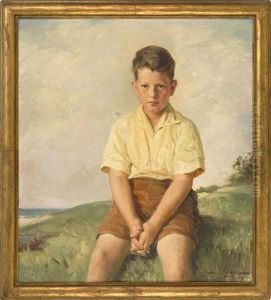
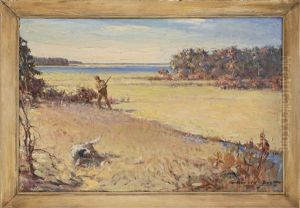
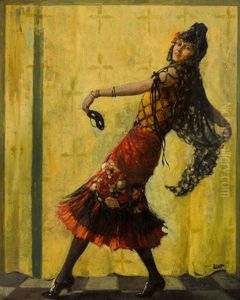
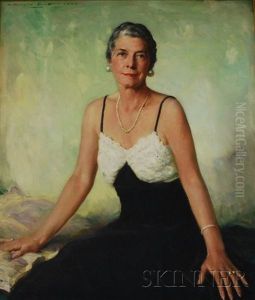
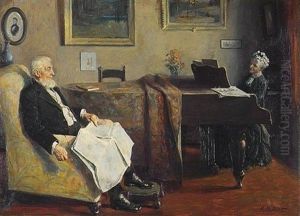
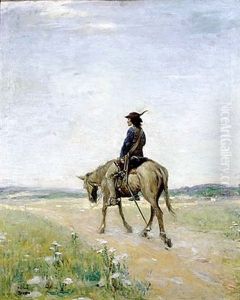
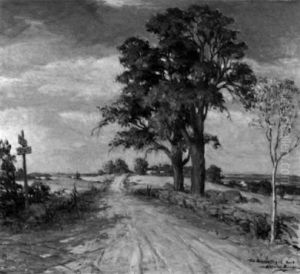
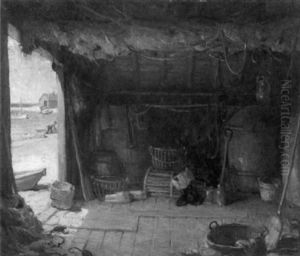
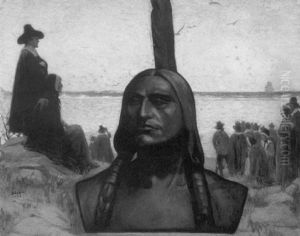
Brett's style was characterized by a keen observation of light and shadow, which he used to create depth and mood in his compositions. He had a particular skill in portraying the human figure, with a sensitive eye for expressions and gestures that revealed the inner life of his subjects.
Harold Matthew Brett passed away on July 18, 1955, leaving behind a legacy of work that continues to be appreciated for its technical excellence and evocative power. His contributions to the field of illustration are remembered as an integral part of America's visual culture during the first half of the 20th century.