Helena Adele Dunlap was an American artist known for her work as a painter and printmaker. Born on June 17, 1876, in Philadelphia, Pennsylvania, Dunlap grew up in a time when the opportunities for women in the arts were beginning to expand, though they were still limited compared to those available to men.
Dunlap pursued her passion for art and developed her skills at the Pennsylvania Academy of the Fine Arts, one of the leading art schools in the United States. There, she was influenced by the teachings of Thomas Anshutz, a notable American painter and educator who was a student of Thomas Eakins. Dunlap also studied under William Merritt Chase, another prominent American artist known for his impressionist paintings. These studies would have a lasting impact on her stylistic development.
In the early 20th century, Dunlap traveled to Europe, which was common for American artists seeking to refine their craft and gain exposure to the burgeoning art movements of the time. She lived in Paris for several years, immersing herself in the vibrant artistic community there and exhibiting her work at the Paris Salon, an annual exhibition that was the official art exhibition of the Académie des Beaux-Arts in Paris.
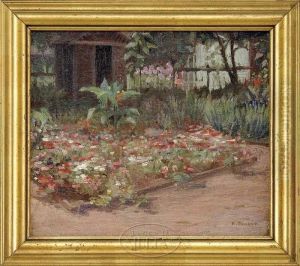
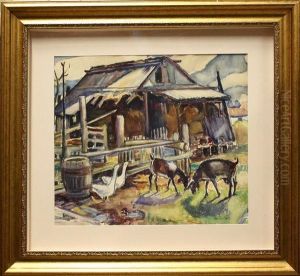
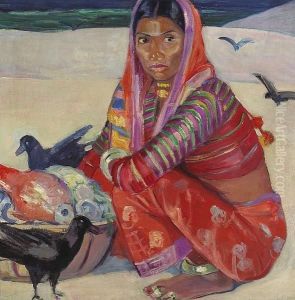
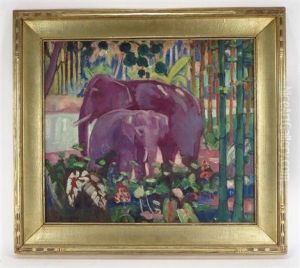
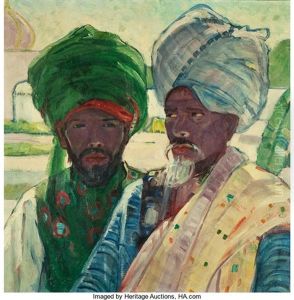
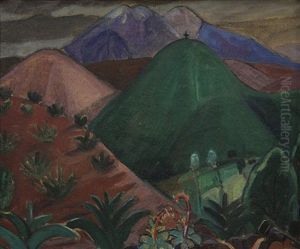
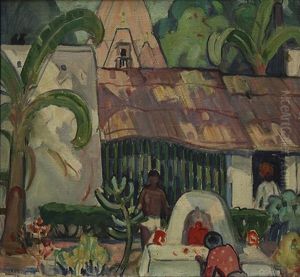
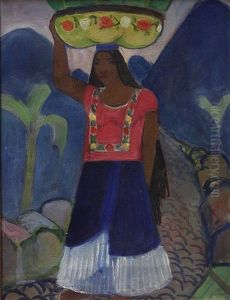
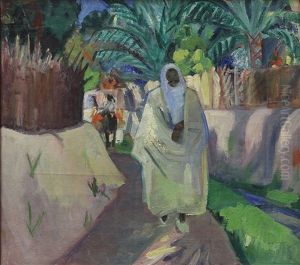
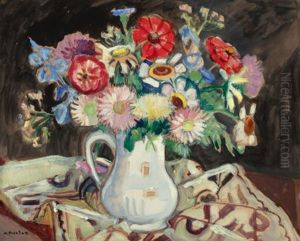
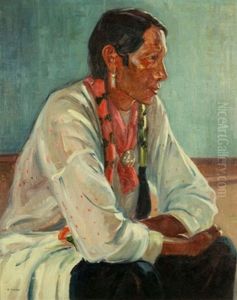
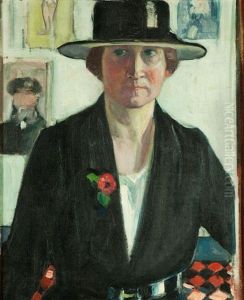
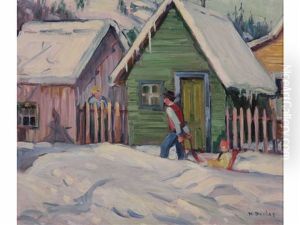
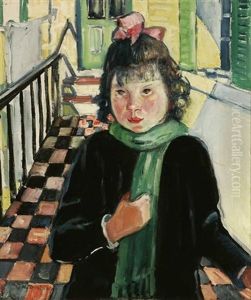
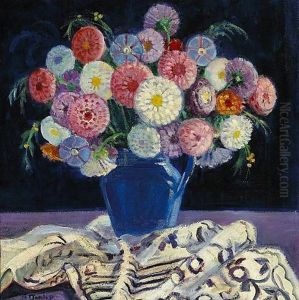
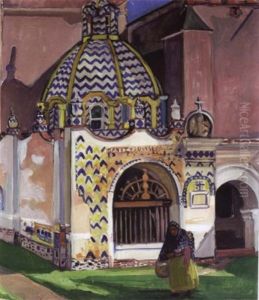
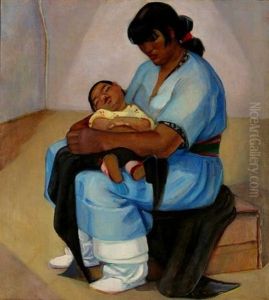
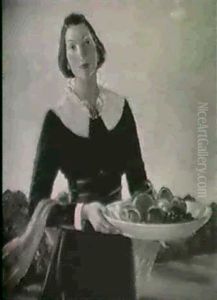
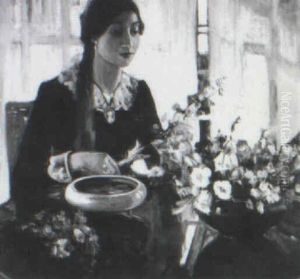
Dunlap's work is characterized by her impressionist style, often portraying landscapes, still lifes, and figures with a light, vibrant touch. Her palette was typically filled with soft colors, and she employed a loose brushwork that captured the essence of her subjects. She was also known for her etchings and lithographs, which showed a keen sense of composition and an ability to translate her impressionist sensibilities into print form.
Helena Adele Dunlap's contributions to the art world were part of the broader context of American Impressionism and the involvement of women in the arts during the late 19th and early 20th centuries. She continued to create and exhibit her work throughout her life. After a life dedicated to art, Helena Adele Dunlap passed away in 1955, leaving behind a legacy that would inspire future generations of artists, particularly women, to pursue their artistic ambitions.