Henry De Buys Roessingh Paintings


Henry De Buys Roessingh, also known as Henri de Buys Roessingh, was a Dutch artist born on February 21, 1891, in Padang, Indonesia, which was then part of the Dutch East Indies. He was part of a generation of artists who were active in the late 19th and early 20th centuries, a period known for its various art movements, including Impressionism and Post-Impressionism.

Henry was the son of Conrad Theodore de Buys Roessingh, a Dutch civil servant, and his wife, Marie Louise Antoinette Salomonson. Growing up in a colonial environment, he likely encountered a mixture of Eastern and Western cultural influences, which may have impacted his artistic development. He moved to the Netherlands for his education, where he immersed himself in the rich artistic traditions of the region.

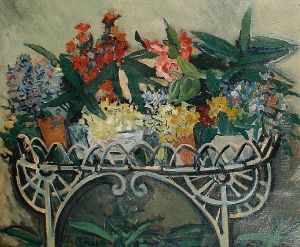
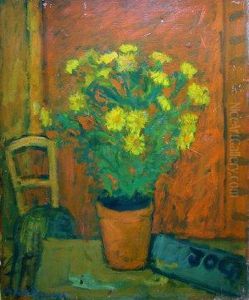
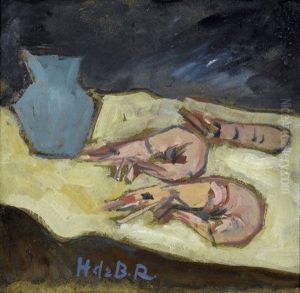
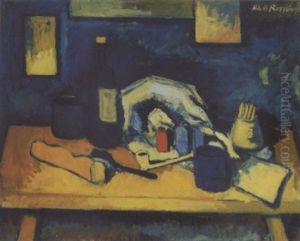
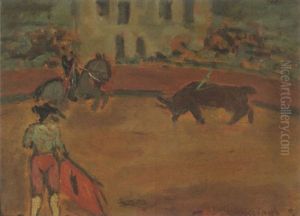
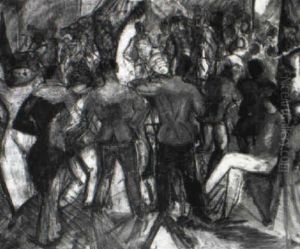
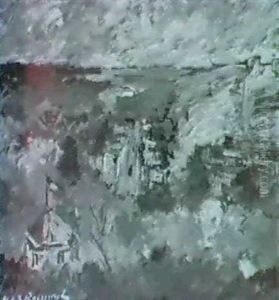
De Buys Roessingh's art is characterized by its vibrant use of color and an often impressionistic style that captures landscapes, portraits, and still lifes. His work, while not as widely recognized as some of his contemporaries, contributes to the broader narrative of Dutch art history, offering a perspective from the colonial Dutch East Indies.

After establishing his career in the Netherlands, De Buys Roessingh traveled to various countries, including Belgium and France, which were significant centers for art at the time. His travels and exposure to different artistic styles and techniques are reflected in the evolution of his work over time.

Henry De Buys Roessingh passed away on December 28, 1958. Despite not being a household name, his paintings are appreciated by collectors and art historians who have an interest in Dutch and colonial art. His works can be considered part of the cultural heritage that bridges the Netherlands with its former colonial territories.