Hugo Troendle was a German artist known for his contributions to painting, particularly in the first half of the 20th century. Born in 1882 in Munich, Germany, Troendle's artistic journey began in an era that was witnessing significant transformations in the European art scene. The turn of the century was characterized by a shift from traditional to modernist expressions, setting the stage for artists like Troendle to explore and define their unique styles.
Troendle's early life was immersed in the rich cultural heritage of Munich, a city famed for its artistic and intellectual vibrancy. He pursued his education in art at the prestigious Academy of Fine Arts Munich, where he was exposed to various artistic movements and techniques. This period was crucial in shaping his approach to art, blending classical training with emerging modernist tendencies.
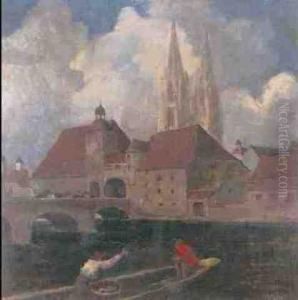
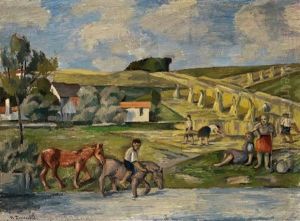
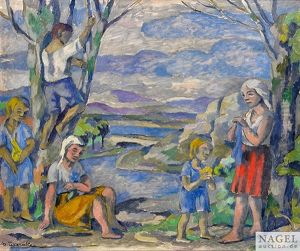
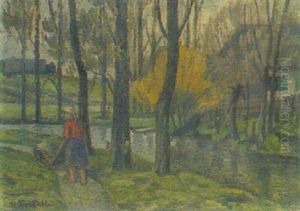
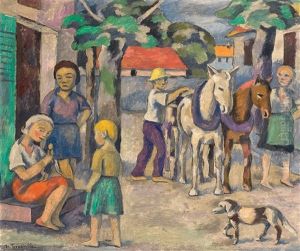
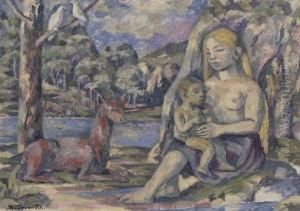
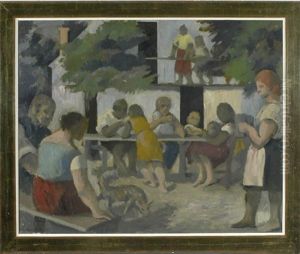
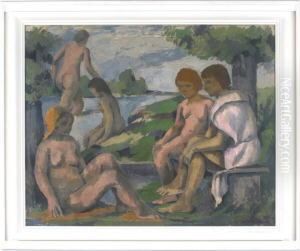
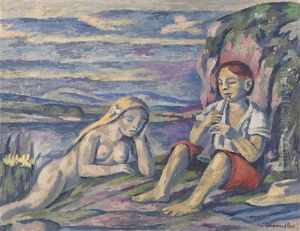
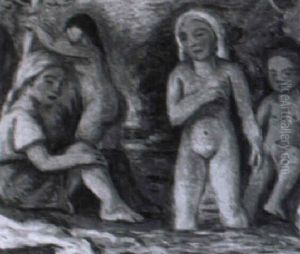
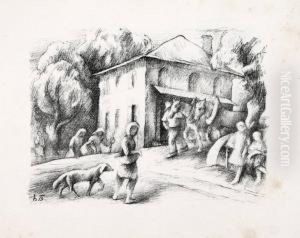
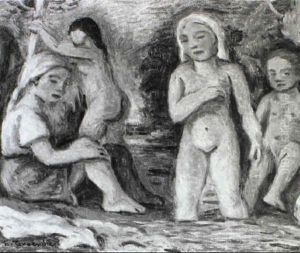
Throughout his career, Hugo Troendle's work displayed a keen interest in landscapes, still lifes, and portraits. His style evolved over the years, showcasing a versatility that ranged from the detailed realism of his early works to more expressive and abstract compositions later in his life. Troendle's paintings are characterized by their vibrant color palette, meticulous attention to detail, and a profound sense of emotion, capturing the essence of his subjects with both precision and sensitivity.
Despite the challenges posed by two World Wars and the changing dynamics of the art world, Troendle remained committed to his artistic vision. His work received recognition and was exhibited in various galleries and exhibitions across Germany and Europe, contributing to his reputation as a significant figure in German art history.
Hugo Troendle passed away in 1955, leaving behind a legacy that continues to be celebrated for its contribution to the development of modern art in Germany. His paintings are held in numerous collections, both public and private, serving as a testament to his skill and creativity as an artist. Troendle's life and work reflect the tumultuous yet transformative period of art history he lived through, marking him as a notable artist of his time.