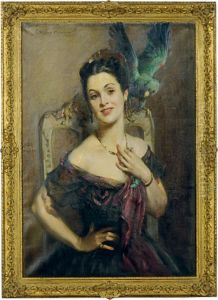
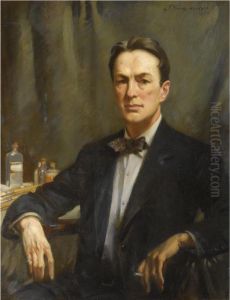
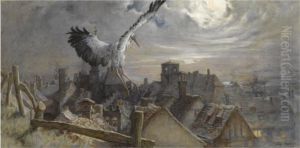
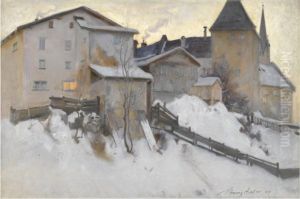
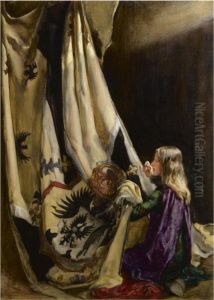
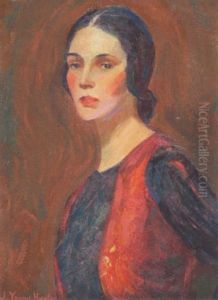
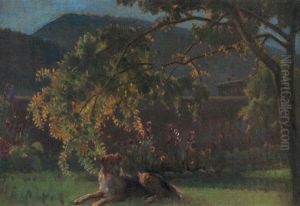
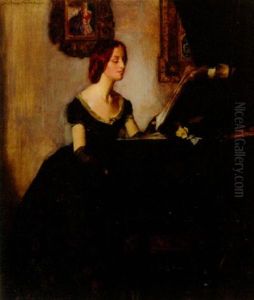
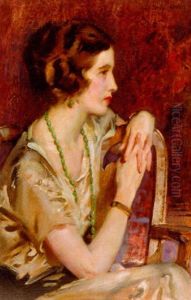
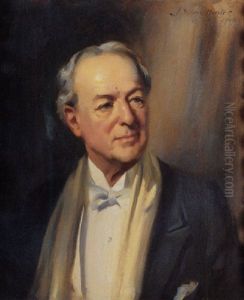
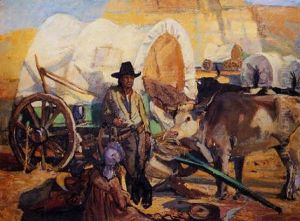
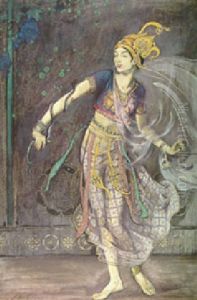
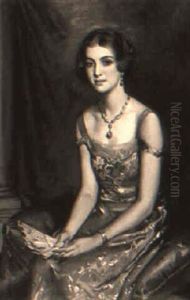
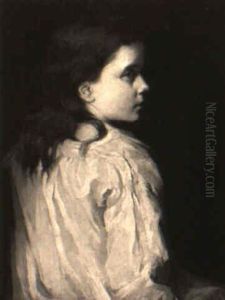
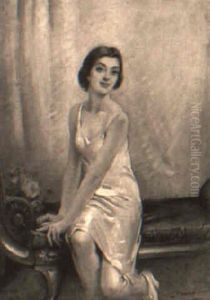
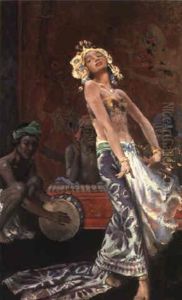
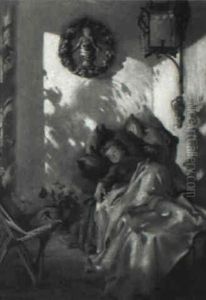
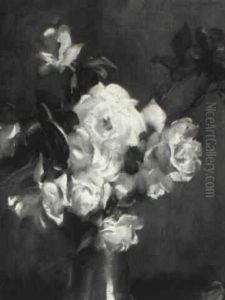
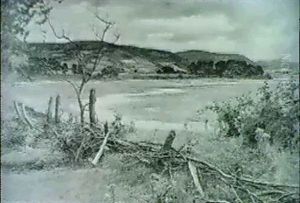
John Young Hunter was a British-born American painter known for his portraiture, landscapes, and decorative work. Born on April 13, 1874, in Glasgow, Scotland, Hunter's family moved to America during his childhood, and he grew up in an artistic environment. His father, Colin Hunter, was a renowned Scottish landscape painter who had a significant influence on his son's early development as an artist.
Hunter began his formal art education in the United States before returning to Europe to study at the prestigious Académie Julian in Paris under the tutelage of William-Adolphe Bouguereau and Tony Robert-Fleury. His education was classical, focusing on the human figure, and it was in Paris that he honed his skills in portraiture.
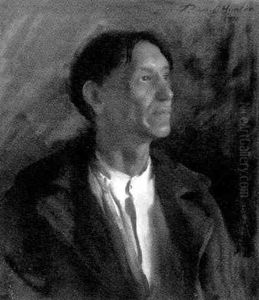
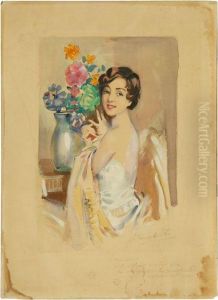
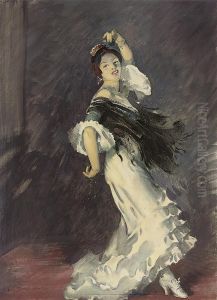
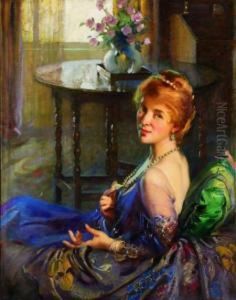
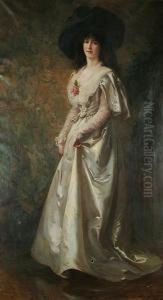
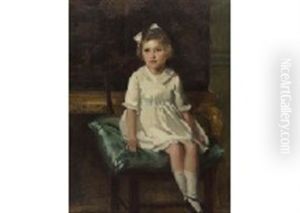
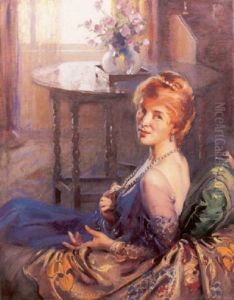
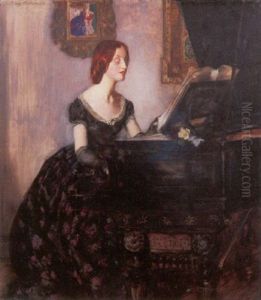
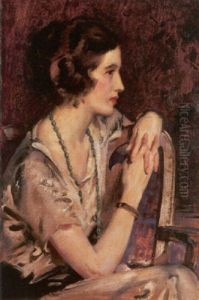
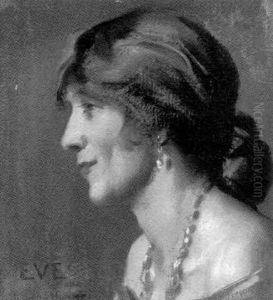
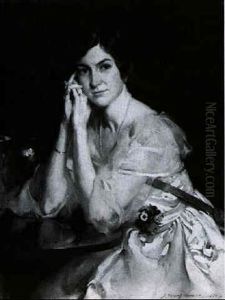
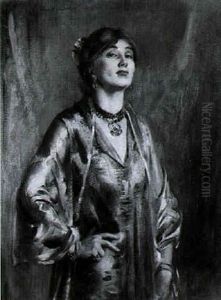
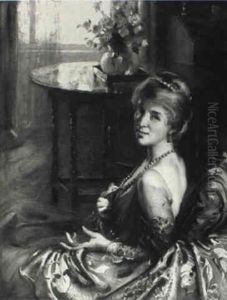
After his time in France, Hunter traveled extensively, drawing inspiration from various cultures and landscapes. He lived in the United States and England, where he established himself as a portrait artist, capturing the likenesses of high society figures of the early 20th century. Hunter's portraits were noted for their elegance, refinement, and the psychological depth he was able to convey.
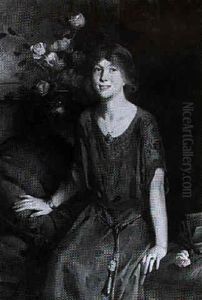
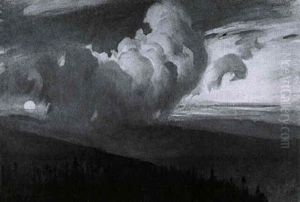
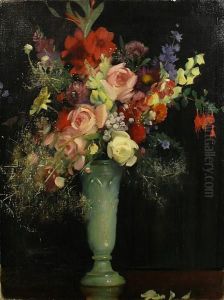
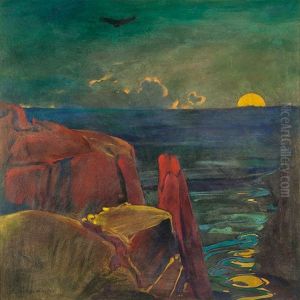
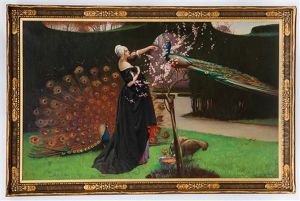
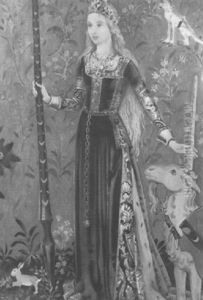
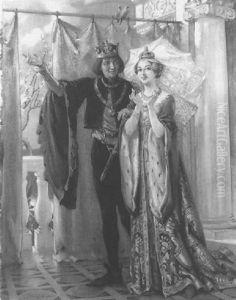
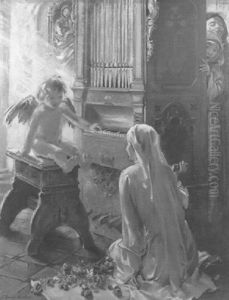
In addition to portraiture, Hunter was also involved in decorative arts and mural painting, a movement that was gaining prominence during his career. His style evolved over the years, showing the influence of Impressionism and later, a more relaxed approach that leaned towards Realism.
During World War I, Hunter served as a camouflage officer, a role that utilized his skills as an artist to create deceptive visual elements on the battlefield. After the war, he continued to paint and exhibit his work, enjoying a successful career.
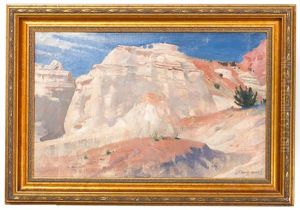
John Young Hunter's works have been displayed in numerous exhibitions and are part of several collections. He passed away on October 22, 1955, in Taos, New Mexico, where he spent his later years and became part of the Taos art colony, a vibrant artist community known for its unique Southwestern American art. His legacy is preserved through his contribution to American and British art, particularly through his portraiture, which provides a glimpse into the aesthetics and social dynamics of his time.