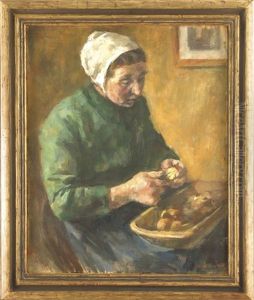
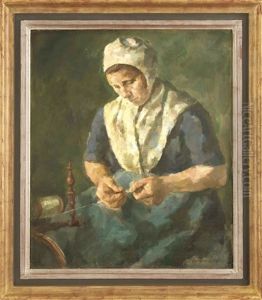
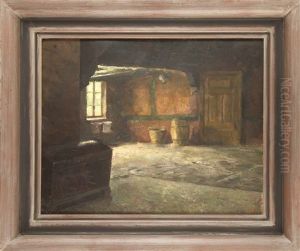
Karl Krummacher was a German painter and graphic artist born in 1879 in Barmen, now part of Wuppertal, Germany. His artistic journey began in an era marked by significant movements such as Expressionism and the Bauhaus, which influenced the trajectory of modern art in Europe. Despite these prevailing currents, Krummacher developed a distinct style that navigated between traditional motifs and the avant-garde trends of his time.
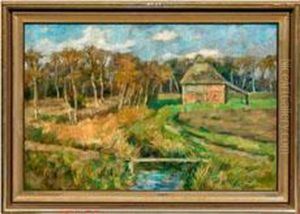
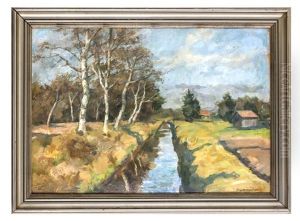
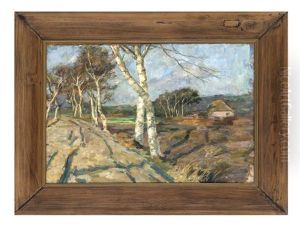
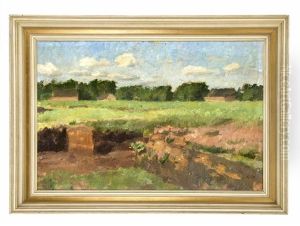
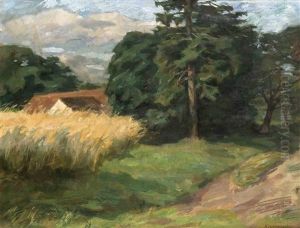
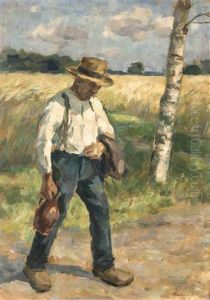
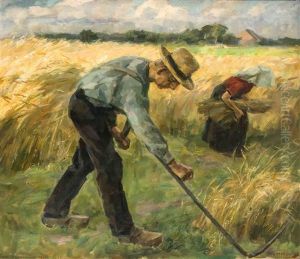
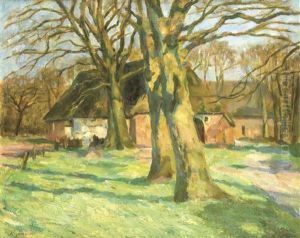
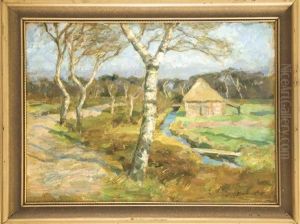
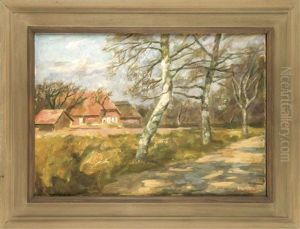
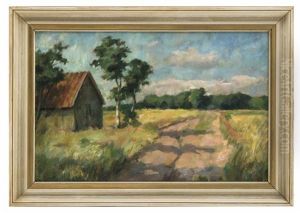
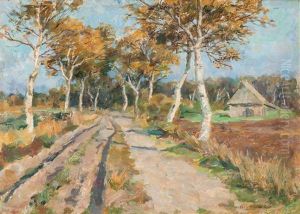
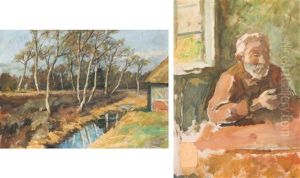
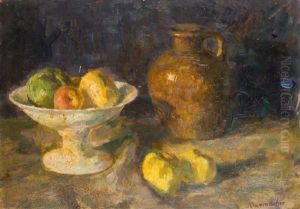
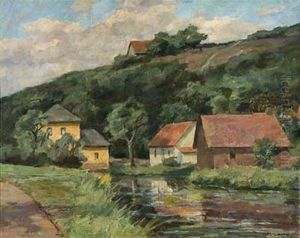
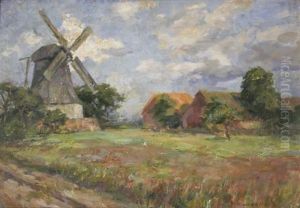
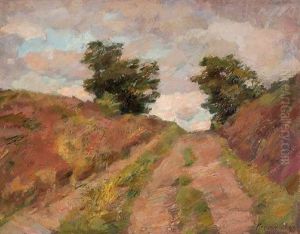
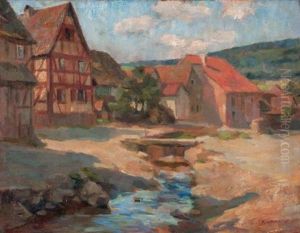
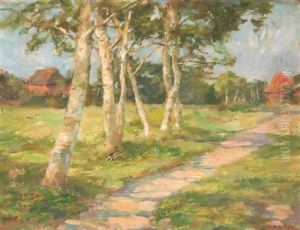
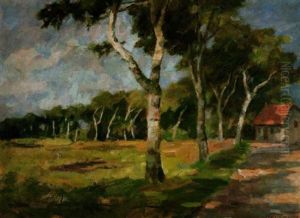
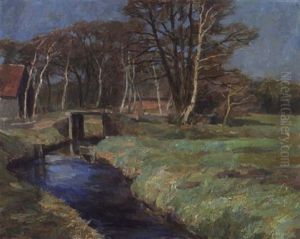
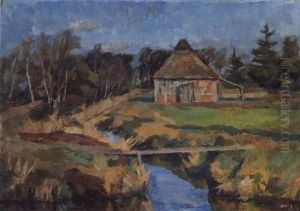
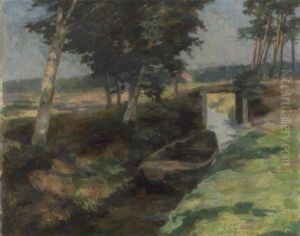
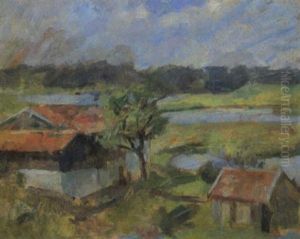
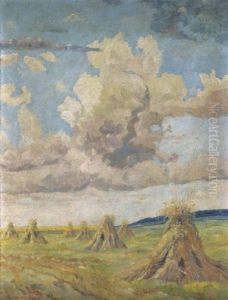
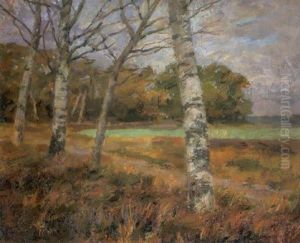
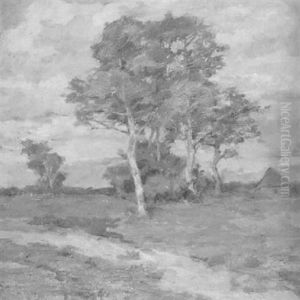
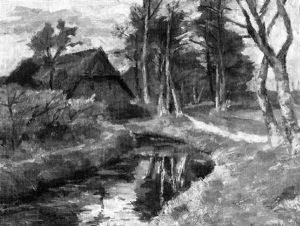
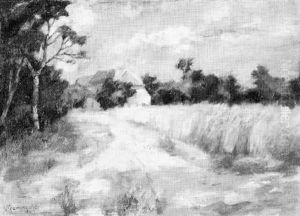
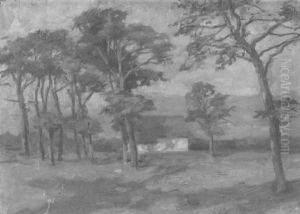
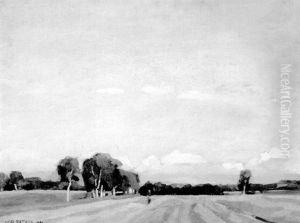
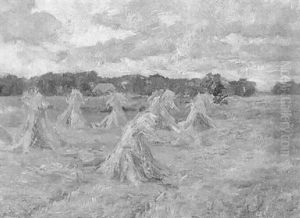
Educated in the academies of Munich and Düsseldorf, Krummacher was deeply rooted in the academic training of the late 19th century but was also receptive to the innovations occurring in the art world around him. Throughout his career, he exhibited a predilection for landscapes and still lifes, subjects that allowed him to explore and express his personal vision while engaging with the broader stylistic developments of his era. His landscapes, often characterized by a serene, almost mystical quality, reflect an intimate connection with nature and a subtle departure from the purely representational approach of his academic training.
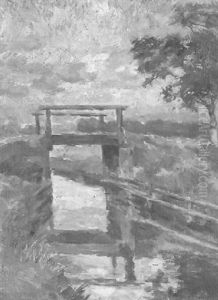
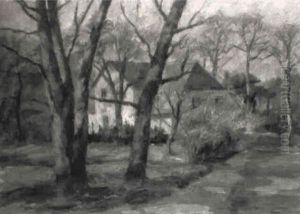
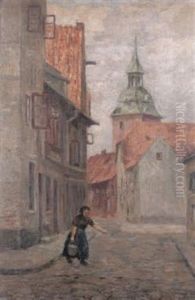
Krummacher's work did not gain the same level of international recognition as some of his contemporaries, partly due to his relatively secluded life and focus on regional German scenes. However, within Germany, he enjoyed respect and admiration among art connoisseurs and his peers. His contributions to German art were particularly appreciated in the context of the cultural and political upheavals of the early 20th century, during which he maintained a commitment to the integrity and independence of his artistic vision.
The rise of the Nazi regime and the onset of World War II significantly affected the artistic landscape in Germany, posing challenges to many artists of the time, including Krummacher. Despite these adversities, he continued to produce work that adhered to his aesthetic principles, avoiding entanglement with the regime's propaganda machine. After the war, Krummacher's art served as a testament to the resilience of the human spirit and the enduring value of artistic expression.
Karl Krummacher passed away in 1947, leaving behind a legacy that, while perhaps not as widely celebrated as some of his contemporaries, offers a unique window into the complexities and nuances of German art during a tumultuous period in history. His body of work remains a subject of interest for art historians and collectors who appreciate the subtlety of his technique and the depth of his engagement with the natural world.