Max Wieczorek Paintings


Max Wieczorek was a German landscape painter associated primarily with the Düsseldorf school of painting. Born on September 2, 1863, in Weimar, Germany, he grew up in an era that was seeing a transition from traditional to more modern approaches in art. Wieczorek received his artistic training at the Grand Ducal Saxon Art School in Weimar, where he was influenced by the Barbizon school, a French movement that emphasized painting outdoors (en plein air) and focused on the realistic depiction of light.

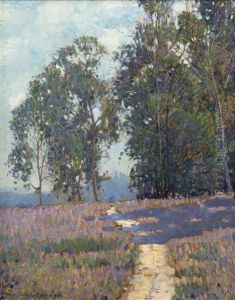
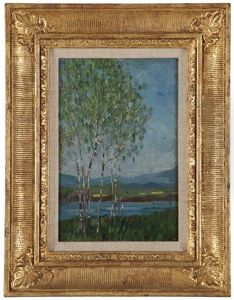
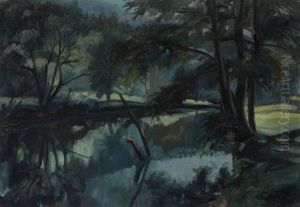
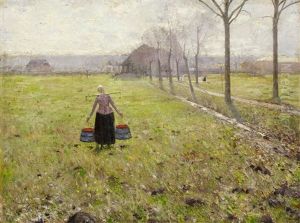
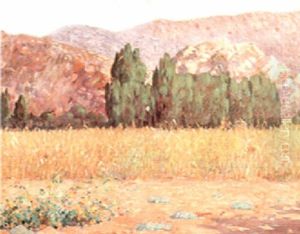
After his initial training, Wieczorek furthered his studies at the Royal Art Academy in Munich, which was known for its progressive teaching methods and would have exposed him to a range of artistic styles and techniques. Throughout his career, Wieczorek was known for his atmospheric landscape paintings that often captured the mood of the German countryside. His work was characterized by a soft, harmonious palette and a gentle, impressionistic touch, which was somewhat at odds with the more academic and historical subjects favored by many of his contemporaries.

During his lifetime, Wieczorek experienced the tumultuous changes of late 19th and early 20th century Germany, including the rise of modern art movements. Despite the shifting art scene, he maintained his focus on landscapes, remaining somewhat detached from the avant-garde movements that were gaining popularity at the time. Wieczorek's paintings were exhibited throughout Germany and he received recognition for his contributions to German art.

Max Wieczorek continued to paint throughout his life, passing away on November 24, 1955, in Düsseldorf. His body of work remains a testament to the enduring appeal of landscape painting and offers a glimpse into the tranquil rural life of his times. Wieczorek's paintings can be found in various collections and are occasionally displayed in exhibitions focusing on German landscape art of the 19th and 20th centuries.