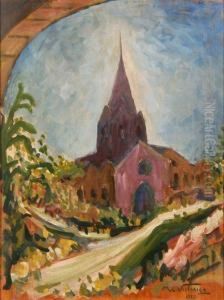
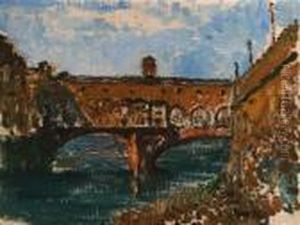
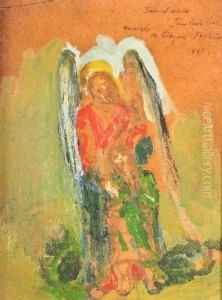
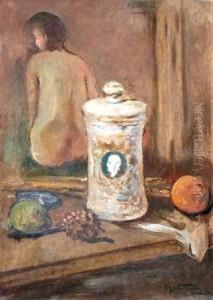
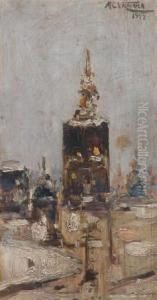
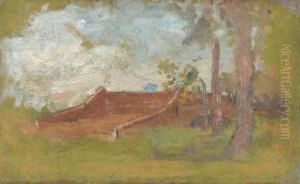
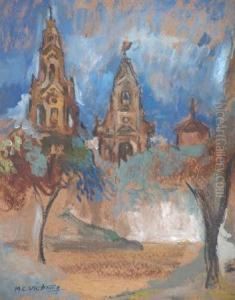
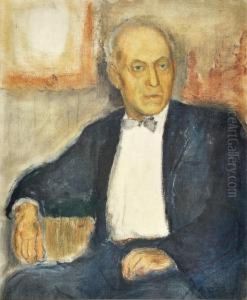
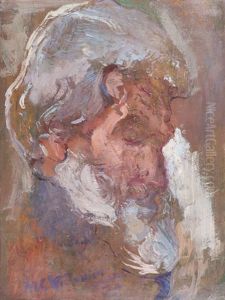
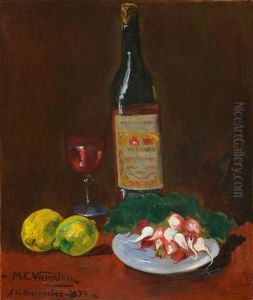
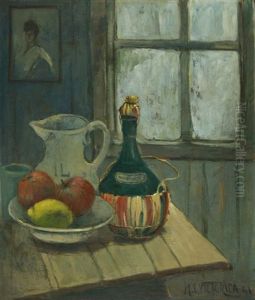
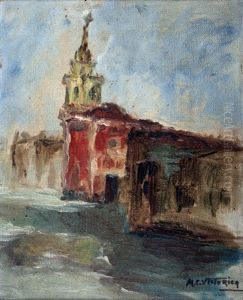
Miguel Carlos Victorica was an Argentine painter known for his contributions to the post-impressionist and expressionist movements in Argentina. Born on October 1, 1884, in Buenos Aires, he developed a keen interest in art at an early age and pursued his passion by studying at the prestigious Academia Nacional de Bellas Artes in Buenos Aires.
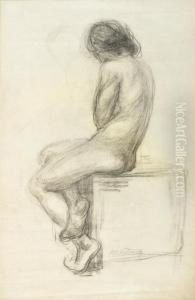
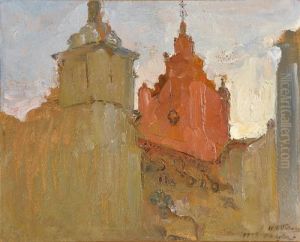
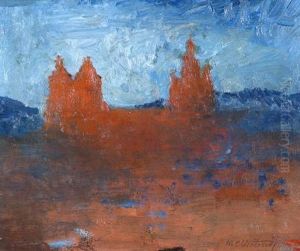
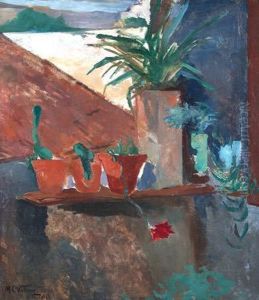
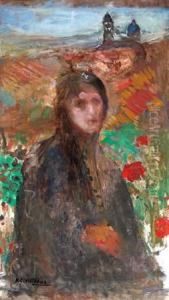
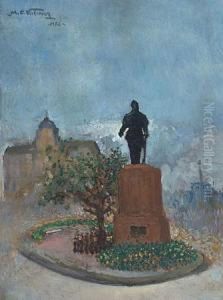
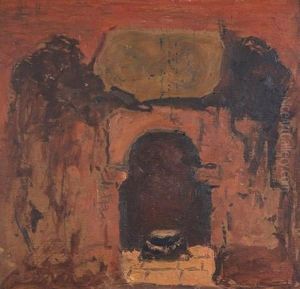
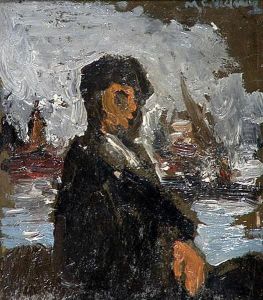
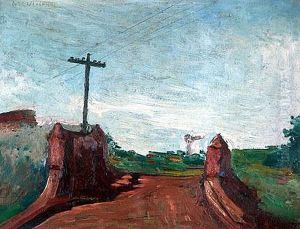
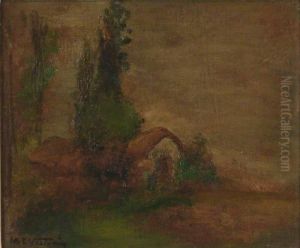
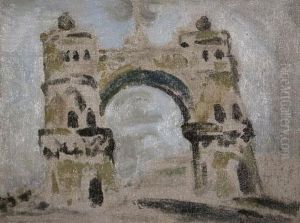
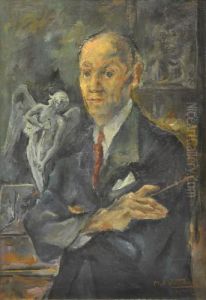
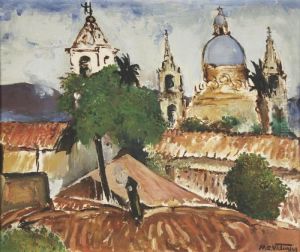
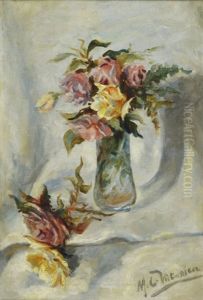
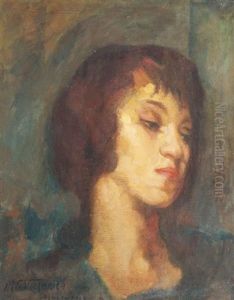
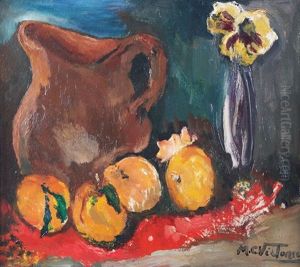
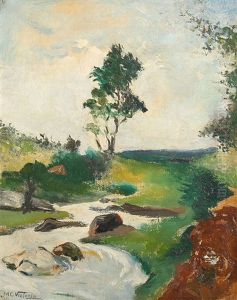
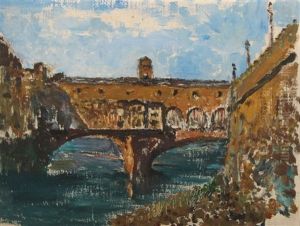
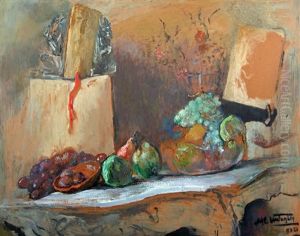
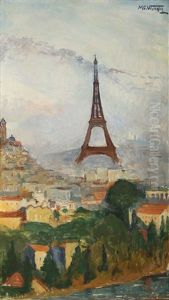
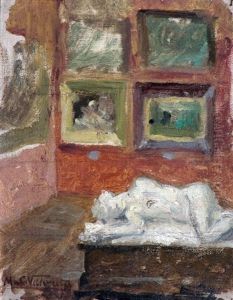
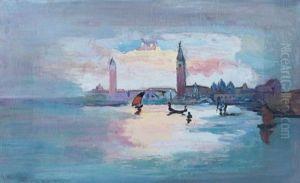
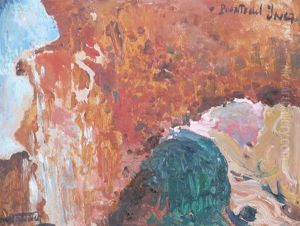
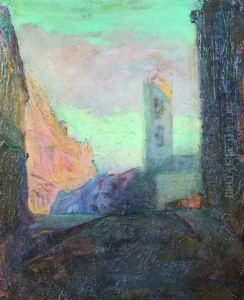
Victorica's early work was influenced by European post-impressionism, but as he matured, he developed a more personal style characterized by intense colors and dramatic contrasts of light and shadow. His subjects often included Argentine landscapes, figures, and still lifes, but he was particularly noted for his poignant and evocative representations of the human condition.
Throughout his career, Victorica exhibited his work widely, both in Argentina and internationally. He participated in the Salón Nacional de Bellas Artes, where he received recognition and awards for his contributions to Argentine art. Despite his success, he remained an introspective artist, often shunning the limelight in favor of a more reclusive lifestyle. This introversion is frequently reflected in the solitary and contemplative nature of his figures.
Victorica's legacy is one of a passionate and skilled painter who captured the essence of his time and place while also speaking to universal human emotions. His paintings are held in several important collections, including the National Museum of Fine Arts in Buenos Aires. Miguel Carlos Victorica passed away on May 11, 1955, but his work continues to be celebrated for its emotional depth and technical proficiency.