Roberto Diago Paintings


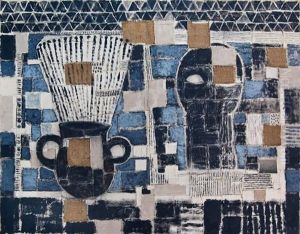
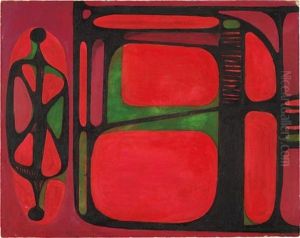
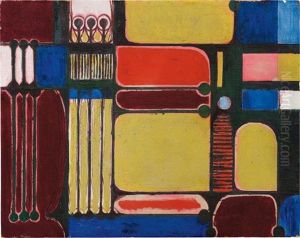
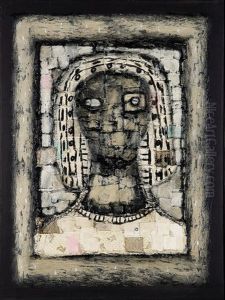
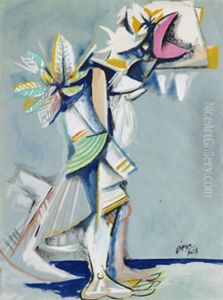
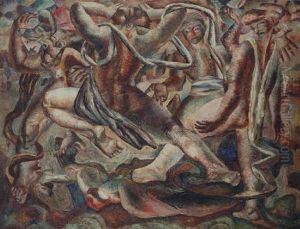
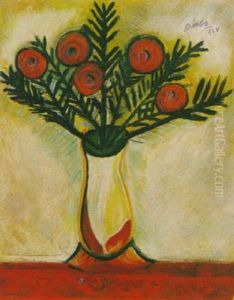
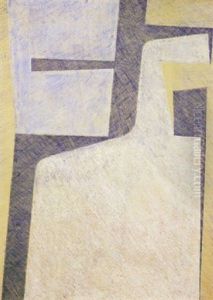
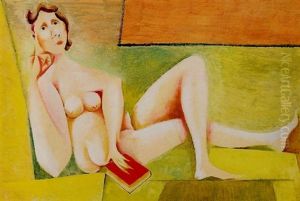
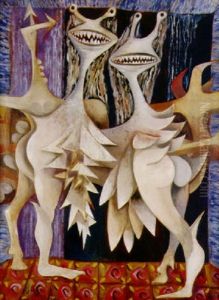
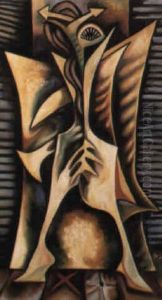
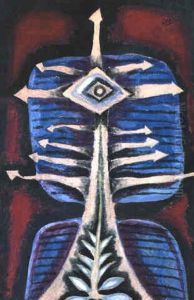
Roberto Diago (Juan Roberto Diago Querol) was a prominent Cuban artist known for his significant contributions to modern Cuban art. Born on January 24, 1920, in Havana, Cuba, Diago embarked on a career that would lead him to become one of the most influential Cuban artists of the 20th century. His work is celebrated for its exploration of African heritage in Cuba, a theme that was both personal and political, reflecting the complex socio-cultural landscape of the island.

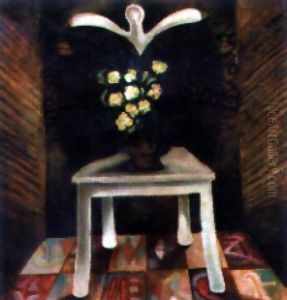
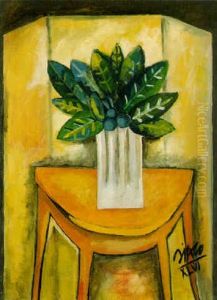
Diago's artistic journey began in the 1940s, at a time when Cuba was experiencing significant social and political changes. He studied at the San Alejandro Academy, the oldest and most prestigious fine arts school in Cuba. However, Diago's style quickly evolved beyond the academic, incorporating elements of Surrealism and Cubism. He was particularly influenced by the Afro-Cuban culture, which he integrated into his art through the use of motifs, symbols, and themes that depicted the struggles, resilience, and beauty of African descendants in Cuba.

Throughout his career, Diago tackled issues of racism, inequality, and identity. His artworks served as a form of resistance and commentary on the marginalization of black Cubans, making him a critical figure in the Négritude movement in Cuban art. This movement sought to reclaim African heritage and identity, celebrating it as an integral part of Cuban culture.

Despite his early death at the age of 35 in 1955, Diago's legacy has endured. His work has been exhibited internationally, and he is recognized for paving the way for future generations of artists to explore themes of race, culture, and identity. Diago's art remains a testament to the power of artistic expression in advocating for social change and understanding. His contributions continue to inspire artists and audiences alike, underscoring the importance of cultural heritage and the ongoing struggle for equality and recognition.