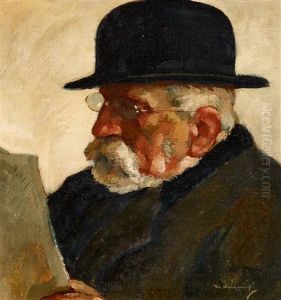
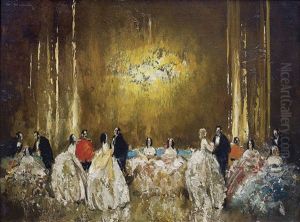
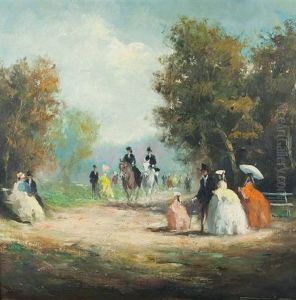
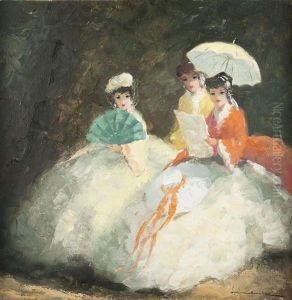
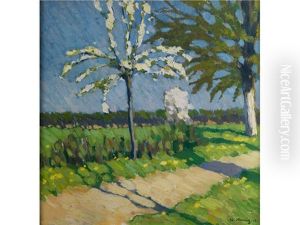
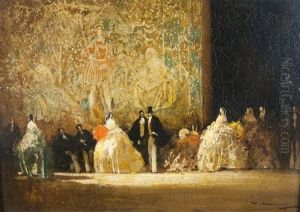
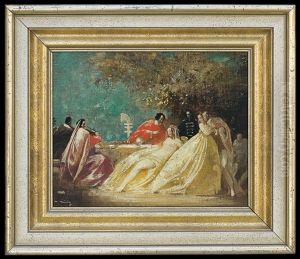
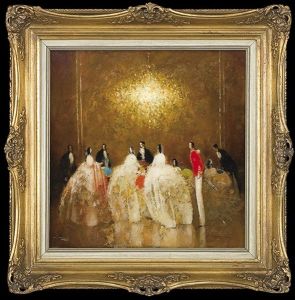
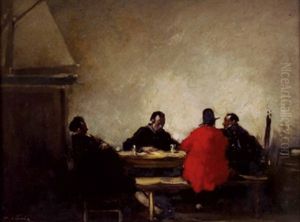
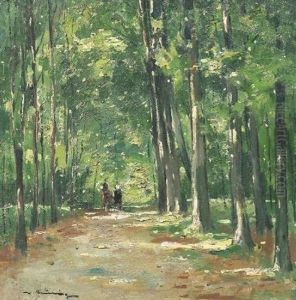
Walter Heimig was a German painter and graphic artist born on May 25, 1893, in Elberfeld, which is now a part of Wuppertal, North Rhine-Westphalia. Heimig's artistic journey began at an early age, influenced by the vibrant cultural scene of the early 20th century in Germany. He studied at various art schools, including the Düsseldorf Academy of Arts, where he honed his skills in painting and graphics.
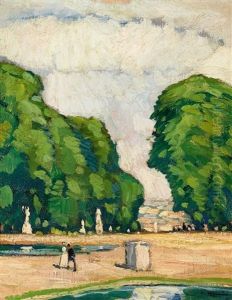
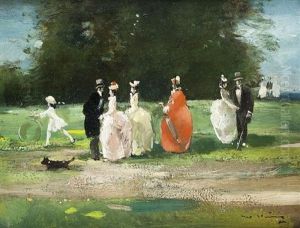
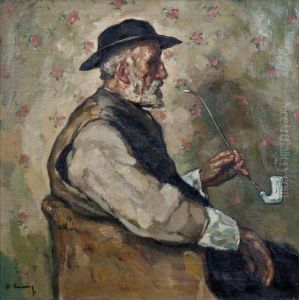
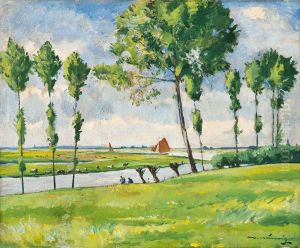
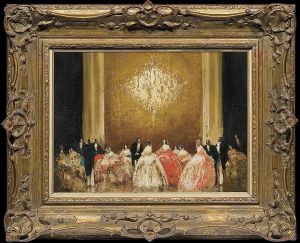
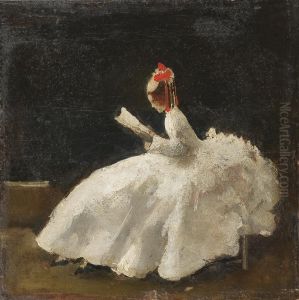
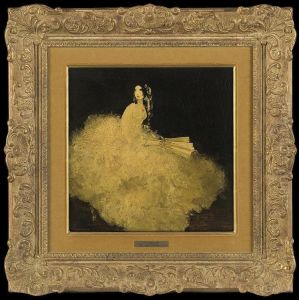
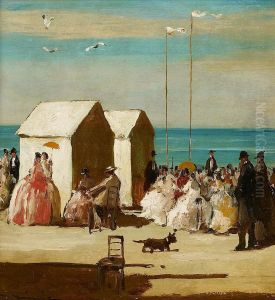
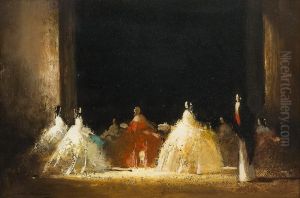
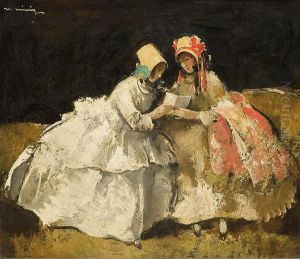
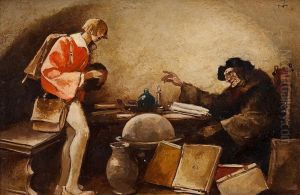
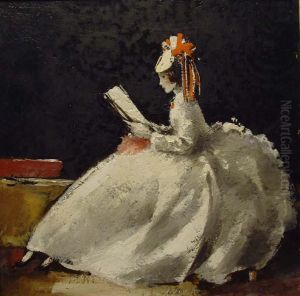
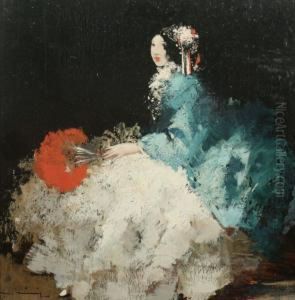
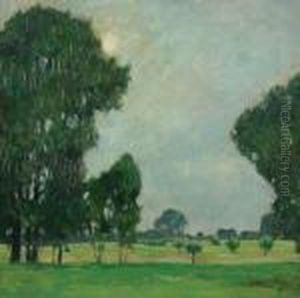
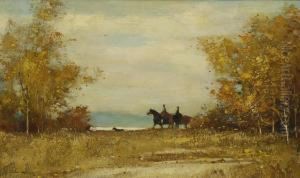
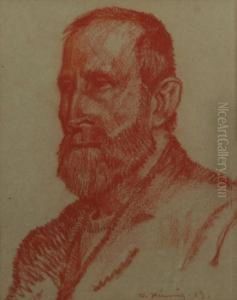
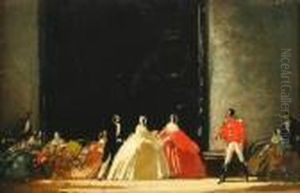
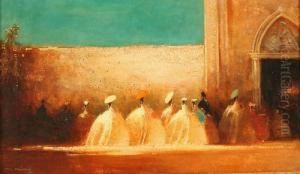
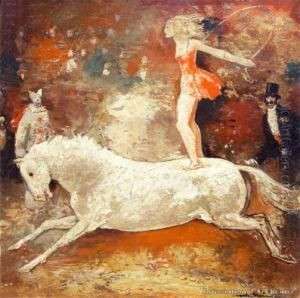
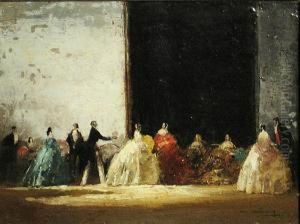
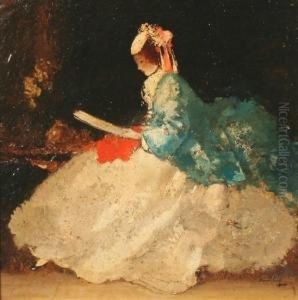
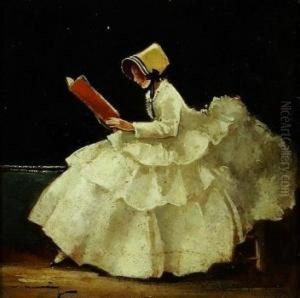
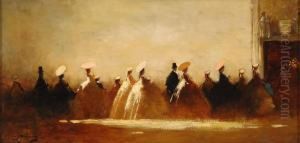
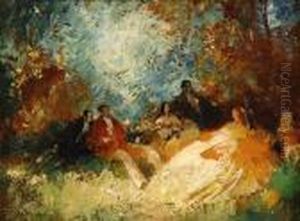
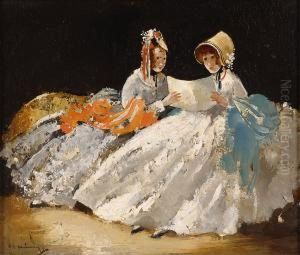
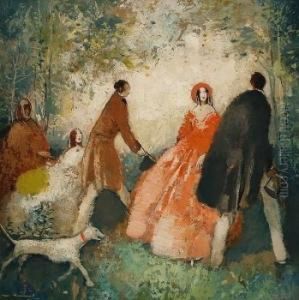
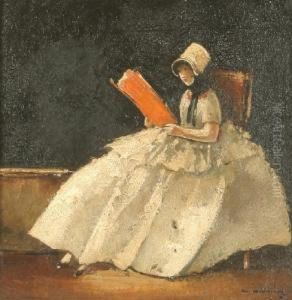
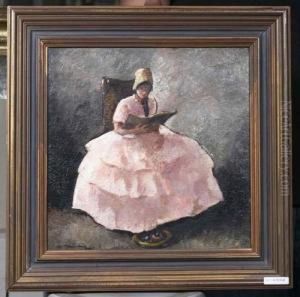
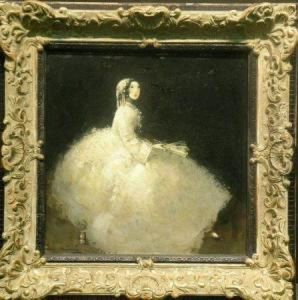
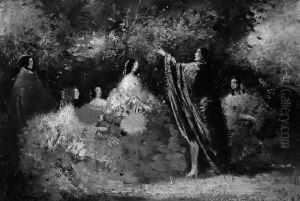
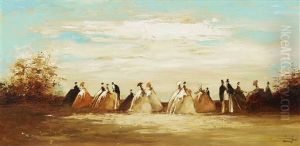
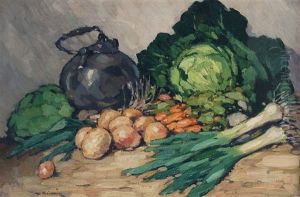
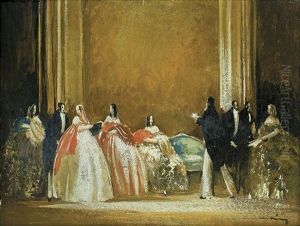
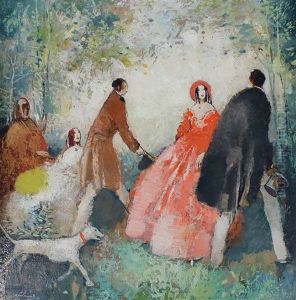
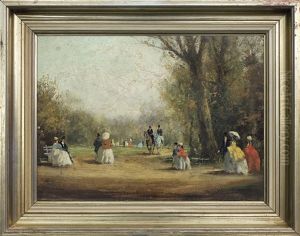
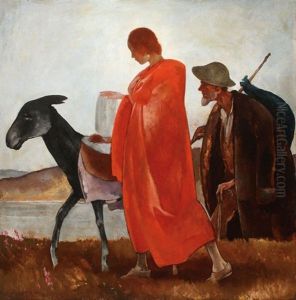
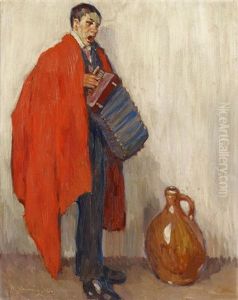
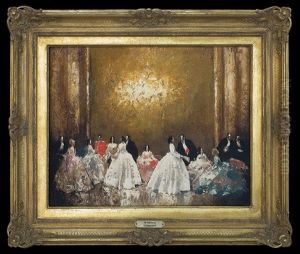
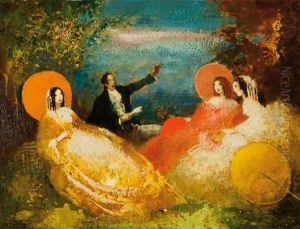
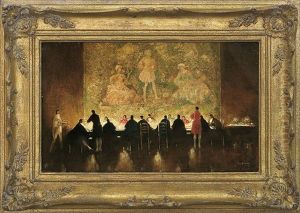
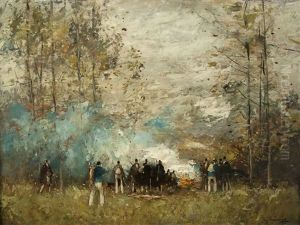
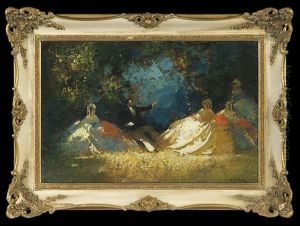
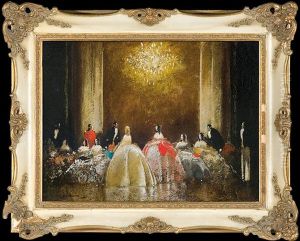
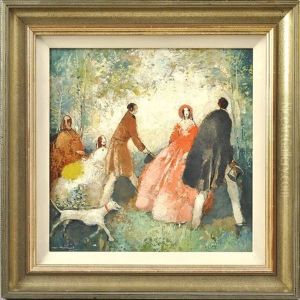
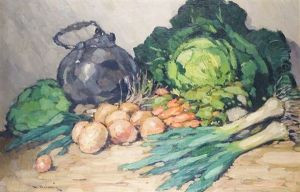
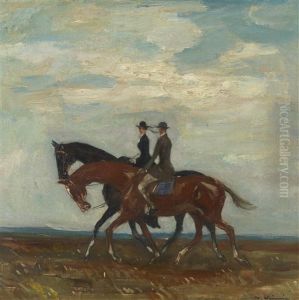
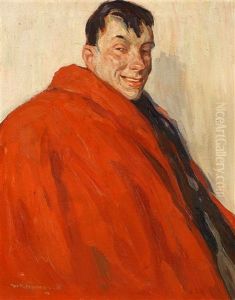
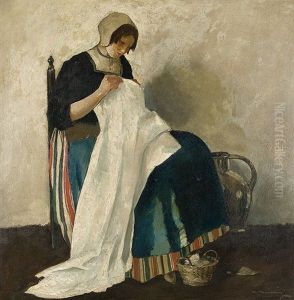
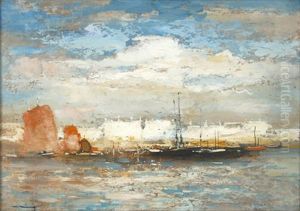
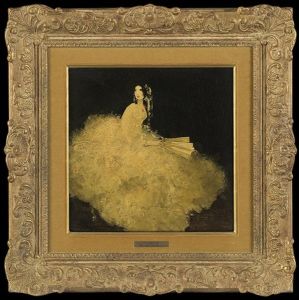
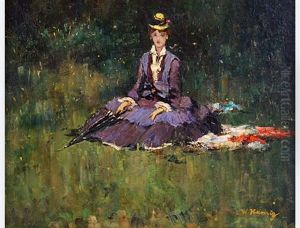
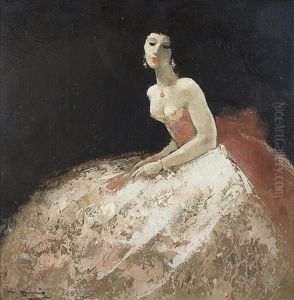
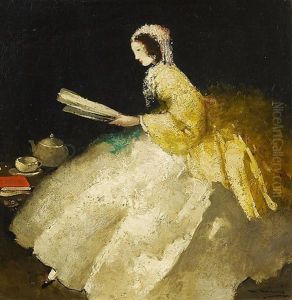
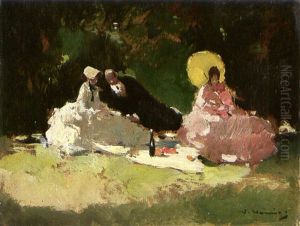
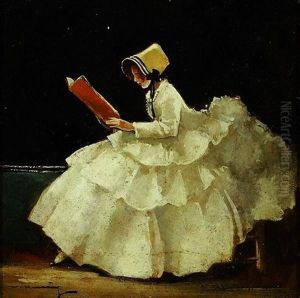
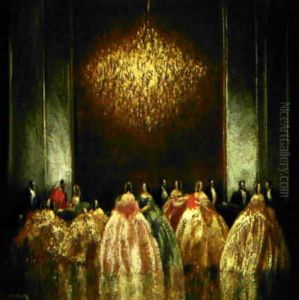
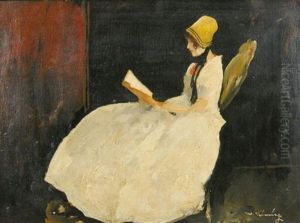
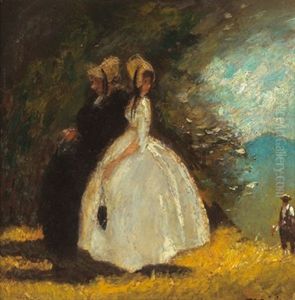
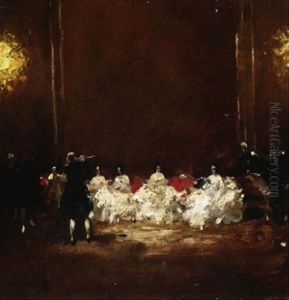
During his career, Heimig became known for his landscapes, still lifes, and portraits. His style was influenced by the prevailing art movements of the time, such as Impressionism and Expressionism. However, Heimig also developed a distinct personal style, characterized by a strong use of color and a focus on capturing the essence of his subjects.
Heimig's work was exhibited in numerous art shows throughout Germany, and he also participated in international exhibitions. Despite the tumultuous times, including the two World Wars and the interwar period, he managed to maintain a steady artistic output.
After World War II, Germany faced significant cultural changes, and artists like Heimig had to navigate the new artistic landscape. He continued to work and exhibit his art, but with the rise of new art movements, such as Abstract Expressionism, the attention to traditional painting styles like his waned.
Walter Heimig passed away on August 1, 1955, in Düsseldorf. Although not as widely known today as some of his contemporaries, Heimig's work remains a part of the German art historical narrative, contributing to the rich tapestry of early 20th-century European art. His paintings can be found in various art collections and museums in Germany and serve as a testament to his dedication to the craft of painting.