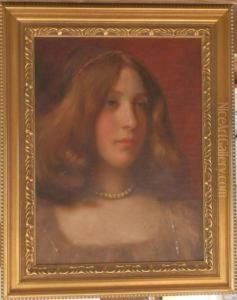
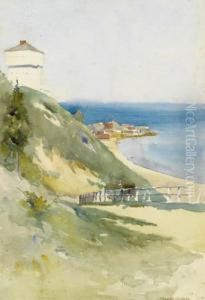
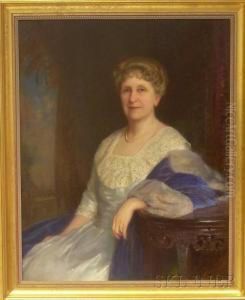
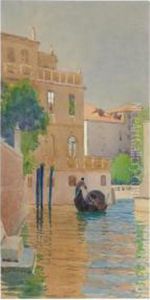
William John Whittemore was an American artist known for his detailed genre paintings and portraits. Born on November 26, 1860, in New York City, Whittemore showed an early aptitude for art and was encouraged to pursue his passion. He studied at the National Academy of Design in New York and later with Léon Bonnat in Paris. His education in Europe exposed him to the works of the old masters, and he became particularly influenced by the style and techniques of the Dutch genre painters.
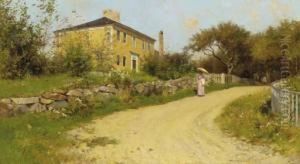
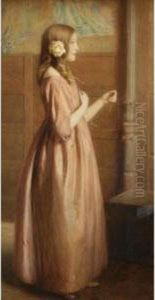
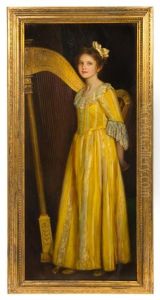
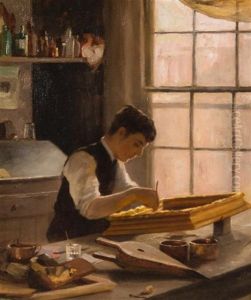
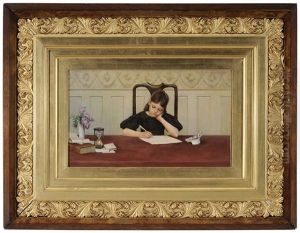
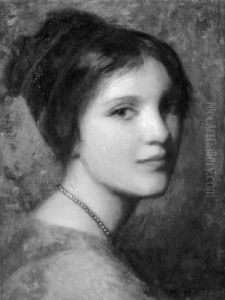
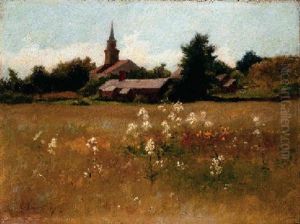
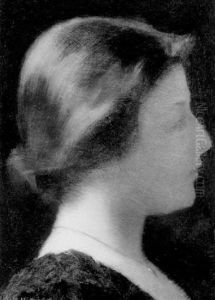
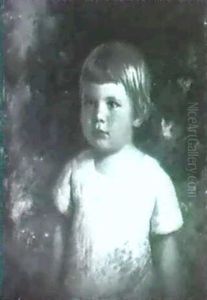
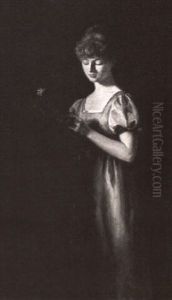
Whittemore's career was marked by a dedication to realism and an interest in capturing the nuances of everyday life. His genre scenes often depicted serene domestic interiors, children at play, and individuals in contemplative moments, reflecting a Victorian sensibility towards order, propriety, and the finer details of one's surroundings.
Throughout his life, Whittemore was an active member of the art community. He exhibited widely and received numerous awards for his work. He was a member of the American Watercolor Society, the National Arts Club, and the Salmagundi Club, among others. His paintings were featured in important exhibitions, including those at the National Academy of Design and the Pennsylvania Academy of the Fine Arts.
Whittemore's legacy is that of a skilled painter who captured the spirit of his age with a delicate and precise hand. His works are held in various public and private collections, and he is remembered for his contribution to American art history during the late 19th and early 20th centuries.
William John Whittemore's career spanned over seven decades, with the artist continuing to paint until his later years. He passed away on August 22, 1955, in Bronxville, New York, leaving behind a body of work that continues to be appreciated for its charm, technical skill, and historical value.