Transformation Of Landscape Paintings
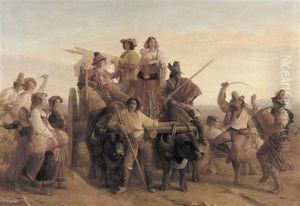
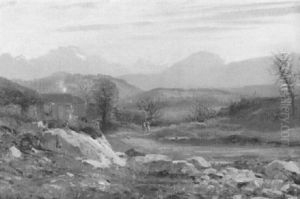
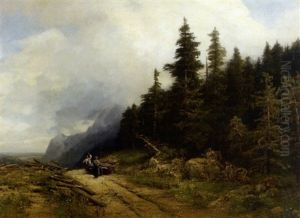
The Artistic Evolution: Exploring the Transformation of Landscape in Art History
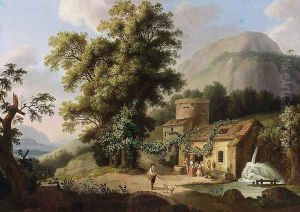
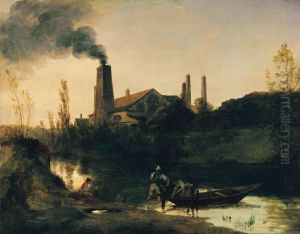
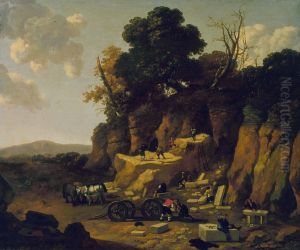
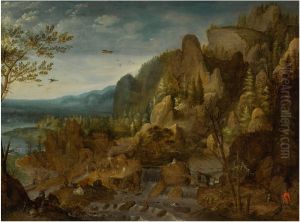
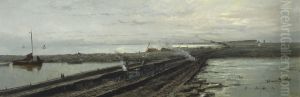
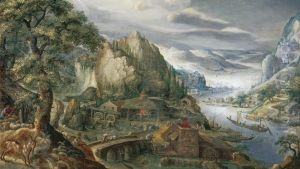
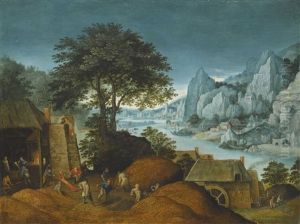
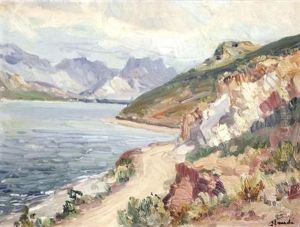
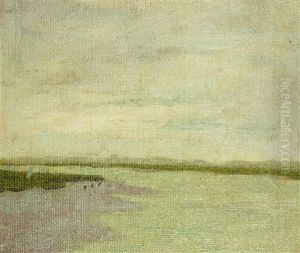
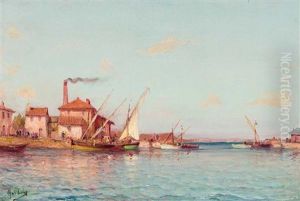
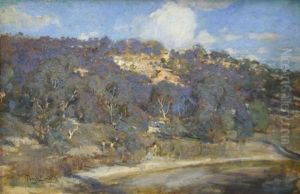
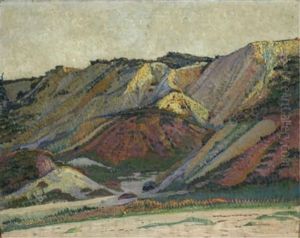
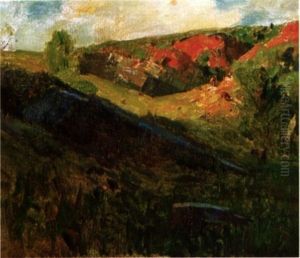
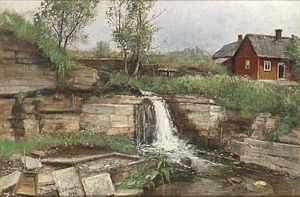
Journey through centuries of artistic innovation as we explore the profound Transformation of Landscape in painting. Once merely a backdrop for historical or religious narratives, the depiction of nature gradually ascended to become a celebrated subject in its own right, reflecting humanity's evolving relationship with the natural world. From the detailed vistas of the Northern Renaissance to the dramatic skies of the Romantic era and the vibrant brushstrokes of Impressionism, the genre has undergone a remarkable metamorphosis, offering endless visual and emotional depth.
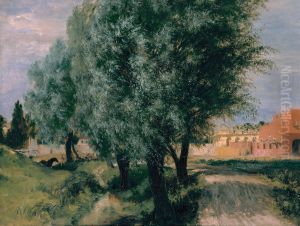
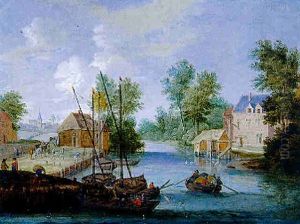
The early seeds of this transformation can be seen in the meticulous works of Dutch Golden Age masters like Jacob van Ruisdael and Meindert Hobbema, who elevated realistic rural scenes to new heights. Simultaneously, artists such as Claude Lorrain and Nicolas Poussin in the Baroque period perfected the idealized, classical landscape, often imbued with a sense of poetic grandeur and mythological undertones. These foundational approaches laid the groundwork for future generations to expand upon, pushing the boundaries of how nature could be perceived and rendered on canvas.
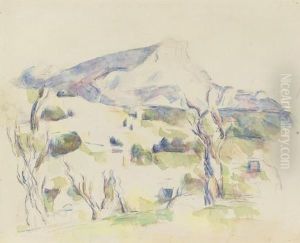
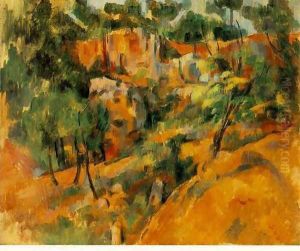
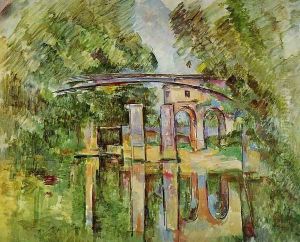
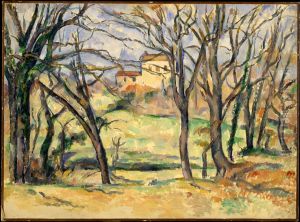
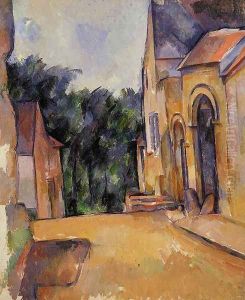
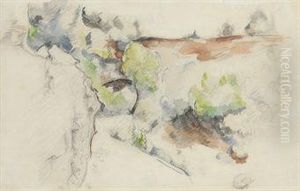
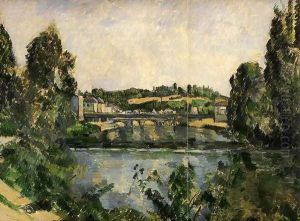
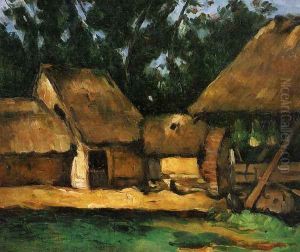
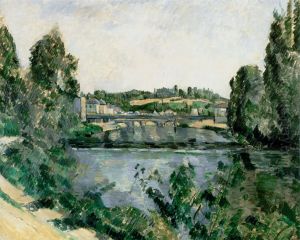
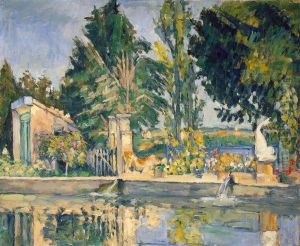
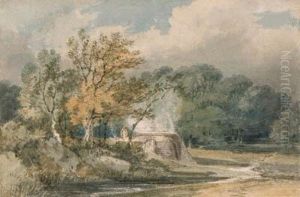
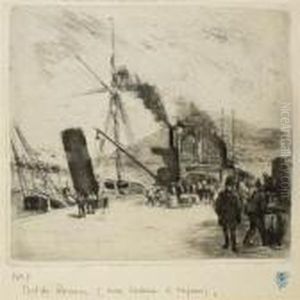
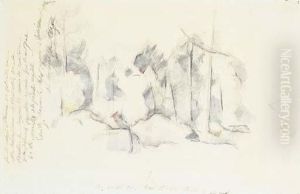
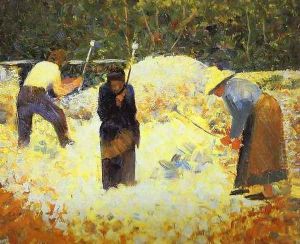
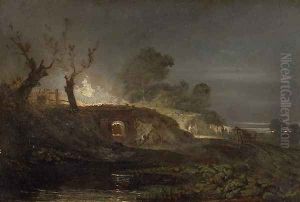
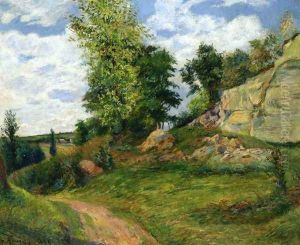
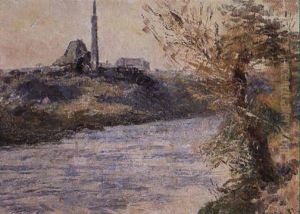
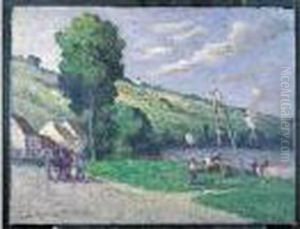
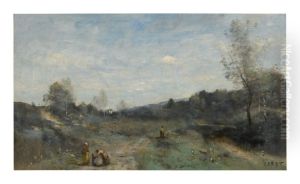
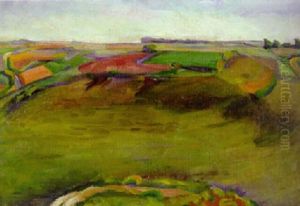
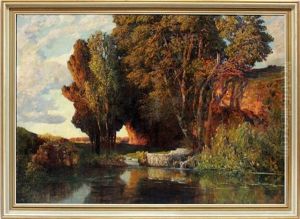
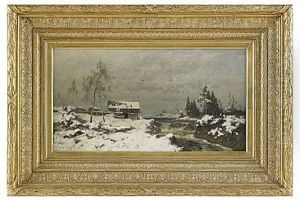
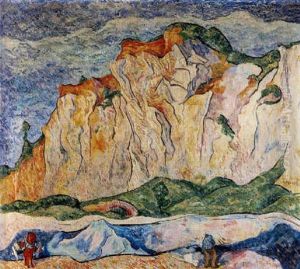
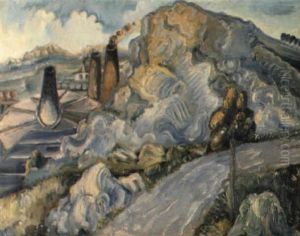
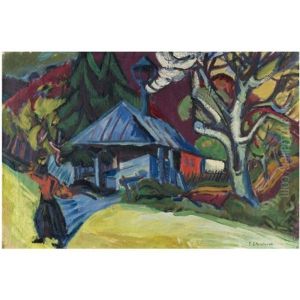
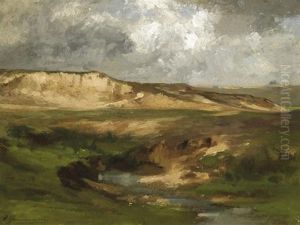
The 19th century marked a pivotal phase in the Transformation of Landscape. Romantic painters like J.M.W. Turner and John Constable captured the sublime power and emotional resonance of nature, moving beyond mere representation to convey feeling and atmosphere. Across the Atlantic, the Hudson River School, with artists like Albert Bierstadt and Frederic Edwin Church, celebrated the vast, untamed American wilderness with breathtaking detail. Later, the Impressionists, including Claude Monet and Camille Pissarro, revolutionized landscape painting by focusing on light, color, and transient moments, often painting "en plein air" to capture immediate sensory experiences. Post-Impressionists like Vincent van Gogh and Paul Cézanne further deconstructed and reinterpreted natural forms, imbuing them with intense personal expression or structural analysis.
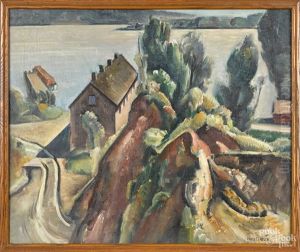
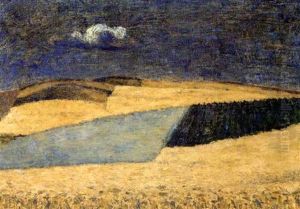
Today, the legacy of this artistic evolution continues to inspire. The journey from symbolic representation to emotional expression, and from objective observation to abstract interpretation, showcases the incredible versatility and enduring appeal of landscape art. Each period and movement offers a unique lens through which to view our world, making these classic landscape paintings not just beautiful images, but windows into historical and cultural shifts. Discover the rich tapestry of nature's portrayal through our curated collection, celebrating the masterpieces that define this captivating genre.
Copyright 2010 - 2025 by NiceArtGallery.com All rights reserved. - Your Paintings of Choice


