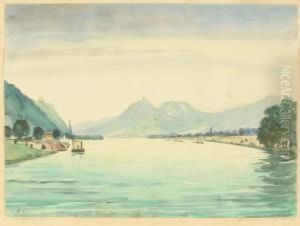
Ernst Meurer was a German painter, born in 1868, whose artistic journey and contributions spanned across the turn of the 20th century, a period marked by significant transformations in the art world. His works, though not widely recognized in the mainstream art history narrative, offer a unique glimpse into the stylistic transitions and cultural shifts of his time. Meurer's life and career were emblematic of many artists of his generation, navigating the evolving landscapes of artistic expression during a period of rapid modernization and change.
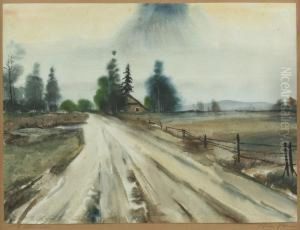
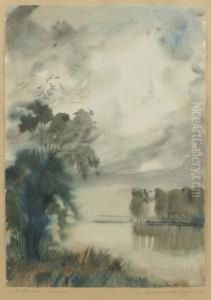
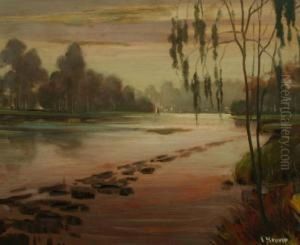
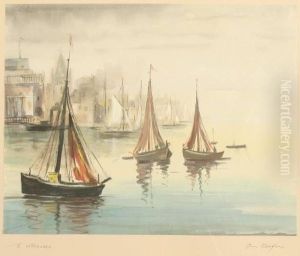
Educated in the traditions of the 19th-century European art scene, Meurer was deeply influenced by the movements of his time, including Impressionism and Post-Impressionism, which sought to break away from the strictures of academic painting. Despite these influences, Meurer developed a distinctive style that balanced between the representational and the emerging modernist tendencies, reflecting the tensions and innovations of the era. His works often depicted landscapes, urban scenes, and still lifes, characterized by a nuanced use of color and light, capturing the fleeting moments of everyday life with a sensitivity and depth that spoke to the underlying complexities of the modern experience.
Throughout his career, Meurer remained somewhat peripheral to the major artistic movements and circles that dominated the European art scene. Instead, he focused on honing his craft, contributing to the rich tapestry of early 20th-century art through his dedication to exploring the subtleties of visual perception and expression. His paintings, though not as widely celebrated or studied as those of his contemporaries, are valued for their quiet beauty and the insight they offer into the transitional period of art history they inhabit.
Ernst Meurer's death in 1949 marked the end of a career that had spanned over six decades, a period of profound change in the art world. While he may not have achieved the fame of some of his peers, his work remains a testament to the diverse and dynamic currents of early 20th-century European art. Today, Meurer's paintings can be found in various collections and museums, appreciated by those who seek to understand the breadth and depth of this pivotal era in art history.