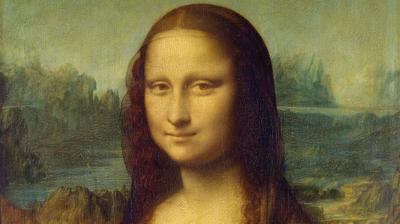
In the late 15th century, Leonardo da Vinci captured a fleeting moment of grace in his masterpiece, Lady with an Ermine. Painted around 1490, this portrait brings to life Cecilia Gallerani, a woman of remarkable poise and intellect. She turns her head with a gentle curiosity, looking toward an unseen light as if someone has just entered the room. In her slender arms, she cradles a white ermine. Notice the way her long, delicate fingers rest upon the animal’s thick, snowy fur. The creature mirrors her alertness, its small body tensed and its gaze fixed in the same direction, creating a silent, rhythmic bond between lady and beast. Leonardo breaks the stillness of traditional portraits, using a dynamic twist that breathes life into the frame.
A soft glow illuminates her porcelain skin against a dark, velvet background, pulling the viewer’s focus to her serene expression. Warm shadows wrap around the contours of her face, while the deep reds and blues of her dress provide a quiet richness. Every brushstroke feels intentional, from the fine texture of the ermine’s coat to the translucent veil upon her brow. This work is a profound study of the "motions of the mind," where the ermine serves as a symbol of purity and inner character. It remains a timeless glimpse into a single, elegant breath of history.
---