In the Contarelli Chapel in Rome hangs a monumental masterpiece by Caravaggio, completed in 1600: The Martyrdom of Saint Matthew. This dramatic scene captures the final, breathless moments of the apostle’s life. At the center of the chaos, the elderly saint lies fallen on the steps of an altar. Above him towers an assassin, his muscles tensed and skin flushed with lethal intent, grasping Matthew’s wrist. Between them, a young angel leans down from a soft, swirling cloud, delicately extending a palm branch—a symbol of sacrifice. Surrounding this violent core, a crowd of onlookers recoils in a symphony of terror; a young boy screams and runs into the shadows, his face a mask of pure panic.
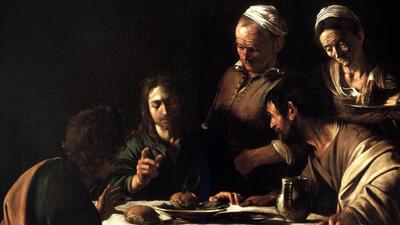
Caravaggio’s legendary use of light defines the atmosphere. A sharp, theatrical beam cuts through the oppressive darkness, illuminating the pale skin of the executioner and the vulnerable form of the saint. This heavy contrast, where deep, ink-like shadows swallow the background, creates a sense of suffocating tension. The rich textures of damp stone and heavy fabrics feel tangible, pulling the viewer into the very heart of the struggle. This work redefined religious art by blending the divine with raw, gritty realism. It transforms a sacred event into a visceral human tragedy. In this frozen moment of violence, the eternal light of grace breaks through the dark.