In 1599, the Italian master Caravaggio completed one of the most visceral works of the Baroque era: Judith Beheading Holofernes. This dramatic masterpiece captures a definitive moment of tension and courage frozen in time. As you look closer, the scene unfolds with brutal clarity. Judith, a young widow, leans away with a look of focused resolve and slight disgust, her hands gripping a heavy sword. Her blade slices through the neck of the Assyrian general, Holofernes, whose muscular body contorts in a final, futile struggle. Beside them, an elderly servant watches with wide, weathered eyes, her face etched with grim anticipation as she holds a cloth to collect the prize.
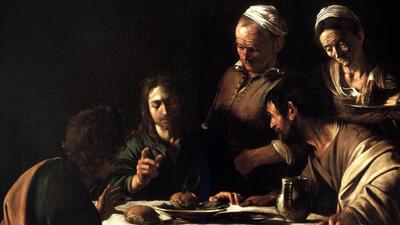
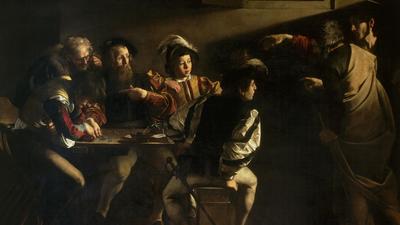
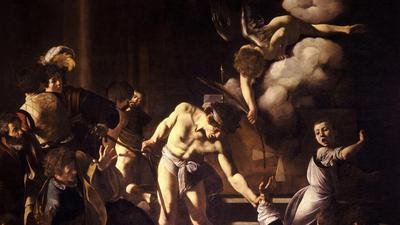
Caravaggio’s genius lies in his use of piercing light. A sharp, theatrical glow strikes the figures against a void of deep, impenetrable shadows, a technique that pulls every detail into sharp relief. The rich, crimson blood sprays across the crisp white of Judith’s sleeve and the velvet textures of the red curtain hanging above. There is no soft transition here; the contrast is stark, creating a suffocating, silent atmosphere that feels both intimate and terrifying. Beyond the violence, the painting explores the fragile line between vulnerability and strength. It captures the psychological weight of a hero’s burden amidst a landscape of darkness. It is a haunting study of human will, rendered in light and shadow.